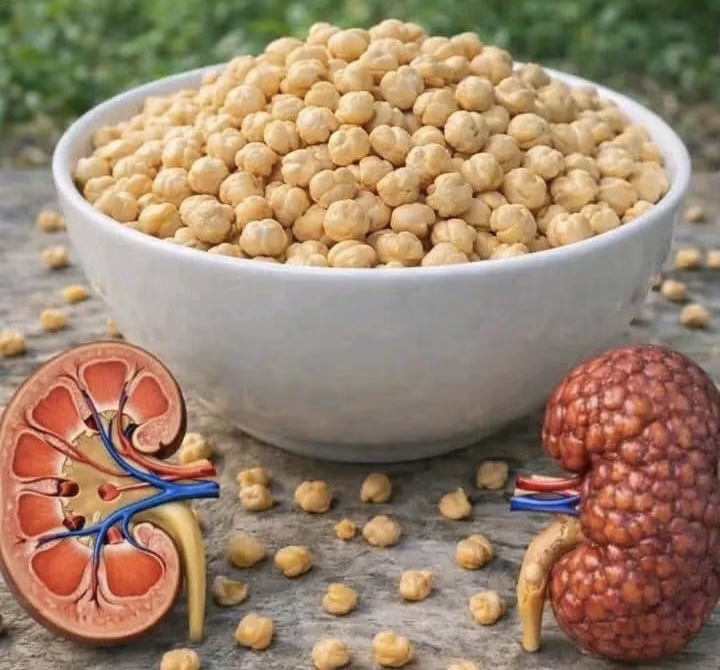
Chickpeas are one of those humble foods that deserve more attention. They’re inexpensive, filling, easy to cook, and packed with plant-based protein, fiber, vitamins, and minerals.
But there’s an important correction to make before getting into the recipe: chickpeas cannot cure a “dead” or failed kidney, and no protein can make a nonfunctioning kidney suddenly work again.
What chickpeas can be is a nutritious plant protein for many people. For someone living with kidney disease, however, the right amount depends on kidney function, blood potassium and phosphorus levels, medications, dialysis status, and the eating plan recommended by their healthcare team.
So rather than promising a miracle, here’s a delicious and practical way to enjoy chickpeas.
Why Chickpeas Are So Popular
Chickpeas, also called garbanzo beans, have been eaten for thousands of years.
They work beautifully in soups, salads, curries, hummus, stews, and roasted snacks.
One of their biggest advantages is the combination of plant protein and dietary fiber.
That combination makes chickpeas satisfying, which is why a relatively small serving can make a meal feel much more substantial.
They also pair easily with vegetables, herbs, olive oil, garlic, and lemon.
Are Chickpeas Good for the Kidneys?
There isn’t one universal “kidney diet.”
For a healthy person, chickpeas can certainly be part of a balanced eating pattern.
For someone with chronic kidney disease (CKD), things become more individualized.
Protein needs may change as kidney disease progresses. People who are not receiving dialysis may sometimes be advised to moderate protein intake, whereas people receiving dialysis can have different protein requirements.
Chickpeas also contain potassium and phosphorus, two minerals that some people with kidney disease need to monitor.
That doesn’t automatically mean chickpeas are forbidden.
It means portion size and the rest of the day’s diet matter.
If you have diagnosed kidney disease, especially advanced CKD or you are receiving dialysis, follow the individualized advice of your nephrologist or renal dietitian rather than adding large amounts of a food because it has been advertised as a “kidney cure.”
Easy Lemon Herb Chickpeas
This simple recipe makes chickpeas flavorful without turning them into a heavily processed, salty meal.
Ingredients
- 2 cups cooked chickpeas
- 1 tablespoon extra-virgin olive oil
- 1 tablespoon fresh lemon juice
- 2 tablespoons chopped fresh parsley
- 1 small garlic clove, finely minced
- ½ teaspoon ground cumin
- ¼ teaspoon black pepper
- Pinch of salt, optional
- ½ cup diced cucumber, optional
- ½ cup chopped red bell pepper, optional
If you’re following a sodium restriction, you can leave out the added salt completely.
Lemon, cumin, parsley, and garlic provide plenty of flavor on their own.
How to Prepare Them
If you’re using canned chickpeas, pour them into a colander.
Drain and rinse them thoroughly under running water.
Let them drain for a minute or two.
Transfer the chickpeas to a bowl and add the olive oil, lemon juice, parsley, garlic, cumin, and black pepper.
Add cucumber and bell pepper if desired.
Toss everything together until the chickpeas are evenly coated.
Taste before adding salt.
Allow the mixture to sit for about 10 minutes before serving. This gives the chickpeas time to absorb some of the lemon, garlic, and herb flavors.
That’s it.
No complicated powders and definitely no claims that dinner is going to grow you a new kidney. 😄
Crispy Roasted Chickpea Version
Prefer something crunchy?
Preheat your oven to 400°F (200°C).
Drain and rinse the chickpeas.
Dry them very thoroughly with a clean kitchen towel. Removing surface moisture helps them crisp instead of steam.
Place them on a baking sheet.
Add approximately 1 tablespoon of olive oil and season with:
- Cumin
- Paprika
- Garlic powder
- Black pepper
Toss well.
Roast for approximately 25–35 minutes, shaking the pan occasionally.
Cooking time varies depending on the oven and how dry the chickpeas were initially.
Serve them warm when they’re at their crispiest.
Cooking Dried Chickpeas
Dried chickpeas are inexpensive and convenient when you’re cooking larger batches.
Place the dried chickpeas in a large bowl and cover them generously with water.
Leave them to soak overnight.
Drain and rinse.
Transfer them to a large pot and cover with fresh water.
Bring to a boil, then reduce to a gentle simmer.
Cook until tender, generally around 60–90 minutes, although older chickpeas can take longer.
Drain once tender.
You can then use them in salads, soups, hummus, or the lemon-herb recipe above.
What About Canned Chickpeas?
Canned chickpeas are perfectly convenient.
The main thing worth checking is sodium.
Some canned varieties contain considerably more added salt than others.
Look for products labeled “no salt added” or “low sodium” when appropriate for your diet.
Draining and rinsing regular canned beans is also a simple way to reduce some of their sodium.
A Simple Chickpea Salad
Here’s another quick lunch idea.
Combine:
- 1 cup cooked chickpeas
- Chopped cucumber
- Chopped lettuce
- Fresh parsley
- Chopped bell pepper
- 1 tablespoon olive oil
- Fresh lemon juice
- Black pepper
Mix everything in a large bowl.
For someone without dietary restrictions, you could also add tomatoes, avocado, feta, nuts, or seeds.
For people following a kidney-specific diet, however, some of those additions may need to be adjusted depending on potassium, phosphorus, sodium, and protein targets.
That’s why individualized recommendations matter.
Chickpeas as a Plant Protein
Chickpeas aren’t an unusually concentrated protein supplement.
They’re a whole food containing a combination of protein and carbohydrate, along with fiber and micronutrients.
That’s actually part of their appeal.
You can use them to replace some meat in meals.
Try adding chickpeas to vegetable soup instead of meat, tossing them into salads, or blending them into hummus.
You can also combine chickpeas with grains and vegetables for a satisfying plant-based meal.
What Protein Actually Does
Protein is essential.
Your body uses amino acids from dietary protein to build and maintain tissues and produce enzymes, hormones, and many other important compounds.
But protein isn’t medicine capable of reviving an organ that has stopped functioning.
With chronic kidney disease, the kidneys progressively lose their ability to perform essential functions. Treatment depends on the cause and severity of the condition.
Advanced kidney failure may require dialysis or a kidney transplant.
That’s very different from something that can be reversed immediately by eating chickpeas.
Don’t Forget Sodium
For kidney and cardiovascular health, sodium can be an important consideration.
A common mistake is taking a healthy ingredient like chickpeas and covering it in large amounts of salty seasoning or bottled sauce.
Instead, build flavor using ingredients such as:
- Lemon juice
- Garlic
- Parsley
- Cumin
- Paprika
- Black pepper
- Fresh herbs
- Olive oil
Food doesn’t need to taste boring simply because the salt shaker isn’t doing all the work.
Portion Size Matters
More isn’t automatically better.
For a general meal, ½ to 1 cup of cooked chickpeas can be a practical serving depending on the person and what else is being served.
Someone with kidney disease may need a different amount.
That’s particularly important when potassium, phosphorus, protein, or fluid intake needs to be controlled.
Don’t dramatically increase your chickpea or other legume intake solely because you’ve seen a social-media post claiming that a specific protein “repairs” kidneys.
Frequently Asked Questions
Can chickpeas repair damaged kidneys?
Chickpeas are nutritious, but they aren’t a treatment that repairs kidney damage.
Can people with kidney disease eat chickpeas?
Sometimes, yes.
The appropriate amount depends on the person’s stage of kidney disease, laboratory results, medications, dialysis status, and overall diet.
Are chickpeas high in protein?
They are a useful source of plant protein, but they’re also a source of carbohydrates, fiber, potassium, phosphorus, and other nutrients.
Should I choose canned or dried chickpeas?
Either can work.
Dried chickpeas give you greater control over added salt. For canned chickpeas, look for lower-sodium varieties and drain and rinse them.
Can I eat chickpeas every day?
For many healthy people, legumes can regularly be part of a balanced diet.
Someone with kidney disease should follow their individualized nutrition plan rather than assuming that eating more is automatically beneficial.
Final Thoughts
Chickpeas don’t need miracle claims to be worth eating.
They’re affordable, versatile, filling, and provide valuable plant protein and fiber. Turn them into hummus, toss them into salads, roast them until crispy, or make the simple lemon-herb version above.
For healthy kidneys, they’re simply another nutritious whole food.
For diagnosed kidney disease, treat them as part of an individualized diet—not as medicine.
And if a post promises that one bowl of protein will make a failed kidney “work instantly,” that’s one claim worth leaving on the internet rather than putting on the dinner menu.