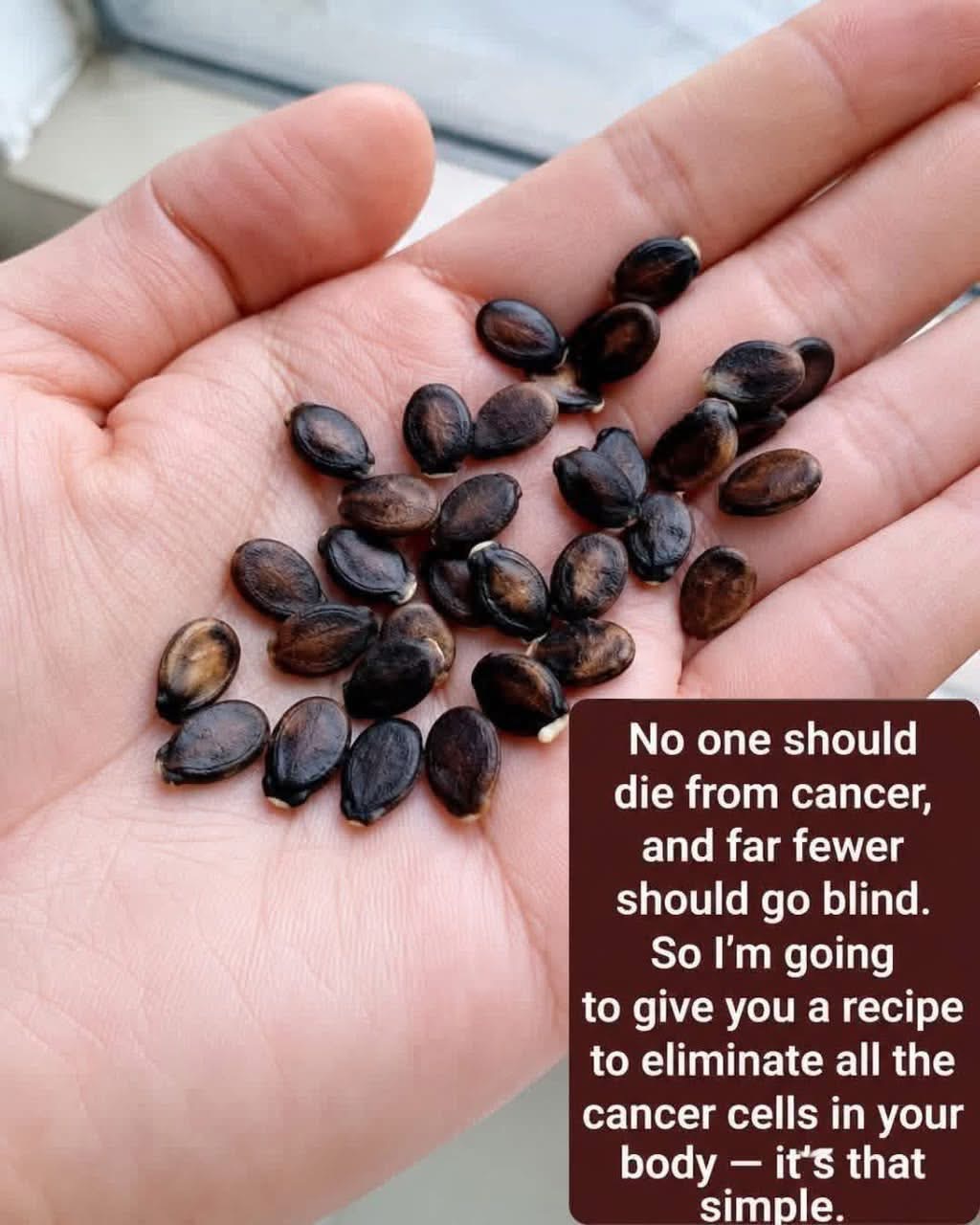
Watermelon is one of summer’s favorite fruits, but after enjoying the sweet, juicy flesh, most people toss the seeds into the trash without a second thought. In many cultures, however, watermelon seeds have long been roasted as a snack or used to prepare a mild herbal tea that has become popular in traditional wellness practices.
Social media often claims that watermelon seeds can eliminate cancer cells, restore eyesight, or cure serious diseases. These dramatic promises are not supported by scientific evidence. While watermelon seeds contain valuable nutrients and can be part of a healthy diet, they are not a cure for cancer or a replacement for medical treatment.
The real beauty of watermelon seeds lies in their nutritional value and versatility. Whether roasted, blended into smoothies, or brewed into a gentle tea, they offer a simple way to reduce food waste while enjoying another part of this refreshing fruit.
What Are Watermelon Seeds?
Watermelon seeds are the edible seeds found inside ripe watermelons.
Depending on the variety, they may be black, brown, white, or tan.
The mature black seeds shown in the image are the type most commonly roasted or saved for planting.
After cleaning and drying, these seeds can be roasted for a crunchy snack or lightly crushed and simmered to make a mild herbal infusion.
Unlike many people believe, swallowing a watermelon seed does not cause a watermelon to grow in your stomach. That childhood myth has entertained generations, but thankfully your digestive system has other plans.
Are Watermelon Seeds Nutritious?
Yes.
Watermelon seeds naturally contain a variety of nutrients, including:
- Plant protein
- Healthy unsaturated fats
- Magnesium
- Iron
- Zinc
- Copper
- Phosphorus
- Small amounts of potassium
- Natural antioxidants
When eaten roasted, they provide more nutrition than when they are swallowed whole because chewing helps release the nutrients.
As with most seeds and nuts, moderation is important because they are also relatively calorie-dense.
Can Watermelon Seeds Cure Cancer?
No.
There is no scientific evidence that watermelon seeds can eliminate cancer cells or cure cancer.
Cancer is a complex group of diseases that requires professional diagnosis and treatment.
Healthy eating supports the body during and after treatment, but no single food, tea, or seed has been proven to replace surgery, chemotherapy, radiation therapy, immunotherapy, or other medical treatments.
Instead of viewing watermelon seeds as a miracle remedy, think of them as another nutritious food that can contribute to a varied diet.
Can They Improve Eye Health?
Watermelon seeds do not restore vision or prevent blindness.
Good eye health depends on many factors, including:
- A balanced diet
- Blood sugar control
- Blood pressure management
- Protection from excessive UV exposure
- Regular eye examinations
- Managing chronic medical conditions
Eating nutrient-rich foods may support overall health, but no homemade tea can reverse cataracts, glaucoma, or age-related vision loss.
Homemade Watermelon Seed Tea
This traditional tea has a mild, nutty flavor and is surprisingly simple to prepare.
Preparation Time
10 minutes
Cooking Time
15 minutes
Servings
4 cups
Ingredients
- 2 tablespoons dried watermelon seeds
- 4 cups water
- 1 small cinnamon stick (optional)
- 2 thin slices fresh ginger (optional)
- 1 teaspoon fresh lemon juice (optional)
- 1 teaspoon honey (optional)
Instructions
Wash the watermelon seeds thoroughly if they were freshly removed from the fruit.
Allow them to dry completely.
Lightly crush the dried seeds using a mortar and pestle or the back of a heavy spoon.
Crushing helps release more flavor during brewing.
Bring the water to a gentle boil.
Add the crushed watermelon seeds.
Reduce the heat and simmer for approximately 15 minutes.
Remove from the heat.
Cover the pot and allow the tea to steep for another 10 minutes.
Strain into cups.
Add honey or lemon if desired.
Serve warm.
Roasted Watermelon Seeds
Another delicious option is roasting the seeds.
Ingredients
- 1 cup clean, dried watermelon seeds
- 1 teaspoon olive oil
- Pinch of sea salt
- Optional smoked paprika or garlic powder
Instructions
Preheat the oven to 325°F (160°C).
Toss the seeds with the olive oil and seasoning.
Spread them in a single layer on a baking tray.
Roast for about 15 to 20 minutes, stirring once halfway through cooking.
Allow them to cool before storing.
The roasted seeds become pleasantly crunchy and make a nutritious snack.
Possible Benefits
When enjoyed as part of a balanced diet, watermelon seeds may:
- Provide plant protein
- Supply magnesium for normal muscle and nerve function
- Contribute iron to the diet
- Add healthy fats
- Help reduce food waste
- Provide satisfying crunch as a snack
These benefits come from their nutritional content rather than any miraculous healing properties.
Helpful Serving Ideas
Watermelon seeds can be used in many creative ways.
Try adding them to:
- Homemade granola
- Yogurt
- Oatmeal
- Smoothies
- Trail mix
- Fresh salads
- Homemade bread
- Rice dishes
Ground roasted seeds may also be sprinkled over soups for added texture.
Storage Instructions
Store dried seeds in an airtight glass jar.
Keep them in a cool, dry location away from direct sunlight.
Properly dried seeds generally keep for several months.
Roasted seeds remain freshest when stored in an airtight container and eaten within one month.
Prepared tea should be refrigerated immediately after cooling.
Consume within 24 to 48 hours.
Discard the tea if it develops:
- Mold
- Sour smell
- Cloudiness
- Gas bubbles
- Unusual taste
Common Mistakes
Avoid using moldy or damaged seeds.
Do not store freshly washed seeds before they are completely dry.
Moisture encourages spoilage.
Do not over-roast the seeds.
Burnt seeds develop a bitter taste.
If preparing tea, lightly crushing the seeds improves flavor extraction.
Safety Precautions
Watermelon seeds are generally safe for most healthy adults when eaten as food.
However, keep these points in mind:
- People with seed allergies should avoid them.
- Because seeds are calorie-dense, enjoy them in moderation.
- Individuals with kidney disease or special dietary restrictions should discuss significant dietary changes with their healthcare provider.
- Small children should be supervised when eating whole roasted seeds to reduce choking risk.
Homemade tea should never replace prescribed medication or professional medical care.
Frequently Asked Questions
Can I eat watermelon seeds raw?
Yes.
However, roasted seeds are generally easier to chew and have a richer flavor.
Do I need to remove the black shell?
No.
The shell is edible, although some people prefer shelled seeds for a softer texture.
Can I make tea with fresh seeds?
Yes.
Simply wash and dry them before lightly crushing and simmering.
Can watermelon seed tea cure cancer?
No.
There is no evidence that watermelon seed tea cures cancer or replaces medical treatment.
Can children drink the tea?
A small amount is generally fine for older children, but plain water and balanced nutrition remain the best everyday choices.
Can I freeze the tea?
Yes.
Freeze in small portions and thaw in the refrigerator before drinking.
Final Thoughts
Watermelon seeds are often overlooked, yet they can become a surprisingly useful ingredient in the kitchen. Whether roasted into a crunchy snack or brewed into a mild herbal tea, they offer protein, healthy fats, and several important minerals while helping reduce food waste.
Rather than believing exaggerated online claims, appreciate watermelon seeds for what they truly are—a nutritious part of a healthy diet. Combined with balanced meals, regular physical activity, and proper medical care, simple foods like these can play a meaningful role in everyday wellness without needing miracle promises.