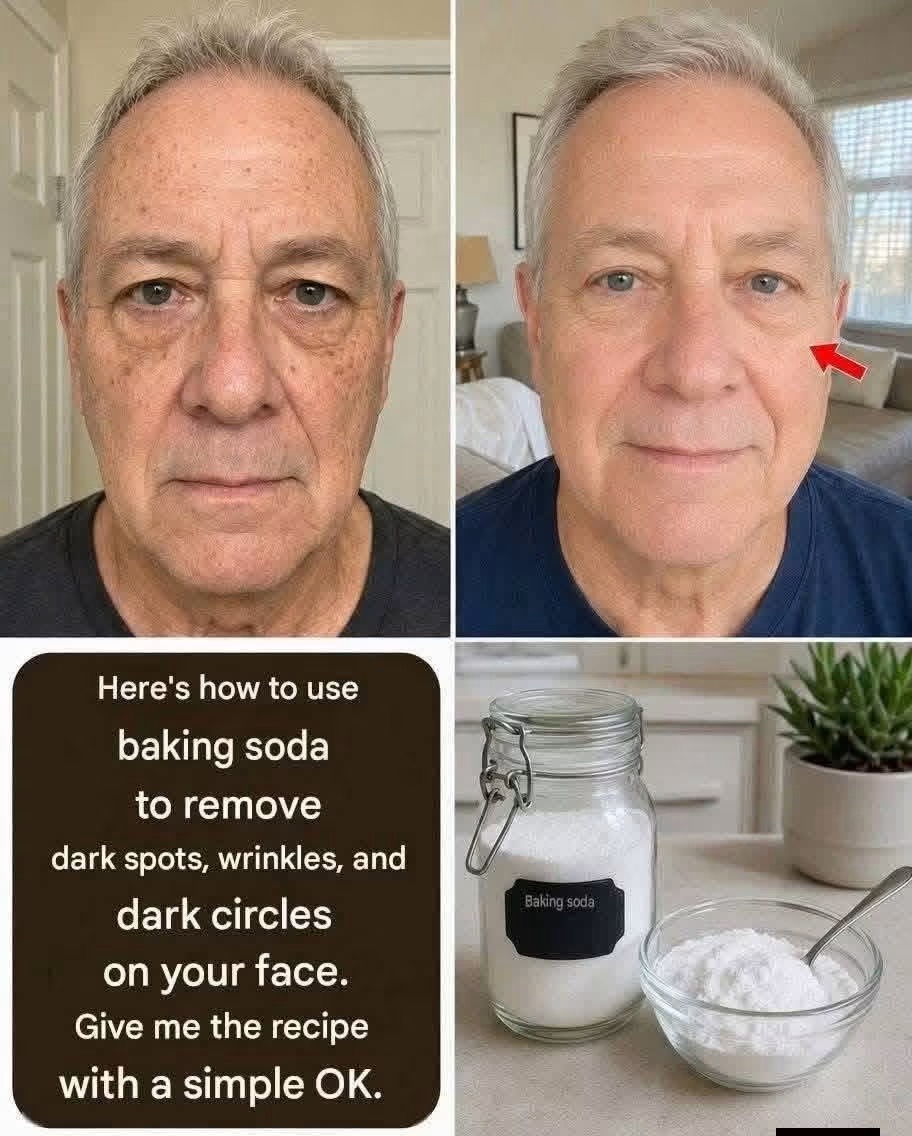
Baking Soda for Skin: What It Can (and Can’t) Do + Safer DIY Skincare Alternatives
Social media is full of posts claiming that baking soda can erase wrinkles, remove dark spots, and eliminate dark circles overnight. While these claims are attention-grabbing, they are not supported by scientific evidence. In fact, using baking soda directly on your face too often may do more harm than good because of its highly alkaline nature.
That doesn’t mean baking soda has no place in the home—it has many practical household uses—but when it comes to skincare, it’s important to understand its limitations and choose gentler, skin-friendly ingredients instead.
In this article, you’ll learn why baking soda isn’t recommended as a facial treatment, discover safer homemade skincare ideas, and find practical tips for keeping your skin healthy and glowing naturally.
Why Baking Soda Became a Popular Beauty Trend
Baking soda, also known as sodium bicarbonate, has long been used for baking, cleaning, and deodorizing.
Because it’s inexpensive and found in nearly every kitchen, many DIY beauty recipes began recommending it for facial care.
Some people believed it could:
- Exfoliate dead skin cells
- Brighten dull skin
- Reduce oil
- Help improve the appearance of pores
However, popularity on social media doesn’t always equal safety.
Is Baking Soda Safe for Your Face?
Dermatologists generally do not recommend using baking soda as a regular facial treatment.
Healthy skin has a naturally slightly acidic pH, which helps maintain the skin barrier and supports beneficial microorganisms.
Baking soda is highly alkaline.
Frequent use may:
- Disrupt the skin’s natural barrier
- Cause dryness
- Lead to irritation
- Increase redness
- Make sensitive skin more uncomfortable
For these reasons, gentler exfoliating products formulated for facial skin are usually a better choice.
Can Baking Soda Remove Wrinkles?
No.
There is no scientific evidence showing that baking soda removes wrinkles or reverses skin aging.
Wrinkles naturally develop over time because of factors such as:
- Sun exposure
- Aging
- Genetics
- Smoking
- Loss of collagen
- Repeated facial expressions
A healthy skincare routine that includes sunscreen, moisturizer, and proven ingredients like retinoids or vitamin C is much more effective for supporting healthy-looking skin.
Can It Fade Dark Spots?
Not reliably.
Dark spots often result from sun exposure, acne, or natural aging.
While exfoliation may temporarily make skin appear brighter, baking soda does not target the underlying causes of hyperpigmentation.
For persistent dark spots, ingredients such as niacinamide, vitamin C, azelaic acid, or dermatologist-recommended products are generally safer and more effective.
Does It Help Dark Circles?
Dark circles can have many causes, including:
- Lack of sleep
- Genetics
- Allergies
- Aging
- Thin skin
- Blood vessel visibility
Baking soda does not treat these underlying factors.
Instead, staying hydrated, getting enough sleep, protecting your skin from the sun, and using products formulated for the eye area are better approaches.
A Gentle DIY Face Mask Alternative
If you enjoy making simple skincare recipes at home, try a soothing mask made with skin-friendly ingredients instead.
Ingredients
- 2 tablespoons plain yogurt
- 1 teaspoon honey
- 1 teaspoon finely ground oats
Instructions
Mix the ingredients into a smooth paste.
Apply a thin layer to clean skin, avoiding the eyes.
Leave on for 10–15 minutes.
Rinse gently with lukewarm water and pat dry.
Always perform a patch test before trying any new skincare product or DIY recipe.
Daily Habits for Healthier-Looking Skin
Small daily habits often have a greater impact on your skin than trendy DIY treatments.
These include:
- Wearing broad-spectrum sunscreen every day
- Cleansing gently without over-scrubbing
- Moisturizing regularly
- Eating a balanced diet rich in fruits and vegetables
- Drinking enough water
- Sleeping well
- Avoiding smoking
When to See a Dermatologist
If you’re concerned about:
- Persistent dark spots
- Deep wrinkles
- Ongoing irritation
- Sudden skin changes
- Severe acne
- Skin growths or unusual moles
it’s best to consult a dermatologist for personalized advice and treatment options.
Frequently Asked Questions
Can I use baking soda once?
An occasional, very limited use may not cause problems for everyone, but because it can irritate the skin, most dermatologists recommend avoiding it as a facial treatment.
Is baking soda good for oily skin?
Although it may temporarily reduce oil, it can also strip the skin’s natural protective barrier, which may lead to irritation or even increased oil production over time.
What ingredients are better for glowing skin?
Gentle ingredients such as aloe vera, oatmeal, yogurt, honey, niacinamide, hyaluronic acid, and vitamin C are generally more suitable for supporting healthy-looking skin.
Final Thoughts
Baking soda may be a useful ingredient in the kitchen and around the home, but it is not a proven solution for wrinkles, dark spots, or dark circles. Protecting your skin from the sun, following a gentle skincare routine, and using evidence-based products are more effective ways to maintain healthy, radiant skin.
If you enjoy DIY skincare, choose recipes made with gentle, skin-friendly ingredients, and always listen to your skin. Healthy skincare is about consistency, not miracle cures.