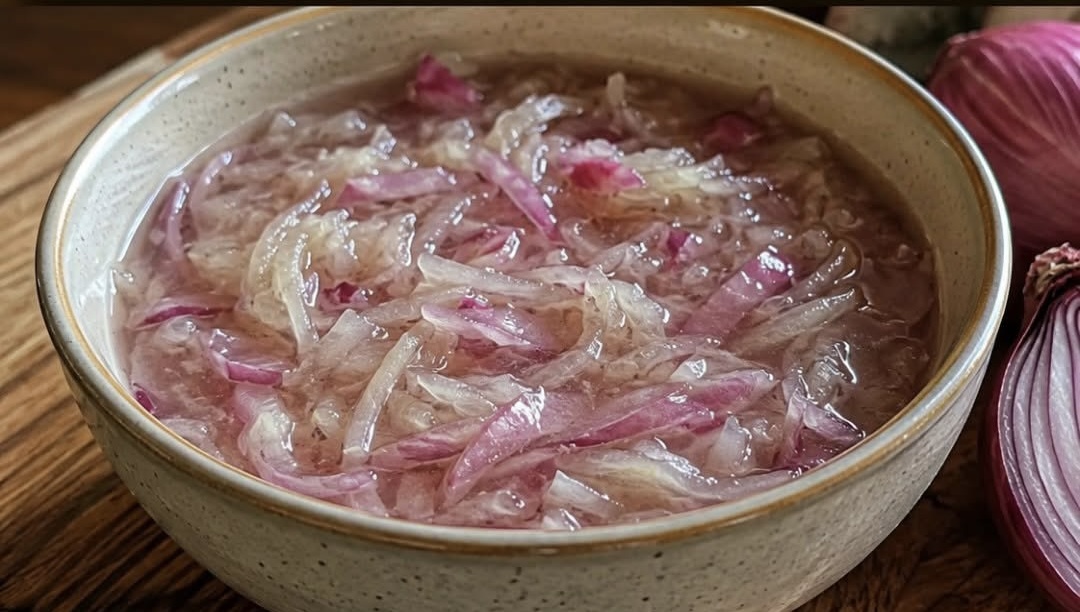
Raw onion has a sharp flavor, a crisp bite, and enough personality to wake up almost any salad, sandwich, or savory bowl.
Red onions in particular are popular because they add color as well as flavor. They contain vitamin C and naturally occurring plant compounds such as flavonoids, including quercetin.
That makes onions a useful ingredient in a balanced diet.
What they cannot do is clear cataracts in 36 hours or replace professional eye treatment. Cataracts happen when the normally clear lens inside the eye becomes cloudy, and an onion recipe cannot remove that cloudiness.
The good news is that onions can still be enjoyed in plenty of delicious ways while you build an eating pattern that supports general eye health.
What Is a Cataract?
A cataract is a cloudy area that develops in the natural lens of the eye.
The lens normally helps focus light so that images appear clear.
As a cataract develops, vision may gradually become:
- Blurry
- Hazy
- Less colorful
- More sensitive to glare
- Difficult at night
Some people also notice halos around lights or find that their glasses prescription changes more frequently.
Cataracts become more common with age, although they can occur for other reasons too.
Early cataracts may sometimes be managed for a while with brighter lighting, updated glasses, magnification, or anti-glare sunglasses.
When the cataract interferes significantly with everyday activities, cataract surgery is the treatment that removes the cloudy lens and replaces it with an artificial one.
Where Onions Fit Into a Healthy Diet
Onions belong to the allium family, along with garlic, shallots, leeks, and chives.
They are inexpensive, widely available, and easy to add to everyday meals.
Raw onions provide strong flavor without requiring heavy sauces or large amounts of salt.
They can be added to:
- Salads
- Sandwiches
- Tacos
- Grain bowls
- Bean dishes
- Homemade salsa
- Egg dishes
- Roasted vegetables
Their nutritional value is one reason they deserve a regular place in the kitchen.
They just do not need an exaggerated medical promise to make them worthwhile.
Why Red Onions Are Especially Interesting
Red onions get their purple-red color from plant pigments called anthocyanins.
They also contain flavonoids, including quercetin.
These types of compounds are widely studied because of their antioxidant activity.
Antioxidants help protect cells from oxidative stress.
That does not mean eating raw onions acts directly on the lens of the eye or dissolves a cataract.
The more useful approach is to eat a varied diet containing many colorful fruits and vegetables rather than relying on one particular vegetable as medicine.
Simple Marinated Red Onions
Instead of soaking onions in water for an eye remedy, turn them into something delicious for lunch or dinner.
This easy marinated onion recipe softens their harsh bite while keeping plenty of crunch.
Preparation time: 10 minutes
Resting time: 20–30 minutes
Yield: About 1½ cups
Ingredients
- 1 medium red onion
- ¼ cup fresh lemon juice
- 2 tablespoons apple cider vinegar
- 2 tablespoons water
- 1 teaspoon extra-virgin olive oil
- ½ teaspoon honey, optional
- ¼ teaspoon salt
- ¼ teaspoon black pepper
- 1 tablespoon chopped fresh parsley
- ½ teaspoon dried oregano, optional
How to Make Them
Peel the onion.
Slice it as thinly as possible.
Place the slices in a clean bowl.
Add the lemon juice, vinegar, water, olive oil, salt, pepper, and optional honey.
Toss everything thoroughly.
Add the parsley and oregano.
Cover the bowl and refrigerate for at least 20 minutes.
The longer the onions sit, the milder and more flavorful they become.
Serve them over salads, beans, grilled chicken, fish, sandwiches, or roasted vegetables.
Want a Milder Onion?
Raw onion can be intense.
If you like the crunch but not the sharpness, put the sliced onion in a bowl of cold water for about 10 minutes.
Drain it thoroughly.
Then prepare the marinade normally.
This removes some of the pungency without cooking the onion.
It is especially useful if you’re serving people who usually pick every onion out of their salad with surgical precision.
Eye-Friendly Mediterranean Salad
These marinated onions work beautifully in a colorful salad.
Ingredients
- 2 cups chopped romaine or spinach
- 1 cup chopped tomato
- ½ cucumber, sliced
- ½ cup cooked chickpeas
- ¼ cup marinated red onions
- ¼ avocado, sliced
- 1 tablespoon pumpkin seeds
- 1 tablespoon olive oil
- 1 tablespoon lemon juice
- Black pepper to taste
Instructions
Place the greens in a large bowl.
Add the tomato, cucumber, chickpeas, onions, avocado, and pumpkin seeds.
Drizzle with olive oil and lemon juice.
Add black pepper.
Toss gently and serve immediately.
This kind of meal gives you several different plant foods rather than depending on one “special” ingredient.
Foods Worth Including for Eye Health
Healthy vision benefits from the same broad habits that support the rest of the body.
Dark leafy greens are especially useful additions to meals.
Try vegetables such as:
- Spinach
- Kale
- Collard greens
- Broccoli
Colorful fruits and vegetables are also worth rotating through the week.
Examples include:
- Bell peppers
- Carrots
- Sweet potatoes
- Oranges
- Berries
- Tomatoes
- Papaya
Fish containing omega-3 fats, such as salmon and tuna, can also fit into a balanced eating pattern.
Eggs, nuts, seeds, beans, and whole grains add even more nutritional variety.
There is no need to eat all of these at once.
The goal is consistency and variety over time.
What Helps Reduce Cataract Risk?
Not every cataract can be prevented.
Aging itself is a major risk factor.
Still, several healthy habits can help protect the eyes.
Wear sunglasses that block UVA and UVB radiation when outdoors.
Avoid smoking.
Manage health conditions such as diabetes and high blood pressure.
Eat a varied diet.
Stay physically active.
And keep up with eye examinations, especially as you get older.
These habits are less dramatic than a 36-hour onion treatment, but they are much more useful.
Never Put Onion Juice in Your Eyes
This is one of the most important rules with onion-based eye remedies.
Do not put:
- Onion juice
- Onion water
- Lemon juice
- Garlic juice
- Honey mixtures
- Herbal tea
- Homemade drops
directly into the eyes.
Raw onion releases irritating sulfur-containing compounds—that is why chopping onions can make your eyes burn and water.
Putting onion juice directly into the eye can cause significant irritation.
Homemade liquids are also not sterile.
The eye is delicate, and a kitchen preparation should never be treated like sterile ophthalmic medication.
Use onions in your food, not as eye drops.
When Cataracts Need Treatment
Having a cataract does not automatically mean surgery must happen immediately.
Some people live comfortably with mild cataracts for quite a while.
An eye doctor may recommend surgery when vision problems begin interfering with activities such as:
- Reading
- Driving
- Watching television
- Recognizing faces
- Working safely
- Seeing clearly at night
During cataract surgery, the cloudy natural lens is removed and replaced with a clear artificial lens.
For many people, vision improves considerably afterward.
The decision depends on symptoms and individual circumstances.
Warning Signs That Need Faster Attention
Gradual blurry vision can occur with cataracts.
Sudden changes are different.
Seek prompt medical attention if you experience:
- Sudden vision loss
- Severe eye pain
- A sudden increase in floaters
- Flashes of light
- A curtain-like shadow in your vision
- Significant eye injury
- A suddenly red and painful eye
- Rapid unexplained vision changes
These symptoms may indicate something other than a routine cataract.
Waiting for an onion preparation to work would not be appropriate.
Other Ways to Use Raw Onion
If you have extra onion after making the marinated recipe, there are plenty of easy options.
Add It to Avocado Toast
Top toasted whole-grain bread with mashed avocado, tomato, and a small amount of thinly sliced red onion.
Make Tomato Salsa
Combine chopped tomato, red onion, cilantro, lime juice, and a pinch of salt.
Add It to Beans
Mix finely chopped onion into black beans or chickpeas with lemon juice, parsley, and olive oil.
Use It in Yogurt Sauce
Finely mince a small amount of onion and combine it with plain Greek yogurt, cucumber, herbs, and lemon.
Raw onion works best as an accent.
A little goes a long way.
How to Store Marinated Onions
Place the finished onions in a clean glass jar or airtight food-safe container.
Keep them refrigerated.
For the best texture and flavor, use them within about 3–4 days.
Always use a clean fork when removing onions from the jar.
Discard them if you notice:
- Mold
- Unusual bubbling
- A strongly fermented smell
- Sliminess
- An unpleasant change in flavor
Do not keep homemade marinated onions sitting on the counter for days.
Frequently Asked Questions
Can raw onion remove cataracts?
No.
Eating onions can be part of a nutritious diet, but it cannot remove an established cataract.
Can onion juice improve vision?
There is no reliable reason to put onion juice in the eyes, and it may cause irritation.
Should I eat onion every day?
You can include onions regularly if you enjoy them and tolerate them well. There is no special daily amount required for eye health.
Are red onions healthier than white onions?
Both can be nutritious. Red onions contain colorful plant pigments, but variety matters more than choosing only one type.
Can I use white onion for the marinated recipe?
Yes.
White, yellow, or red onions can all work.
Can I make the recipe without vinegar?
Yes.
Use extra lemon juice and a little water instead.
How long do marinated onions keep?
For this quick refrigerator version, use them within about 3–4 days for the best quality.
Final Thoughts
Raw onions are crunchy, flavorful, inexpensive, and packed with naturally occurring plant compounds.
They can make salads, sandwiches, beans, and savory bowls considerably more interesting.
What they cannot do is clear cataracts in 36 hours.
Keep onions where they shine: on your plate.
Combine them with colorful vegetables, leafy greens, healthy fats, and other nutritious foods, wear good sunglasses outside, and give your eyes the regular care they deserve.
A jar of tangy marinated red onions may not replace an ophthalmologist, but it can certainly make tomorrow’s lunch a lot better.