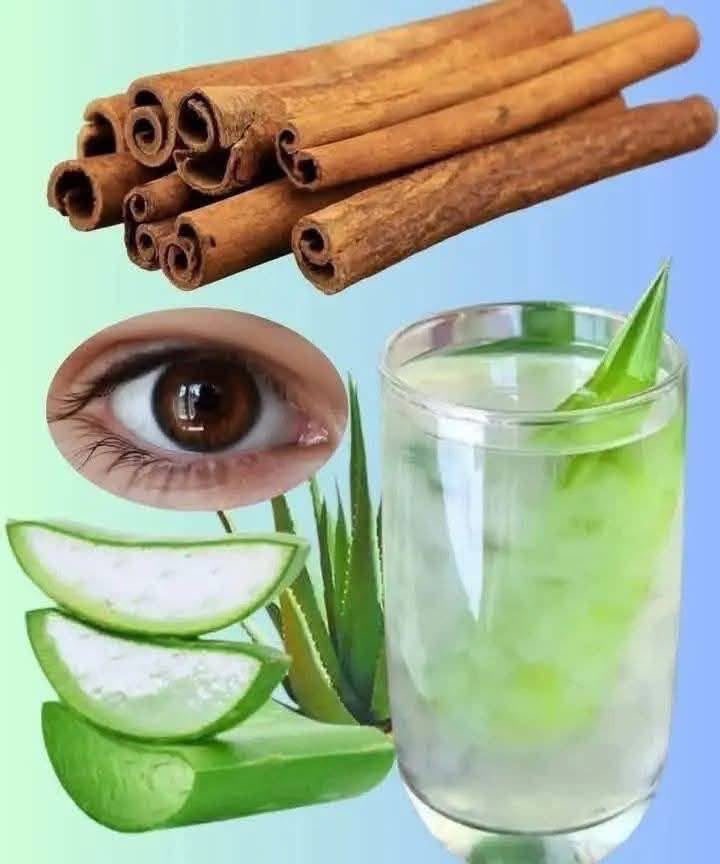
Aloe vera and cinnamon make an unusual combination that has become popular in homemade wellness drinks. Aloe brings a mild, fresh flavor, while cinnamon adds warmth and a naturally sweet aroma.
The drink is sometimes promoted for eyesight, digestion, blood sugar, and general wellness. A carefully prepared version can certainly be refreshing, but it is important to use the right kind of aloe and keep expectations realistic.
Aloe vera and cinnamon cannot remove cataracts, restore lost eyesight, or replace treatment for an eye condition. They can, however, be enjoyed in sensible culinary amounts as part of a varied diet.
What Is Aloe Vera?
Aloe vera is a succulent plant with thick green leaves filled with clear gel.
The plant has a long history of topical use, especially in products designed for minor skin irritation and dryness.
Aloe leaves contain different layers, and that distinction becomes particularly important when aloe is consumed.
The clear inner gel is different from the yellowish latex found underneath the green outer skin.
Aloe latex can cause strong abdominal cramps and diarrhea, and oral aloe leaf extracts have also been associated with liver injury.
For a homemade beverage, the safest practical option is commercially prepared, food-grade, purified aloe vera juice or inner-leaf gel rather than processing a whole backyard leaf yourself.
Why Cinnamon Works Well With Aloe
Plain aloe drinks have a very mild flavor that some people find almost too neutral.
Cinnamon changes that quickly.
A small amount gives the drink warmth and aroma without requiring a large quantity of honey or sugar.
There are two common categories of cinnamon: cassia and Ceylon.
Cassia is widely available and generally fine in normal culinary amounts. However, it can contain more coumarin, a naturally occurring compound that may become a concern with prolonged or excessive intake, particularly for people with liver disease.
Ceylon cinnamon generally contains much less coumarin, making it a useful choice when cinnamon is consumed regularly.
You certainly don’t need a tablespoon of cinnamon in a single glass. Your drink should taste gently spiced, not like someone emptied the Christmas baking cupboard into it.
Can Aloe and Cinnamon Improve Eyesight?
Food plays an important role in general health, and a balanced eating pattern helps provide nutrients needed throughout the body.
However, drinking aloe and cinnamon has not been shown to restore eyesight or reverse eye disease.
It cannot:
- Remove cataracts
- Reverse glaucoma
- Restore vision lost from retinal disease
- Correct nearsightedness or farsightedness
- Replace prescription glasses
- Replace eye medication
- Make aging eyes young again
Cataracts, for example, occur when the normally clear lens inside the eye becomes cloudy. When a cataract progresses enough to interfere with vision, surgery is the treatment that removes it.
A wellness drink can be part of breakfast.
It cannot replace an eye examination.
Never Put This Drink in Your Eyes
This recipe is for drinking only.
Never place aloe juice, cinnamon water, lemon juice, honey, herbal tea, or another homemade preparation directly into the eyes.
The eye is delicate, and homemade mixtures are not manufactured as sterile ophthalmic products.
Even eye drops that are intended for the eyes require careful formulation and handling to reduce irritation and contamination risks.
If something irritating accidentally enters the eye, rinse with clean water or saline rather than adding another home remedy.
Gentle Aloe Cinnamon Drink
This version avoids raw whole-leaf aloe and uses a commercially prepared food-grade product.
Preparation time: 5 minutes
Servings: 2
Ingredients
- 2 cups cold drinking water
- ¼ cup food-grade purified aloe vera juice
- ¼ teaspoon Ceylon cinnamon
- 1 tablespoon fresh lemon juice
- 1 to 2 teaspoons honey, optional
- 4 fresh mint leaves, optional
- Ice cubes, optional
How to Make It
Pour the cold water into a pitcher.
Add the purified aloe vera juice.
Sprinkle in the cinnamon.
Stir vigorously for about 20 seconds.
Cinnamon does not completely dissolve in water, so a little settling is completely normal.
Add the fresh lemon juice.
Taste the drink before adding honey.
If sweetness is needed, stir in one teaspoon first. Add the second only if necessary.
Add the mint leaves if using them.
Serve immediately over ice or refrigerate briefly before drinking.
Stir again before pouring because the cinnamon may settle at the bottom.
Choosing Aloe Juice Safely
Read the bottle carefully.
Look for wording such as:
- Food-grade
- Purified
- Inner-leaf aloe
- Decolorized aloe
- Intended for oral consumption
Avoid using cosmetic aloe gel.
A product designed for sunburn or skincare may contain fragrance, preservatives, alcohol, dyes, or other ingredients that are not intended to be swallowed.
Do not assume every bottle labeled “100% aloe” is automatically appropriate for drinking.
Check the directions and ingredient list.
Why Raw Aloe Leaf Requires Caution
A fresh aloe leaf contains clear inner gel, but it also contains yellow latex near the outer rind.
That latex is not something you want mixed casually into a smoothie.
Oral aloe latex can cause abdominal pain, cramping, and diarrhea. Concentrated whole-leaf aloe preparations also have additional safety concerns.
Separating all the latex reliably at home can be difficult.
For that reason, a commercially prepared food-grade inner-leaf product is a more practical choice for this recipe.
How Much Should You Drink?
There is no established medical dose of aloe cinnamon water for eyesight or general wellness.
Follow the serving instructions printed on the aloe product you purchase.
For this recipe, a half cup to one cup of the finished diluted beverage is enough for an occasional serving.
Do not assume that doubling or tripling the aloe will produce additional benefits.
Large amounts may instead produce digestive problems.
A wellness drink should remain a drink—not turn into a challenge your stomach has to survive.
Aloe and Blood Sugar
A small amount of research has suggested that oral aloe preparations may influence blood sugar in some people with diabetes, but the evidence is limited and aloe is not an established diabetes treatment.
That matters if you already take insulin or another glucose-lowering medication.
Regular use of concentrated aloe products could potentially complicate blood-sugar management.
Anyone with diabetes should continue prescribed treatment and discuss regular herbal preparations with a healthcare professional.
Cinnamon has also been widely promoted for blood sugar, but the evidence is not strong enough to replace diabetes medication or monitoring.
Easy Variations
Aloe Cucumber Cooler
Combine:
- 2 cups water
- ¼ cup purified aloe juice
- 6 cucumber slices
- 1 tablespoon lemon juice
Refrigerate for 30 minutes and serve over ice.
This version is especially refreshing during warm weather.
Aloe Mint Water
Leave out the cinnamon.
Add eight fresh mint leaves and a squeeze of lime.
The result is lighter and less spicy.
Warm Cinnamon Version
Warm two cups of water with one small Ceylon cinnamon stick.
Remove the cinnamon and allow the water to cool until just warm.
Stir in the aloe juice afterward.
Avoid boiling the aloe.
Orange Aloe Drink
Replace the lemon with two tablespoons of fresh orange juice.
This gives the beverage a softer citrus flavor.
Storage Instructions
This drink is best prepared fresh.
If you have leftovers, pour them into a clean glass jar or food-safe bottle with a tight lid.
Refrigerate immediately.
Use the prepared drink within 24 hours.
Keep the original aloe vera juice according to the manufacturer’s storage directions. Most opened products intended for drinking should be refrigerated, but always follow the specific label.
Discard the homemade drink if you notice:
- Mold
- Unexpected bubbles
- A fermented smell
- A slimy texture
- Unusual discoloration
- A strange taste
Shake or stir before serving because cinnamon sediment is normal.
What Actually Supports Eye Health?
Protecting eyesight is less exciting than a viral two-ingredient drink, but the everyday habits matter more.
Eat a varied diet containing colorful vegetables and fruits.
Leafy greens, citrus fruit, berries, beans, eggs, fish, and other nutritious foods can contribute nutrients needed throughout the body.
Protect the eyes from excessive ultraviolet exposure with appropriate sunglasses.
Manage blood pressure, cholesterol, and blood sugar.
Diabetes can damage blood vessels in the retina, and managing diabetes along with regular eye examinations can help lower the risk of vision loss.
Avoid smoking.
And don’t wait until vision becomes severely impaired before scheduling an eye examination.
When Eye Symptoms Need Urgent Attention
Some vision changes should never be managed with an herbal drink.
Seek urgent eye care if you suddenly develop:
- Many new floaters
- Flashes of light
- A dark curtain or shadow across your vision
- Sudden loss of vision
- Rapidly worsening vision
A sudden shower of floaters, flashing lights, or a curtain-like shadow may indicate retinal detachment, which requires urgent treatment to help protect vision.
Severe eye pain, significant injury, or chemical exposure also deserves prompt medical attention.
Important Safety Precautions
People who are pregnant or breastfeeding should avoid starting concentrated herbal products without professional guidance.
Anyone taking regular medication should also be cautious with herbal supplements.
This is particularly important for:
- Diabetes medication
- Blood-pressure medication
- Blood thinners
- Heart medication
- Liver-related treatment
- Multiple supplements
Avoid concentrated cassia cinnamon if you have liver disease unless a healthcare professional advises otherwise because coumarin exposure can be problematic for susceptible people.
Stop drinking the aloe mixture if it causes diarrhea, severe stomach cramps, vomiting, rash, or another unusual reaction.
Frequently Asked Questions
Can aloe vera water improve eyesight?
There is no reliable evidence that drinking aloe vera restores eyesight.
It should be enjoyed as a beverage rather than an eye treatment.
Can cinnamon remove cataracts?
No.
Cinnamon cannot dissolve a cataract. Cataracts are diagnosed during an eye examination, and surgery is the only way to remove an established cataract.
Can I put aloe gel directly in my eyes?
No.
Do not place homemade aloe products or herbal mixtures inside the eyes.
Can I use fresh aloe from my garden?
For drinks, commercially purified food-grade inner-leaf aloe is safer and easier to dose.
Raw leaves contain latex that can cause significant digestive side effects.
Can I drink this every day?
Occasional small servings may suit some adults, but regular use should follow the directions of the specific food-grade aloe product.
People taking medication should discuss frequent use with a healthcare professional.
Which cinnamon is better?
Ceylon cinnamon is a useful choice for regular culinary use because it generally contains much less coumarin than cassia cinnamon.
Can I make it without cinnamon?
Absolutely.
Aloe, water, cucumber, mint, and lemon create a simple alternative.
Final Thoughts
Aloe vera and cinnamon can make a light, unusual homemade drink when prepared carefully.
The most important detail is using purified food-grade aloe intended for drinking, rather than casually blending an entire raw leaf.
Keep the cinnamon modest, refrigerate leftovers, and enjoy the drink for hydration and flavor rather than expecting it to repair eyesight.
And when it comes to the eyes themselves, keep homemade mixtures in the glass—not in the eye.
A refreshing drink belongs at the breakfast table. Vision problems belong with an eye-care professional.