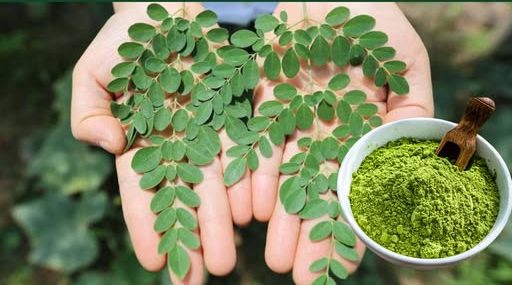
What If One Tiny Seed Could Quietly Rebuild Your Liver and Melt Away Bad Cholesterol?
It’s easy to be drawn in by bold claims about a “tiny seed” that can transform your health overnight. But the truth is more grounded—while no single food can rebuild the liver or instantly eliminate cholesterol, some seeds are rich in nutrients that support these functions when included in a balanced diet.
One of the most talked-about options is flaxseed, a small but nutrient-dense seed that has been widely studied for its potential health benefits.
Why Flaxseed Gets So Much Attention
flaxseed is rich in omega-3 fatty acids, fiber, and plant compounds known as lignans. These nutrients are associated with supporting heart health and helping maintain normal cholesterol levels.
The fiber content, in particular, plays a role in reducing the absorption of excess cholesterol in the digestive system.
Supporting Liver Health Naturally
The liver is responsible for filtering toxins and supporting metabolism. While it naturally detoxifies the body on its own, certain nutrients can help support its function.
The antioxidants found in flaxseed may help reduce oxidative stress, which can support overall liver wellness. However, it’s important to understand that no seed can “rebuild” the liver on its own.
Healthy lifestyle habits remain essential.
May Help Support Cholesterol Balance
Some studies suggest that regular consumption of flaxseed may help support healthy cholesterol levels, especially when combined with a balanced diet.
Its soluble fiber forms a gel-like substance in the digestive system, which can help reduce the absorption of LDL (often called “bad”) cholesterol.
This effect is gradual and works best with consistent use.
How to Add Flaxseed to Your Diet
flaxseed is easy to include in everyday meals.
Ground flaxseed can be added to smoothies, yogurt, oatmeal, or baked goods. It’s often better to consume it ground rather than whole, as this improves nutrient absorption.
A small daily amount is usually enough to gain its benefits.
The Bigger Picture Matters
While flaxseed is nutritious, it is not a miracle solution. Supporting liver health and cholesterol levels requires a combination of healthy habits.
Eating a balanced diet rich in fruits, vegetables, and whole grains
Staying physically active
Maintaining a healthy weight
Limiting processed foods and excess sugar
These factors work together to support long-term health.
A Realistic Perspective
Claims about a single seed “melting away cholesterol” can be misleading. However, flaxseed does offer real nutritional value that can contribute to overall wellness.
When used consistently as part of a healthy lifestyle, it may support heart and liver health in a natural and gentle way.
Sometimes, the smallest foods can make a difference—not through magic, but through steady, everyday nourishment.