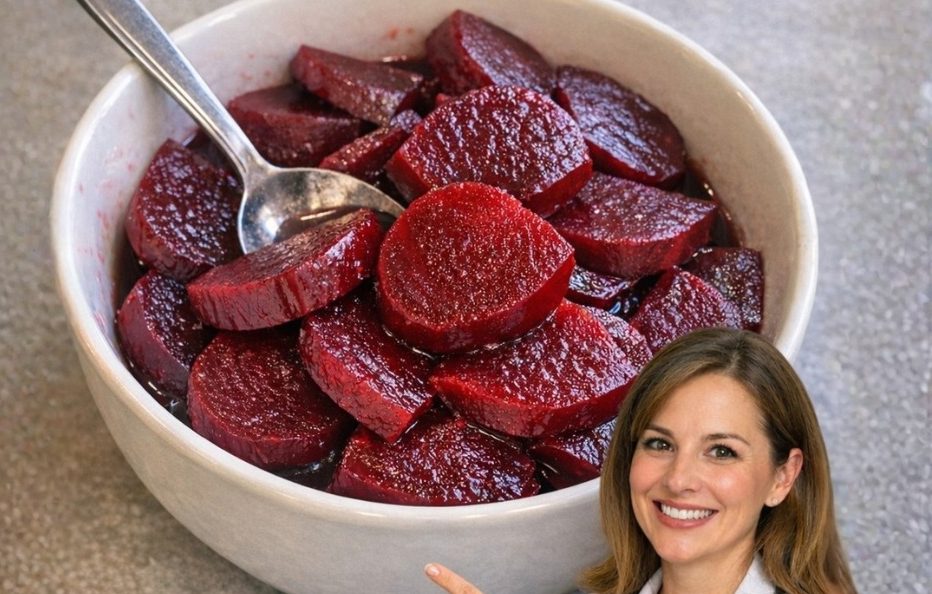
beetroot is a vibrant, nutrient-rich vegetable that has been valued for centuries in traditional diets. Known for its deep red color and earthy flavor, beetroot is more than just a colorful addition to meals—it provides important nutrients that may support digestion and overall wellness, including liver function.
When included in a balanced diet, beetroot can be a simple way to nourish the body naturally.
Rich in Nutrients and Antioxidants
beetroot contains essential vitamins and minerals such as folate, potassium, and vitamin C. It is also rich in antioxidants, particularly betalains, which give beetroot its distinctive color.
These antioxidants help protect the body’s cells from oxidative stress and support overall health.
Supporting Digestive Balance
Beetroot is a good source of dietary fiber, which plays an important role in digestive health. Fiber helps promote regular bowel movements and supports the growth of beneficial gut bacteria.
Including fiber-rich foods like beetroot in your meals may help reduce occasional bloating and support a healthy digestive system.
Additionally, beetroot contains natural compounds that may support the body’s digestive processes and improve nutrient absorption.
Potential Support for Liver Wellness
The liver plays a key role in filtering toxins and supporting metabolism. While the body naturally detoxifies itself, certain nutrients can help support these processes.
The betalains found in beetroot are believed to support the body’s natural detoxification pathways and help reduce oxidative stress in the liver.
This does not mean beetroot “cleanses” the liver on its own, but it may contribute to overall liver health when included as part of a balanced diet.
Supports Healthy Circulation
Beetroot also contains natural nitrates, which the body can convert into nitric oxide. This compound helps relax blood vessels and support healthy blood flow.
Improved circulation can benefit overall wellness and support various body functions.
How to Enjoy Beetroot
There are many ways to include beetroot in your daily meals.
It can be eaten raw in salads, roasted for a sweeter flavor, or blended into juices and smoothies. Beetroot can also be added to soups or combined with other vegetables for a nutritious side dish.
Pairing beetroot with ingredients like lemon, carrots, or apples can enhance both flavor and nutritional value.
Things to Keep in Mind
Beetroot is generally safe for most people, but it can cause harmless side effects such as red or pink urine or stool, which may be surprising if you are not expecting it.
Because it contains natural sugars, it should be consumed in moderation as part of a balanced diet.
People with specific health conditions, such as kidney stones, may want to consult a healthcare professional before increasing their intake.
A Natural Addition to a Healthy Lifestyle
beetroot is a versatile and nourishing vegetable that can support digestive balance and contribute to overall wellness, including liver health.
While it is not a cure or detox solution, incorporating beetroot into a varied diet can help provide essential nutrients and support the body’s natural processes.
Sometimes, simple whole foods are the most effective way to care for your health—one meal at a time.