Natural Uses for Skin Care, Wellness, and Traditional Remedies
Sage is a well-known medicinal herb that has been used for centuries in traditional medicine and natural wellness practices. With its soft green leaves and strong aromatic scent, sage has been valued for its potential health-supporting properties and its role in herbal remedies.
In many cultures, sage leaves are used in herbal teas, skincare treatments, and traditional herbal pastes. The plant contains natural compounds such as antioxidants, vitamins, and essential oils that contribute to its popularity in natural health routines.
In this article, we explore the benefits of sage leaves, their traditional uses in skincare and wellness, and how this powerful herb can be incorporated into a healthy lifestyle.
What Are Sage Leaves?
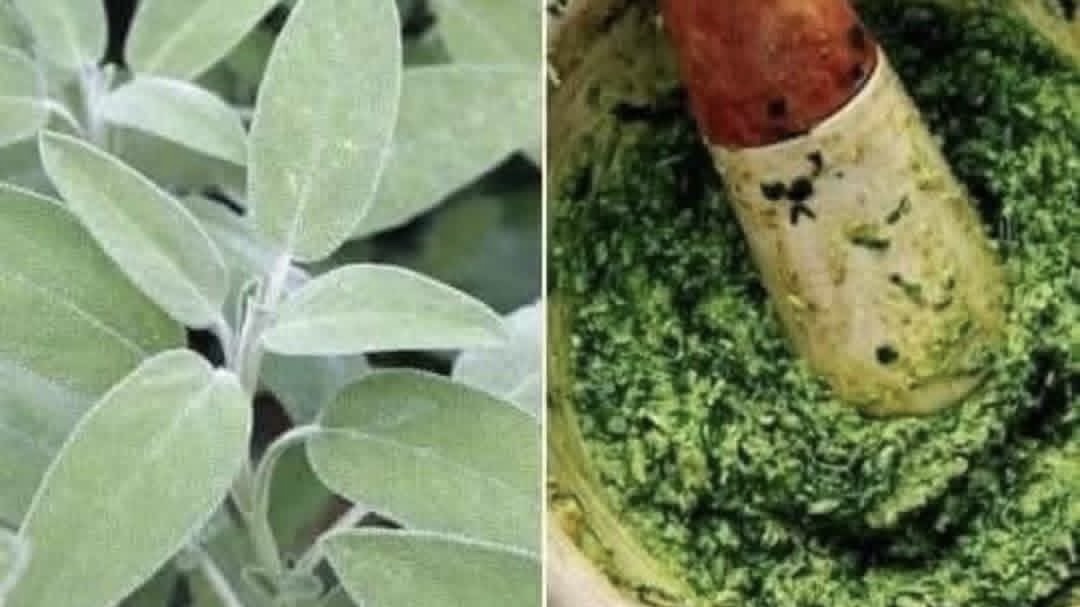
Sage is a perennial herb that belongs to the mint family, scientifically known as Salvia officinalis. The plant grows widely in Mediterranean regions and has been used in cooking and traditional herbal medicine for centuries.
Sage leaves are recognizable by their:
- Soft texture
- Grayish-green color
- Strong herbal aroma
These leaves contain essential oils and plant compounds that give sage its unique properties.
Today, sage is commonly used in:
- Herbal teas
- Natural skincare remedies
- Aromatherapy
- Cooking and seasoning
Nutritional and Herbal Compounds in Sage
Sage leaves contain a variety of nutrients and beneficial plant compounds that support overall wellness.
Some important compounds found in sage include:
- Antioxidants
- Flavonoids
- Rosmarinic acid
- Vitamin K
- Vitamin A
- Essential oils
These compounds contribute to sage’s role in traditional herbal remedies and natural health practices.
Sage and Antioxidant Support
One of the most valued qualities of sage is its high antioxidant content. Antioxidants help protect the body from oxidative stress caused by free radicals.
Free radicals are unstable molecules that can damage cells over time. Antioxidants help neutralize these molecules and support overall health.
Consuming antioxidant-rich foods and herbs like sage may contribute to maintaining healthy cells and supporting long-term wellness.
Sage and Skin Care
Sage has been used in traditional skincare practices for many years. Herbal preparations made from sage leaves are sometimes applied to the skin as part of natural beauty routines.
Because of its natural plant compounds, sage is believed to support:
- Skin cleansing
- Skin soothing
- Natural skin balance
Some people prepare sage-based herbal pastes or infusions that are used in facial treatments or herbal compresses.
However, individuals with sensitive skin should always test herbal preparations before applying them widely.
Traditional Herbal Paste Made with Sage
In traditional remedies, sage leaves are sometimes crushed or blended to create herbal pastes.
These pastes are used in some cultures for:
- Skin treatments
- Herbal compresses
- Natural topical applications
The paste is usually prepared by grinding fresh sage leaves with water or natural oils.
Although herbal pastes are common in traditional medicine, they should be used carefully and responsibly.
Sage and Anti-Inflammatory Properties
Sage contains natural plant compounds that have been studied for their anti-inflammatory potential.
Inflammation is a natural process in the body, but excessive inflammation may contribute to discomfort and health problems.
Herbs rich in antioxidants and anti-inflammatory compounds are often included in natural wellness practices.
Sage may contribute to overall wellness when used as part of a balanced diet and healthy lifestyle.
Sage Tea and Digestive Comfort
Sage leaves are commonly used to prepare herbal tea. Sage tea has a warm, slightly earthy flavor and is traditionally consumed for digestive comfort.
Herbal teas made from sage may help support:
- Digestive relaxation
- Hydration
- Natural wellness routines
Warm herbal beverages are often included in evening relaxation habits.
How to Prepare Sage Tea
Preparing sage tea is simple and requires only a few ingredients.
Ingredients
- 5 fresh sage leaves or 1 teaspoon dried sage
- 1 cup hot water
- Optional: honey or lemon
Preparation
- Boil water and pour it over the sage leaves.
- Allow the leaves to steep for 5–10 minutes.
- Strain the tea into a cup.
- Add honey or lemon if desired.
This herbal tea can be enjoyed warm as part of a relaxing daily routine.
Sage in Aromatherapy
Sage essential oil is sometimes used in aromatherapy because of its strong herbal fragrance.
Aromatherapy practices often use plant-based oils to promote relaxation and create calming environments.
Sage aroma is sometimes associated with:
- Mental clarity
- Relaxation
- Stress relief
However, essential oils should always be used carefully and diluted appropriately.
Sage and Oral Health
Some traditional herbal practices use sage leaves for oral care.
Because sage contains natural compounds, herbal mouth rinses made with sage are sometimes used to support oral hygiene.
Herbal rinses may help freshen breath and maintain oral cleanliness.
However, sage preparations should not replace regular dental care such as brushing and flossing.
Growing Sage at Home
Sage is a relatively easy herb to grow at home. Many people cultivate sage in gardens or small pots because of its usefulness in cooking and herbal remedies.
Sage plants thrive in:
- Sunny locations
- Well-drained soil
- Moderate watering
Growing herbs at home provides a fresh and convenient supply of natural ingredients for cooking and herbal preparations.
Sage in Culinary Use
In addition to its medicinal uses, sage is widely used as a culinary herb. It adds a warm and earthy flavor to many dishes.
Sage is commonly used in:
- Soups
- Roasted vegetables
- Poultry dishes
- Sauces and stuffing
Using herbs in cooking is a natural way to add flavor while reducing the need for excess salt.
Important Safety Considerations
Although sage is a natural herb, it should still be used responsibly.
Some precautions include:
- Excessive consumption of sage may cause digestive discomfort.
- Pregnant women should consult healthcare professionals before consuming large amounts of sage.
- Essential oils derived from sage should never be ingested without professional guidance.
Moderation is essential when using herbal remedies.
Herbs and a Healthy Lifestyle
Herbs such as sage can be a beneficial addition to a healthy lifestyle when used as part of a balanced diet.
A healthy lifestyle includes:
- Eating nutrient-rich foods
- Staying physically active
- Drinking enough water
- Managing stress
- Getting adequate sleep
Natural herbs complement these habits but should not replace professional medical care.
Conclusion
Sage leaves have been valued for centuries in traditional medicine, skincare, and culinary practices. Rich in antioxidants, vitamins, and aromatic compounds, sage is a versatile herb that continues to be widely appreciated.
From herbal teas to natural skincare preparations, sage offers a variety of uses that support wellness and relaxation. While it can contribute to healthy habits, sage should always be used responsibly and as part of a balanced lifestyle.
Incorporating herbs like sage into daily routines can provide both flavor and natural plant-based benefits while supporting overall well-being.