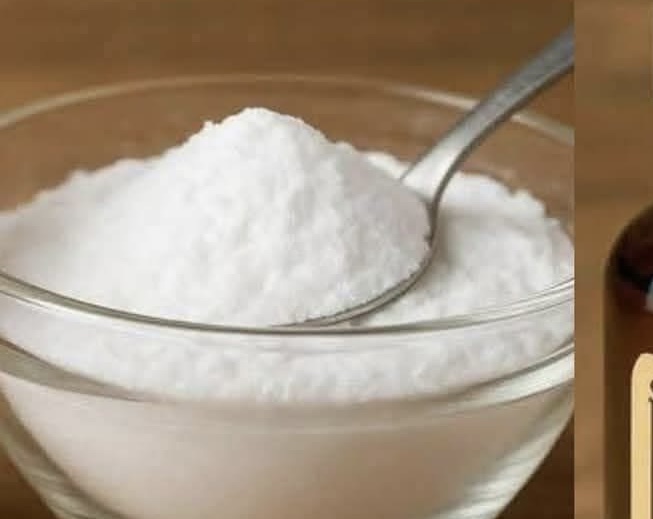
Natural ingredients have been used in home remedies and traditional skincare routines for many years. Two common household items often discussed in natural wellness circles are castor oil and baking soda. Each of these ingredients has unique properties that may support basic skin care when used carefully.
Although these ingredients are widely available and commonly used, it is important to understand their benefits, limitations, and safe usage.
What Is Castor Oil?
Castor oil is a vegetable oil extracted from the seeds of the Ricinus communis plant. It has been used for centuries in traditional medicine, cosmetics, and skincare products.
Castor oil contains several beneficial components, including:
- Ricinoleic acid
- Vitamin E
- Fatty acids
- Antioxidants
These compounds help support skin hydration and overall skin health.
Moisturizing Properties of Castor Oil
One of the most well-known benefits of castor oil is its moisturizing ability. The oil helps retain moisture in the skin and may create a protective barrier that prevents dryness.
Benefits of castor oil for skin include:
- Supporting skin hydration
- Helping soften rough skin
- Supporting skin barrier protection
Because of its thick texture, castor oil is often used in small amounts or combined with lighter oils.
Castor Oil and Skin Care
Castor oil is sometimes used in skincare routines because it may support a healthy skin appearance. The fatty acids in the oil help nourish the skin and improve its texture.
Common cosmetic uses include:
- Moisturizing dry skin
- Supporting nail and cuticle health
- Conditioning eyebrows and eyelashes
However, individual skin reactions may vary, so patch testing is recommended before regular use.
What Is Baking Soda?
Baking soda, also known as sodium bicarbonate, is a fine white powder commonly used in cooking and cleaning. It also appears in some home skincare remedies due to its mild abrasive texture.
Baking soda can help with:
- Gentle exfoliation
- Removing surface impurities
- Refreshing skin texture
However, it must be used cautiously because of its alkaline nature.
Baking Soda as an Exfoliant
The small particles of baking soda can help remove dead skin cells from the surface of the skin. This process, known as exfoliation, may help improve skin texture.
Potential benefits include:
- Smoother skin surface
- Removal of dead skin cells
- Improved skin appearance
Exfoliation should be gentle and not performed too frequently.
Combining Castor Oil and Baking Soda
Some home remedies combine castor oil with baking soda to create a paste used for skin cleansing or exfoliation.
A basic mixture may include:
Ingredients:
- 1 teaspoon baking soda
- A few drops of castor oil
Preparation:
- Mix the ingredients into a paste.
- Apply gently to the skin.
- Massage lightly for a short time.
- Rinse thoroughly with water.
This type of mixture should be used occasionally rather than regularly.
Important Safety Considerations
Although natural ingredients can be beneficial, they may not be suitable for all skin types.
Possible side effects include:
- Skin irritation
- Redness
- Dryness
- Sensitivity
Baking soda in particular may disrupt the skin’s natural pH balance if used too often.
People with sensitive skin should be especially cautious.
Safer Skin Care Alternatives
Many dermatologists recommend using skincare products specifically designed for facial care. These products are formulated to maintain the skin’s natural balance.
Safer options include:
- Gentle facial cleansers
- Mild exfoliating products
- Moisturizing creams
- Sunscreen for daily protection
Choosing products suited to your skin type helps maintain healthy skin.
Healthy Skin Habits
Long-term skin health depends on consistent daily habits rather than quick remedies.
Good skincare practices include:
- Washing the face with gentle cleansers
- Moisturizing regularly
- Protecting skin from sun exposure
- Drinking enough water
- Maintaining a balanced diet
These habits support healthy skin appearance over time.
When to Seek Professional Advice
For persistent skin conditions such as acne, pigmentation, or irritation, consulting a dermatologist is recommended. Professional guidance helps ensure safe and effective treatment.
Dermatologists can recommend treatments tailored to specific skin needs.
Conclusion
Castor oil and baking soda are common household ingredients sometimes used in traditional skincare practices. Castor oil provides moisturizing benefits, while baking soda may offer gentle exfoliation when used carefully.
However, moderation and caution are essential to avoid skin irritation. Maintaining healthy skin depends on consistent skincare habits, balanced nutrition, and proper hydration.