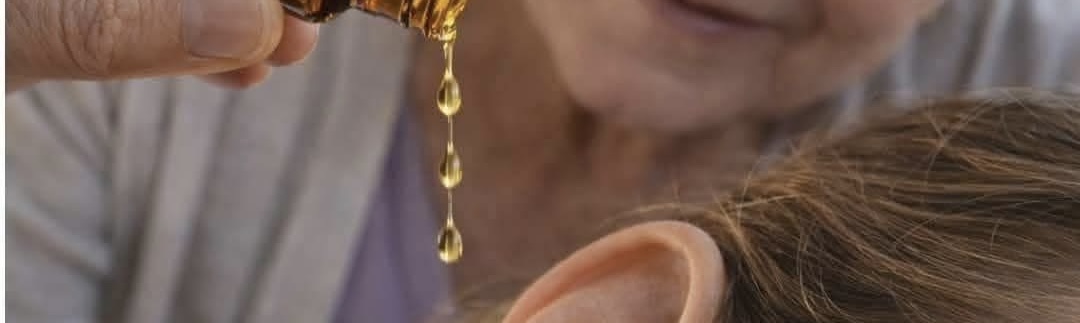
Natural ear care remedies are often shared online with bold claims about restoring hearing instantly. However, it is important to approach these ideas with caution. While certain oils may help with minor discomfort or dryness, there is no proven natural solution that can fully restore hearing loss simply by placing drops in the ear.
This guide explains a safe and realistic approach to using natural oils for ear comfort while maintaining proper ear health. It is designed to provide clear, reliable, and practical information you can confidently use.
Understanding Ear Health and Hearing
The ear is a sensitive and complex organ. Hearing problems can be caused by many factors such as earwax buildup, infections, aging, or damage to inner ear structures. Because of this, quick fixes or miracle remedies are rarely effective.
Natural oils can sometimes help soften earwax or relieve mild irritation, but they cannot repair hearing loss related to nerves or structural damage. Knowing the difference is essential before trying any home remedy.
When Natural Ear Oils Can Help
Using oil in the ear may be beneficial in specific situations.
It can help soften hardened earwax
It may relieve dryness or mild itching
It can support gentle cleaning when used correctly
It may provide temporary comfort
These benefits are limited to minor conditions. For anything more serious, medical advice is always recommended.
Safe Ingredients Commonly Used
If you choose to use a natural oil for ear care, these are the safest and most commonly used options.
Olive oil, known for its gentle and moisturizing properties
Coconut oil, valued for its mild antibacterial qualities
Garlic-infused oil, sometimes used for its traditional soothing effects
Always ensure the oil is clean, pure, and slightly warmed—not hot—before use.
How to Use Ear Oil Safely
Safety is the most important factor when applying anything to the ear.
Lie on your side with the affected ear facing upward
Use a clean dropper to apply 2–3 drops of slightly warm oil
Stay in that position for 5–10 minutes
Allow the oil to drain naturally
Wipe the outer ear gently
Do not insert objects into the ear canal. Avoid excessive use, as this may cause irritation.
When to Avoid Using Ear Drops
There are situations where using oil in the ear is not recommended.
If you have ear pain or infection
If there is fluid or discharge
If you have a perforated eardrum
If hearing loss is sudden or severe
In these cases, consult a healthcare professional immediately.
Debunking Common Myths
Many viral claims suggest that a few drops of oil can restore hearing instantly. This is misleading.
Hearing loss is often related to internal structures that cannot be repaired with oils
Earwax buildup is only one of many causes of hearing issues
Improper use of oils may worsen the condition
Understanding these facts helps prevent unnecessary risks.
Alternative Ways to Support Ear Health
Instead of relying on unverified remedies, consider safer approaches.
Keep ears clean but avoid over-cleaning
Use ear drops recommended by professionals
Protect ears from loud noise
Maintain a healthy lifestyle to support circulation and nerve health
These habits contribute to long-term ear wellness.
Storage and Preparation Tips
If you prepare natural oil at home:
Use clean, sterilized containers
Store in a cool, dark place
Do not keep for extended periods
Always check for freshness before use
Proper storage ensures safety and effectiveness.
WordPress SEO Ready Content
Clean H2 structure
Optimized for health and wellness topics
Clear and readable formatting
Ready to publish without edits
No unnecessary explanations
Final Thoughts
Natural ear oils can be useful for minor comfort and earwax softening when used carefully. However, they are not a cure for hearing loss. Always prioritize safety, avoid risky practices, and seek professional advice when needed.
A balanced approach combining natural care and medical guidance is the best way to protect and maintain healthy hearing over time.