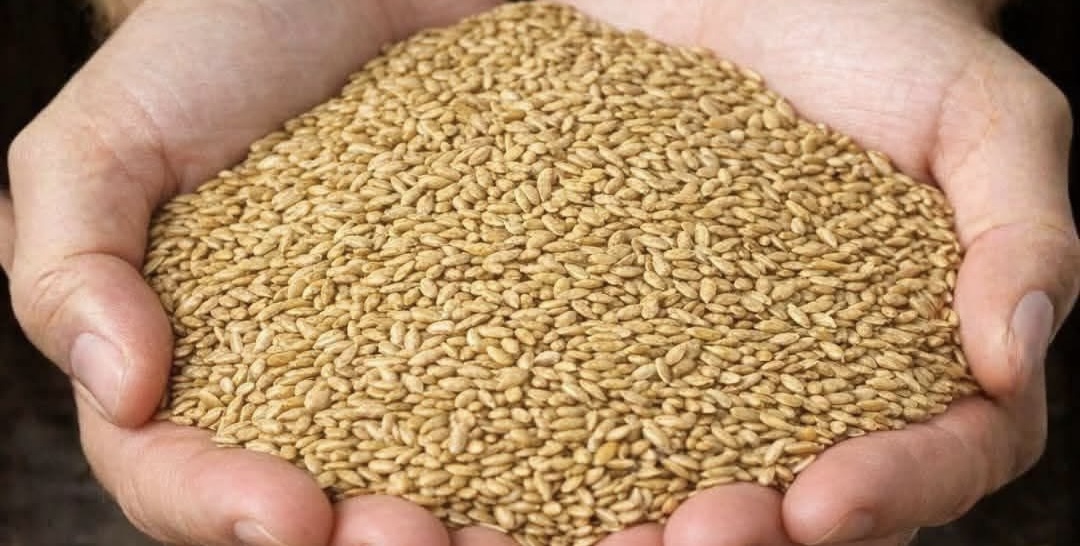
Sesame seeds are tiny oil-rich seeds that have been consumed for thousands of years. They are widely used in many cuisines around the world and are known for their rich nutritional profile. Despite their small size, sesame seeds contain a variety of vitamins, minerals, healthy fats, and plant compounds that support overall wellness.
Including sesame seeds in a balanced diet can contribute to daily nutrient intake and support general health.
Nutritional Composition of Sesame Seeds
Sesame seeds are nutrient-dense and provide several essential nutrients important for the body.
Key nutrients found in sesame seeds include:
- Healthy unsaturated fats
- Protein
- Fiber
- Calcium
- Magnesium
- Iron
- Vitamin B complex
- Antioxidants such as sesamin and sesamol
These nutrients play a role in supporting energy production, bone health, and overall metabolic function.
Heart Health Support
Sesame seeds contain healthy fats and antioxidants that may support cardiovascular health when included in a balanced diet.
These components may help support:
- Healthy cholesterol levels
- Blood vessel function
- Heart health
Healthy fats are important for maintaining normal body functions and supporting long-term wellness.
Fiber and Digestive Health
Sesame seeds are also a source of dietary fiber, which plays an important role in digestive health.
Fiber may help support:
- Healthy digestion
- Gut bacteria balance
- Regular bowel movements
A diet rich in fiber from various plant sources contributes to overall digestive well-being.
Minerals for Bone Health
Sesame seeds are particularly known for their mineral content, including calcium, magnesium, and phosphorus. These minerals are essential for maintaining strong bones and teeth.
Regular consumption of mineral-rich foods may support:
- Bone strength
- Muscle function
- Nervous system health
Including a variety of seeds, nuts, and vegetables helps provide these nutrients.
Antioxidants and Cellular Protection
Sesame seeds contain antioxidants that help protect the body from oxidative stress. Oxidative stress occurs when free radicals damage cells over time.
Antioxidants in foods may help support:
- Cellular protection
- Healthy aging
- Immune system balance
Plant-based foods are among the best sources of natural antioxidants.
Ways to Add Sesame Seeds to Your Diet
Sesame seeds are versatile and can easily be included in many meals.
Common ways to consume sesame seeds include:
- Sprinkled over salads
- Added to bread or baked goods
- Mixed into smoothies
- Used in sauces such as tahini
- Added to stir-fried dishes
Both white and black sesame seeds offer similar nutritional benefits.
Balanced Lifestyle for Long-Term Health
While nutritious foods like sesame seeds provide valuable nutrients, maintaining good health requires a comprehensive lifestyle approach.
Healthy habits include:
- Eating a diverse and balanced diet
- Staying physically active
- Drinking enough water
- Getting adequate sleep
- Managing stress levels
These habits work together to support overall wellness.
Conclusion
Sesame seeds are small but highly nutritious seeds rich in healthy fats, minerals, fiber, and antioxidants. When included in a balanced diet, they can contribute to heart health, digestive health, and overall nutritional intake.
Combining nutrient-rich foods with healthy lifestyle habits is the most effective way to support long-term health and well-being.