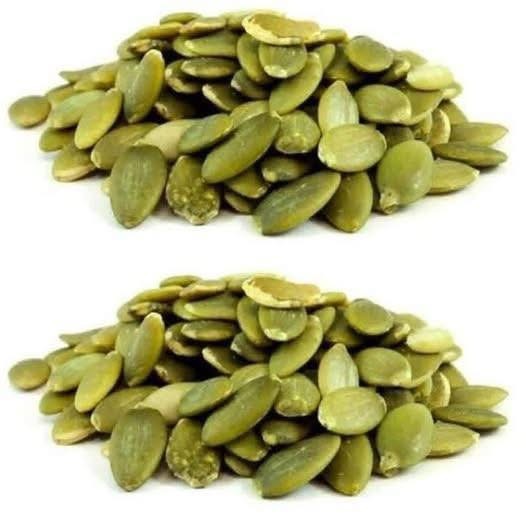
Pumpkin seeds, often called pepitas, may look tiny and simple, but they pack an impressive punch when it comes to flavor, nutrition, and versatility. These smooth, green seeds are harvested from pumpkins, cleaned, and either eaten raw or roasted to create a crunchy, satisfying snack. Over the years, pumpkin seeds have become a favorite ingredient in healthy kitchens around the world thanks to their rich nutrient profile and easy use in everyday meals.
If you’re looking for a clean, natural, and nutrient-dense food to add to your diet, pumpkin seeds are one of the smartest choices you can make. They fit perfectly into balanced lifestyles, plant-based diets, and fitness routines, offering both taste and health benefits in every handful.
What Are Pumpkin Seeds?
Pumpkin seeds are the edible kernels found inside pumpkins. Once removed from the white outer shell, the inner seed—known as the pepita—is soft, flat, and green. These seeds can be enjoyed raw, roasted, salted, or seasoned with spices.
Unlike many processed snacks, pumpkin seeds are minimally handled, making them a clean and natural food option. Their mild, nutty flavor makes them ideal for both sweet and savory recipes. You can eat them alone or sprinkle them over dishes for added texture and nutrition.
Nutritional Value of Pumpkin Seeds
Pumpkin seeds are often described as a superfood because they are loaded with essential nutrients. A small serving delivers a powerful mix of vitamins, minerals, healthy fats, and protein.
They are particularly rich in:
Protein for muscle repair and growth
Healthy fats that support heart health
Magnesium for energy and nerve function
Zinc for immunity and skin health
Iron for oxygen transport
Fiber for digestion
Because they are nutrient-dense and satisfying, pumpkin seeds help keep you full longer, making them perfect for weight management and healthy snacking.
Health Benefits of Pumpkin Seeds
Adding pumpkin seeds to your daily routine can offer several health advantages. Their natural combination of nutrients supports many body functions and promotes overall wellness.
Heart Health Support
Pumpkin seeds contain healthy unsaturated fats, magnesium, and antioxidants that help maintain normal cholesterol levels and support cardiovascular health. Regular consumption may contribute to better heart function and reduced risk of heart-related issues.
Boosted Immunity
Zinc plays a key role in strengthening the immune system. Pumpkin seeds are one of the best plant-based sources of zinc, helping your body fight infections and stay resilient throughout the year.
Improved Sleep Quality
Pumpkin seeds naturally contain tryptophan, an amino acid linked to better sleep. Eating a small portion in the evening may help promote relaxation and improve sleep cycles.
Better Digestion
Thanks to their fiber content, pumpkin seeds support healthy digestion and gut function. They can help regulate bowel movements and maintain a balanced digestive system.
Energy and Muscle Support
With a solid mix of protein and magnesium, pumpkin seeds help maintain energy levels and muscle performance. They are popular among athletes and active individuals for this reason.
How to Eat Pumpkin Seeds
One of the best things about pumpkin seeds is how easy they are to use. You don’t need complicated recipes or preparation. Simply add them to your favorite foods for an instant nutritional upgrade.
Here are some simple ideas:
Sprinkle over salads for crunch
Mix into yogurt or oatmeal
Add to smoothies for extra protein
Top soups or roasted vegetables
Blend into homemade granola
Bake into bread or muffins
Enjoy roasted as a snack
You can also season them with sea salt, paprika, chili powder, or cinnamon to create different flavor variations.
Raw vs Roasted Pumpkin Seeds
Both raw and roasted pumpkin seeds have benefits. Raw seeds retain slightly more nutrients, while roasted seeds offer a richer flavor and crunchier texture. Light roasting at home with a little olive oil and salt is a great way to enhance taste without losing too many nutrients.
Avoid heavily salted or processed versions if you want to keep your snack clean and healthy.
Pumpkin Seeds for Weight Management
Pumpkin seeds are filling and satisfying, which helps control hunger between meals. Their protein, fiber, and healthy fat combination keeps you fuller longer and reduces unnecessary snacking.
Because they are calorie-dense, moderation is key. A small handful per day is enough to enjoy the benefits without overdoing it.
Choosing High-Quality Pumpkin Seeds
When buying pumpkin seeds, look for natural, unsalted, and minimally processed options. Organic varieties are often preferred for cleaner sourcing. Store them in an airtight container in a cool, dry place to maintain freshness.
Fresh seeds should have a mild, nutty smell and a crisp texture. If they taste bitter or stale, it’s time to replace them.
Final Thoughts
Pumpkin seeds may be small, but they deliver big results for your health and your kitchen. Packed with protein, minerals, and healthy fats, they are a smart addition to any balanced diet. Whether you snack on them straight from the bag or sprinkle them over meals, these nutrient-rich seeds make healthy eating simple and delicious.
Add pumpkin seeds to your daily routine and enjoy a clean, natural superfood that supports energy, immunity, digestion, and overall wellness—one crunchy bite at a time.