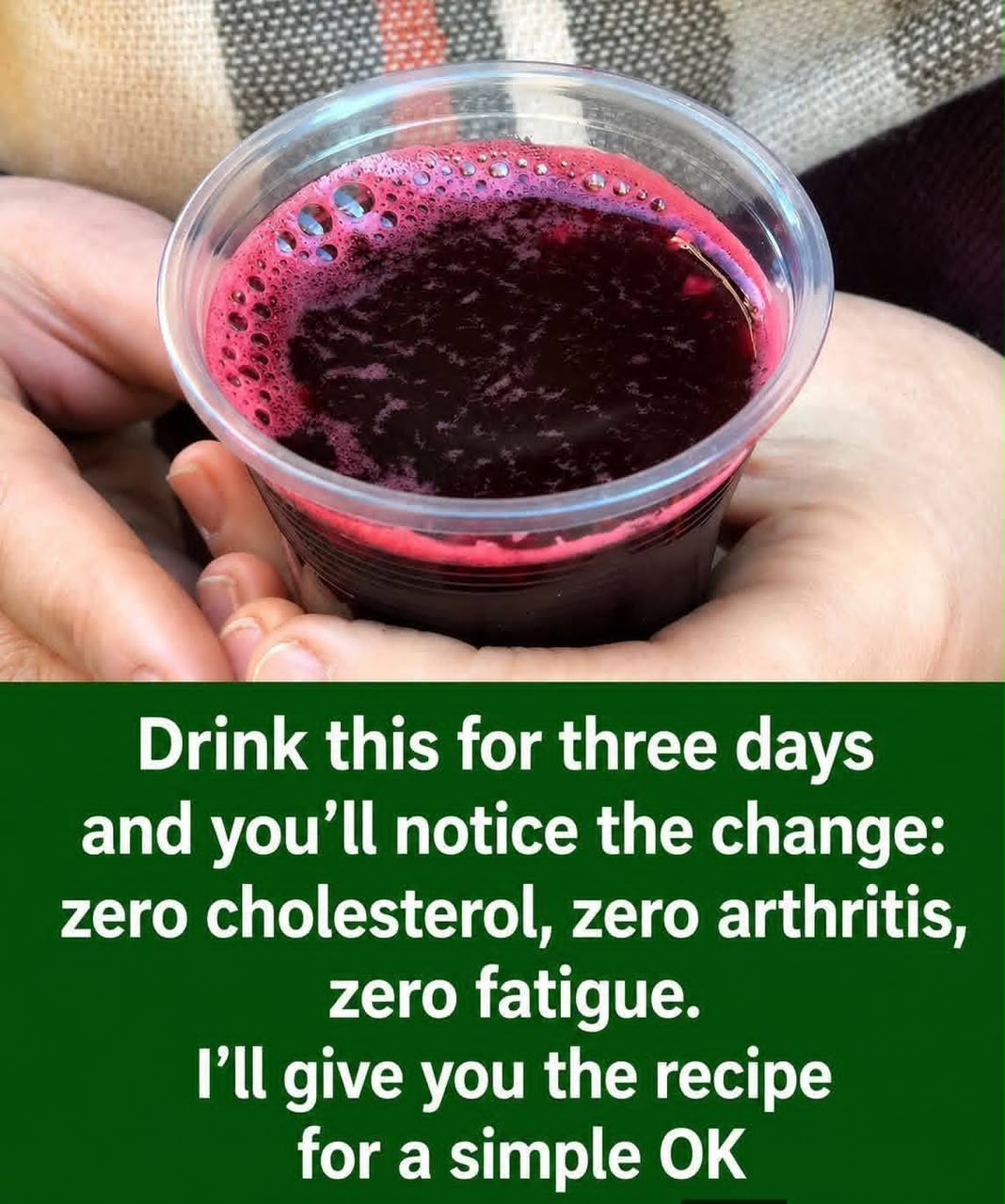
Beetroot makes one of the most colorful homemade drinks you can prepare with ordinary kitchen ingredients.
Its deep ruby shade comes naturally from plant pigments called betalains, while its earthy sweetness pairs beautifully with lemon, apple, ginger, and orange.
A freshly blended beetroot drink may support hydration, provide useful nutrients, and offer a refreshing alternative to heavily sweetened beverages.
However, drinking it for three days will not reduce cholesterol to zero, eliminate arthritis, or permanently cure fatigue. Beetroot can complement healthy habits, but it cannot replace medical treatment, blood tests, prescribed medication, or a proper evaluation of ongoing symptoms.
What Is Beetroot Juice?
Beetroot juice is made by blending or juicing raw or cooked beets with water and other ingredients.
The drink can be prepared as a concentrated juice, a pulpy smoothie-style beverage, or a lighter flavored water.
Blending the entire beet retains more of its natural fiber.
Traditional juicing removes much of the pulp, creating a thinner drink that is easier to sip but generally less filling.
Beetroot has a naturally sweet and earthy flavor. Lemon and ginger brighten it, while apple or orange can make it easier to enjoy for anyone who thinks plain beet juice tastes slightly too much like a well-watered garden.
Why Beetroot Is Worth Adding to the Diet
Beets provide folate, potassium, fiber, manganese, vitamin C, and several naturally occurring plant compounds.
They also contain dietary nitrates.
Inside the body, dietary nitrates can be converted into nitric oxide, a compound involved in the relaxation and normal function of blood vessels.
Research suggests that beetroot juice may modestly lower blood pressure in some people and may support blood flow or exercise performance. The effects vary, and beetroot should not replace prescribed cardiovascular treatment.
Beetroot’s real everyday advantages include:
- Adding vegetables to the diet
- Providing folate and potassium
- Supplying natural plant pigments
- Offering a colorful alternative to soda
- Supporting hydration when diluted
- Adding variety to balanced meals
- Providing fiber when the pulp is retained
Can Beetroot Eliminate Cholesterol?
Beetroot juice cannot reduce cholesterol to zero.
The body needs some cholesterol to produce hormones, vitamin D, cell membranes, and other important substances.
The health concern usually involves excessively high levels of certain cholesterol particles, particularly low-density lipoprotein cholesterol.
Managing cholesterol may involve:
- Increasing fiber-rich foods
- Choosing unsaturated fats
- Reducing excessive saturated fat
- Staying physically active
- Avoiding tobacco
- Managing body weight when appropriate
- Taking prescribed medication
Plant-rich eating patterns can support cardiovascular health, but a single drink cannot replace the complete approach.
People taking cholesterol medication should continue using it as directed unless their healthcare professional changes the treatment.
Beetroot and Arthritis
Beets contain antioxidant plant compounds, but beetroot juice does not cure arthritis.
Arthritis includes many different conditions.
Osteoarthritis involves changes in joints and cartilage, while rheumatoid arthritis is an autoimmune inflammatory disease. Gout, infections, and injuries can also cause painful or swollen joints.
A nutritious diet may support general health and help some people maintain a comfortable weight, which can reduce pressure on certain joints.
That is useful, but it is not the same as rebuilding cartilage or stopping autoimmune joint damage.
Persistent joint pain, warmth, swelling, stiffness, or limited movement should be evaluated professionally.
Can It Help With Fatigue?
Beetroot contains carbohydrates and natural sugar, so it can provide some energy.
Its nitrate content has also been studied in relation to exercise performance and the body’s use of oxygen. Some studies suggest beetroot juice may help certain people remain active longer before becoming tired.
That does not mean beetroot cures every form of fatigue.
Ongoing tiredness can be related to:
- Poor sleep
- Stress
- Anemia
- Infection
- Thyroid disorders
- Blood sugar problems
- Nutrient deficiencies
- Medication effects
- Heart or lung conditions
- Depression or anxiety
- Other medical concerns
Seek medical advice when fatigue is severe, new, unexplained, or continues for several weeks.
A drink can support breakfast. It cannot diagnose why the body feels exhausted.
Beetroot Lemon Drink Recipe
This recipe makes a fresh, lightly sweet beverage with a gentle ginger kick.
Preparation time: 15 minutes
Yield: Approximately 4 cups
Serving size: ¾ to 1 cup
Ingredients
- 2 medium raw beetroots
- 1 medium sweet apple
- 1 large orange
- ½ lemon
- 1-inch piece fresh ginger
- 2½ cups cold drinking water
- 1 teaspoon honey, optional
- 6 fresh mint leaves, optional
- Ice cubes for serving
How to Prepare It
Wash the beetroots, apple, orange, lemon, and ginger thoroughly under running water.
Trim the tops and root ends from the beetroots.
Peel them when the skin is rough or damaged. Clean young beets may be used with the thin skin left in place.
Cut the beetroots into small cubes.
Remove the apple core and seeds, then cut the apple into chunks.
Peel the orange and remove any visible seeds.
Squeeze the juice from half a lemon.
Peel or thoroughly scrub the ginger, then slice it thinly.
Place the beetroot, apple, orange, ginger, lemon juice, and one cup of water in a strong blender.
Blend until smooth.
Add the remaining water gradually and continue blending until the drink reaches your preferred consistency.
Taste before adding honey.
A ripe apple and orange often provide enough sweetness without it.
For a smoother drink, strain it through a fine-mesh strainer.
For more fiber and a thicker texture, leave the pulp in the drink.
Serve immediately over ice or refrigerate it briefly before serving.
A Milder Beginner Version
Plain beetroot juice can taste very earthy.
For a gentler version, use:
- 1 medium beetroot
- 2 apples
- 1 orange
- 3 cups water
- ½ inch ginger
- 1 tablespoon lemon juice
This produces a lighter drink with a softer beet flavor.
It is a good starting point for anyone who has previously tasted concentrated beet juice and decided the garden had fought back.
Beetroot and Carrot Variation
Carrot adds natural sweetness and creates a slightly smoother flavor.
Blend:
- 1 medium beetroot
- 2 medium carrots
- 1 apple
- ½ lemon
- ½ inch ginger
- 3 cups water
Carrots are firm, so chop them finely and use a strong blender.
Add extra water when needed.
Beetroot Berry Version
For a fruitier drink, use:
- 1 medium beetroot
- 1 cup frozen berries
- 1 banana
- 2½ cups water
- 1 tablespoon lemon juice
Blend until smooth.
This version is thicker and works more like a smoothie.
Leaving it unstrained retains more fiber and makes it suitable as part of breakfast rather than simply as a beverage.
How Much Should You Drink?
There is no universal medical dose of homemade beetroot juice.
For many healthy adults, approximately half a cup to one cup is a reasonable food-sized serving.
Start with a smaller amount when you are not used to beetroot.
A large quantity may cause stomach discomfort, gas, diarrhea, or nausea in some people.
Fruit-heavy versions also contain more natural sugar.
Drinking several liters a day will not produce faster results. It may simply turn a colorful recipe into a very long afternoon near the bathroom.
Plain water should remain your main source of hydration.
Best Time to Drink It
Beetroot juice can be enjoyed at any convenient time.
Some people prefer it with breakfast.
Others drink a small serving before physical activity because beetroot’s nitrate content has been studied for exercise performance.
It does not need to be consumed on an empty stomach.
People with sensitive digestion may tolerate it better alongside a meal.
There is also no medically proven three-day schedule.
The drink can become part of a balanced routine, but it should not be used as a short cleanse or a replacement for normal meals.
Why Urine or Stool May Turn Pink
Beetroot contains powerful natural pigments.
After eating beets or drinking beet juice, some people notice pink, red, or purple urine or stool.
This harmless color change is sometimes called beeturia.
It can be surprising, especially when someone forgets about the bright red drink they had earlier.
However, do not automatically assume every red color comes from beets.
Blood in the urine or stool may require medical attention, particularly when it continues after beetroot has left the diet or appears with pain, weakness, dizziness, fever, or other symptoms.
Storage Instructions
Fresh beetroot juice is best consumed soon after preparation.
Pour leftovers into a clean glass jar or food-safe bottle with a tightly fitting lid.
Refrigerate immediately.
Use an unstrained blended drink within 24 hours for the best texture.
A strained water-based juice may be kept for up to two days when it has been prepared hygienically and refrigerated promptly.
Shake well before serving because natural separation is normal.
Do not leave homemade juice at room temperature for several hours.
Discard it if you notice:
- Mold
- Unexpected bubbling
- Pressure inside the bottle
- A fermented or alcoholic smell
- A slimy texture
- An unpleasant sour taste
For longer storage, freeze the juice in small portions for up to one month.
Thaw it overnight in the refrigerator and stir thoroughly.
Important Kidney-Stone Precaution
Beetroot contains oxalates.
People with a history of calcium oxalate kidney stones may be advised to limit high-oxalate foods, including beetroot, depending on their individual treatment plan.
That does not mean every person must avoid beets.
Kidney-stone recommendations depend on the type of stone, fluid intake, sodium intake, calcium intake, medical history, and other factors.
Speak with a doctor or registered dietitian before drinking concentrated beet juice regularly when you have recurrent kidney stones.
Blood-Pressure Precautions
Because beetroot’s dietary nitrates may modestly lower blood pressure, people who already have low blood pressure should begin cautiously.
The same applies to anyone taking blood-pressure medication.
Watch for symptoms such as:
- Dizziness
- Lightheadedness
- Weakness
- Fainting
- Blurred vision when standing
Do not stop or reduce blood-pressure medication without professional guidance.
The most reliable way to know whether blood pressure has changed is to measure it properly—not to judge it by how energetic you feel after one glass.
Blood Sugar Considerations
Whole beets contain natural carbohydrates along with fiber.
Juicing removes much of the fiber, especially when the pulp is discarded.
People managing diabetes may prefer a smaller serving, an unstrained version, or a recipe containing more vegetables and less fruit.
Honey is optional and can be omitted.
Beetroot juice should not replace diabetes medication or blood-glucose monitoring.
Pairing a moderate serving with protein, healthy fat, and a full meal may be more satisfying than drinking a sweet fruit-heavy juice by itself.
Other Safety Considerations
Stop drinking the juice if it causes repeated nausea, diarrhea, abdominal pain, itching, swelling, or another unusual reaction.
Anyone with severe kidney disease, a medically restricted potassium diet, or complex medication needs should ask a healthcare professional before making concentrated vegetable juices a daily habit.
Pregnant people can generally enjoy properly washed and prepared beetroot as food.
Extra care is needed with fresh unpasteurized juice. Use clean produce, clean equipment, prompt refrigeration, and short storage.
Children may enjoy a small diluted serving, but plain water and whole fruit should remain important parts of their routine.
Frequently Asked Questions
Can beetroot juice remove cholesterol in three days?
No.
It may fit into a heart-conscious diet, but it cannot reduce cholesterol to zero or replace medication.
Does beet juice cure arthritis?
No.
It provides plant nutrients but cannot cure arthritis, rebuild damaged joints, or control autoimmune disease.
Can I drink it every morning?
Many people can enjoy a moderate serving regularly.
Daily concentrated juice may not suit people with low blood pressure, kidney stones, digestive sensitivity, or certain medical conditions.
Is raw beetroot better than cooked beetroot?
Both can be nutritious.
Raw beetroot produces a fresher juice, while cooked beetroot creates a milder, sweeter flavor and may be easier to blend.
Can I make it without a juicer?
Yes.
A blender and water work well. Strain the mixture when you prefer a thinner drink.
Can I leave out the apple?
Yes.
Replace it with cucumber, carrot, orange, or additional water.
Does beetroot contain iron?
Beetroot contains some iron, but it should not be relied on as a treatment for iron-deficiency anemia.
Anyone with suspected anemia needs appropriate testing and treatment.
Final Thoughts
Beetroot lemon juice is naturally beautiful, refreshing, and much easier to prepare than its dramatic color suggests.
It provides useful nutrients, dietary nitrates, and colorful plant compounds. When the pulp is retained, it also contributes fiber.
Enjoy a modest serving with breakfast, dilute it when the flavor is too strong, and refrigerate leftovers promptly.
It will not create zero cholesterol, zero arthritis, and zero fatigue within three days.
What it can do is make vegetables more enjoyable, replace a heavily sweetened drink, and add one bright, practical choice to an otherwise balanced routine.
Sometimes real wellness looks less like a miracle and more like a cold ruby glass beside a proper breakfast.