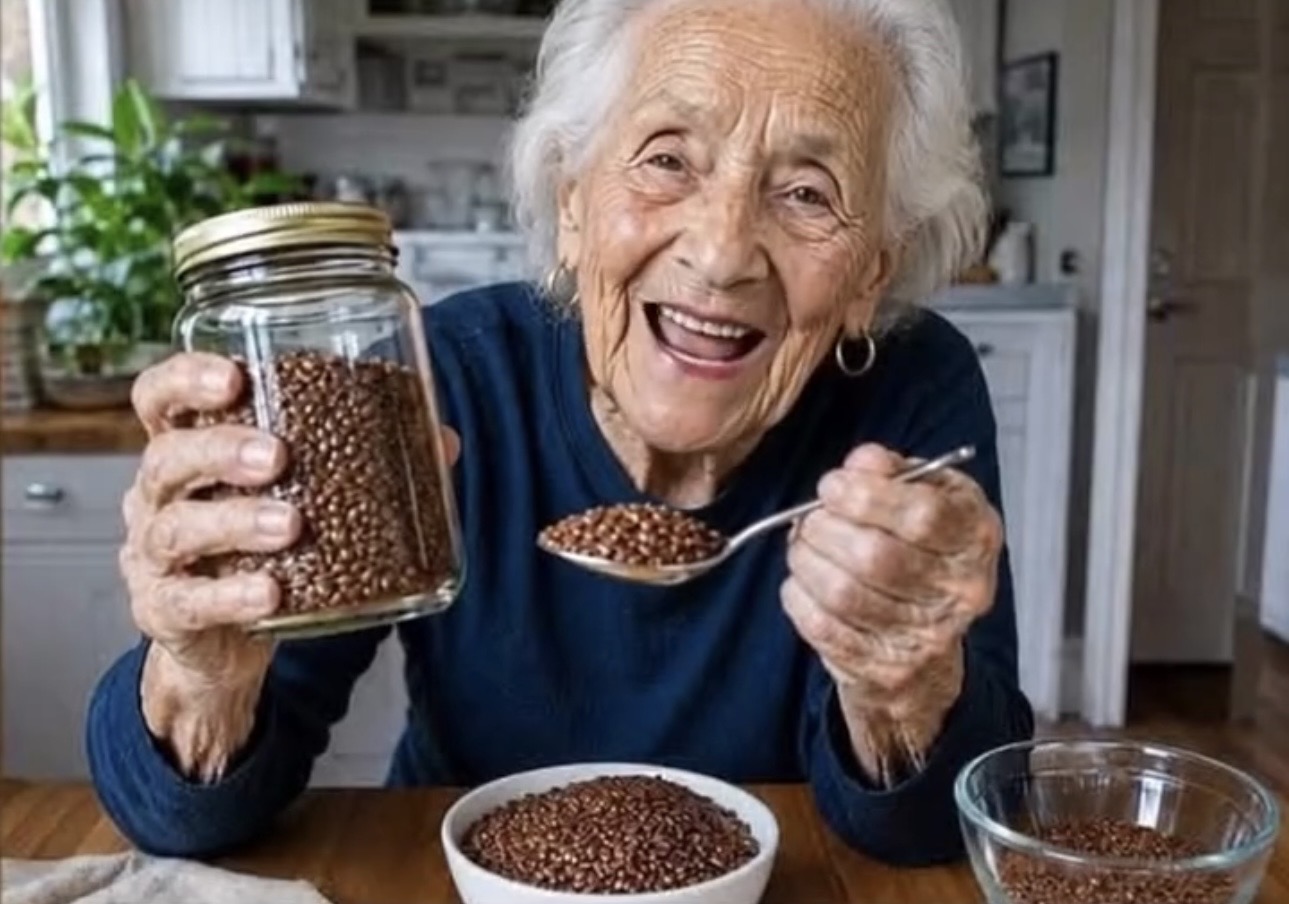
A Viral Health Claim That Deserves a Closer Look
Social media is full of eye-catching headlines promising miracle cures for serious diseases. One popular example claims that a certain seed can “leave hospitals empty” because it cures cancer, diabetes, high blood pressure, and poor circulation.
While these posts often receive millions of views and shares, there is no scientific evidence that any single seed can cure all of these conditions. Claims like these are designed to attract attention, but they can also spread dangerous misinformation.
If you’ve seen a post like this, it’s worth taking a closer look at what science actually says.
Can Any Seed Cure Cancer?
The simple answer is no.
Cancer is not a single disease. It is a group of more than 100 different diseases involving abnormal cell growth. Each type behaves differently and requires different treatment approaches.
Researchers around the world continue to study foods, herbs, and natural compounds that may support overall health or reduce cancer risk. However, no seed has been proven to cure cancer in humans.
Medical treatments such as surgery, chemotherapy, radiation therapy, immunotherapy, targeted therapy, and hormone therapy remain the treatments supported by extensive clinical research.
Anyone diagnosed with cancer should always follow the advice of their oncology team before trying supplements or alternative remedies.
Identifying the Seed in the Viral Image
The image appears to show small brown seeds that resemble flaxseed, although it is impossible to identify them with certainty from a photo alone.
Many viral posts use images of:
- Flaxseed
- Mustard seed
- Sorghum
- Millet
- Brown sesame seeds
- Other small grains
Regardless of which seed is shown, none have been scientifically proven to cure cancer.
Why Seeds Are Still Healthy
Although they are not miracle cures, many seeds are excellent additions to a balanced diet.
Different seeds provide nutrients such as:
- Dietary fiber
- Plant protein
- Healthy fats
- Vitamins
- Minerals
- Antioxidants
Eating a variety of seeds may support general health when combined with an overall nutritious eating pattern.
Flaxseed: What Research Suggests
Flaxseed is one of the most researched seeds in nutrition.
It contains:
- Omega-3 fatty acids
- Fiber
- Lignans
- Protein
Studies suggest flaxseed may help:
- Improve digestive health
- Lower LDL (“bad”) cholesterol
- Support heart health
- Help control blood sugar in some people
- Increase feelings of fullness
Some laboratory studies have investigated whether compounds in flaxseed may influence cancer cells. These findings are interesting, but laboratory research is very different from proving a treatment works in people.
At this time, flaxseed is considered a healthy food—not a cure for cancer.
What About Diabetes?
Healthy eating plays an important role in diabetes management.
Some seeds may help because they contain fiber and healthy fats, which can slow digestion and reduce blood sugar spikes after meals.
However:
- Seeds do not replace insulin.
- Seeds do not replace diabetes medication.
- Seeds do not cure diabetes.
People with diabetes should continue following their healthcare provider’s treatment plan.
Can Seeds Lower Blood Pressure?
Certain foods, including seeds, nuts, fruits, vegetables, and whole grains, may support heart health.
Seeds contain nutrients like:
- Magnesium
- Potassium
- Healthy fats
These nutrients may contribute to healthy blood pressure as part of an overall balanced diet.
Still, no seed can instantly or permanently cure hypertension.
Blood pressure often requires long-term management through:
- Healthy eating
- Exercise
- Weight management
- Stress reduction
- Medication when prescribed
Poor Circulation Is More Complex
Poor circulation can result from many different conditions, including:
- Peripheral artery disease
- Diabetes
- Heart disease
- Smoking
- Blood vessel disorders
Improving circulation usually involves treating the underlying cause rather than relying on a single food.
A healthy lifestyle can support cardiovascular health, but it cannot replace medical evaluation when circulation problems occur.
Why Miracle Cure Posts Go Viral
These posts often use emotional language designed to encourage shares rather than provide accurate health information.
Common phrases include:
- “Doctors don’t want you to know.”
- “Hospitals hate this.”
- “One simple ingredient.”
- “Cures everything.”
- “Natural remedy they hide.”
These statements rarely include scientific references or evidence from human clinical trials.
Extraordinary health claims require extraordinary evidence.
What Science Says About Cancer Prevention
While no food guarantees protection against cancer, research supports several lifestyle habits that may help reduce overall risk.
These include:
- Eating plenty of fruits and vegetables
- Choosing whole grains
- Maintaining a healthy weight
- Exercising regularly
- Avoiding tobacco
- Limiting alcohol consumption
- Protecting skin from excessive sun exposure
- Following recommended cancer screening guidelines
These habits have far stronger scientific support than any viral social media remedy.
Are There Risks to Following Viral Health Advice?
Yes.
Believing miracle cure claims can sometimes lead people to:
- Delay medical treatment
- Stop prescribed medications
- Spend money on ineffective products
- Develop unrealistic expectations
- Ignore symptoms that require medical attention
Natural products can also interact with medications, making it important to discuss supplements with a healthcare professional.
How to Evaluate Health Claims Online
Before believing or sharing a medical claim, ask yourself:
- Does it cite scientific research?
- Is the source trustworthy?
- Does it promise a cure for many unrelated diseases?
- Does it sound too good to be true?
- Do respected medical organizations support the claim?
If the answer to several of these questions is no, skepticism is appropriate.
Healthy Ways to Include Seeds in Your Diet
Seeds can still be a nutritious part of everyday meals.
Try adding them to:
- Oatmeal
- Yogurt
- Smoothies
- Salads
- Homemade bread
- Whole-grain cereal
- Soups
- Vegetable dishes
They contribute nutrients that support overall health without being marketed as miracle cures.
The Bottom Line
The viral claim that a single seed can cure cancer, diabetes, high blood pressure, and poor circulation is not supported by scientific evidence.
Seeds such as flaxseed and others are nutritious foods that can contribute to a healthy diet, but they should not be viewed as replacements for evidence-based medical care.
Maintaining a balanced diet, staying physically active, attending regular medical checkups, and following treatment recommendations from qualified healthcare professionals remain the most reliable ways to support long-term health.
When encountering sensational health claims online, taking a moment to verify the information can help separate nutrition facts from internet myths.