Houseplants have a way of making us feel like better people. A healthy green plant in the corner of a room somehow makes everything look calmer, cleaner, and more alive. But the moment that same plant starts looking weak, pale, or slow-growing, many people begin searching for fast home remedies.
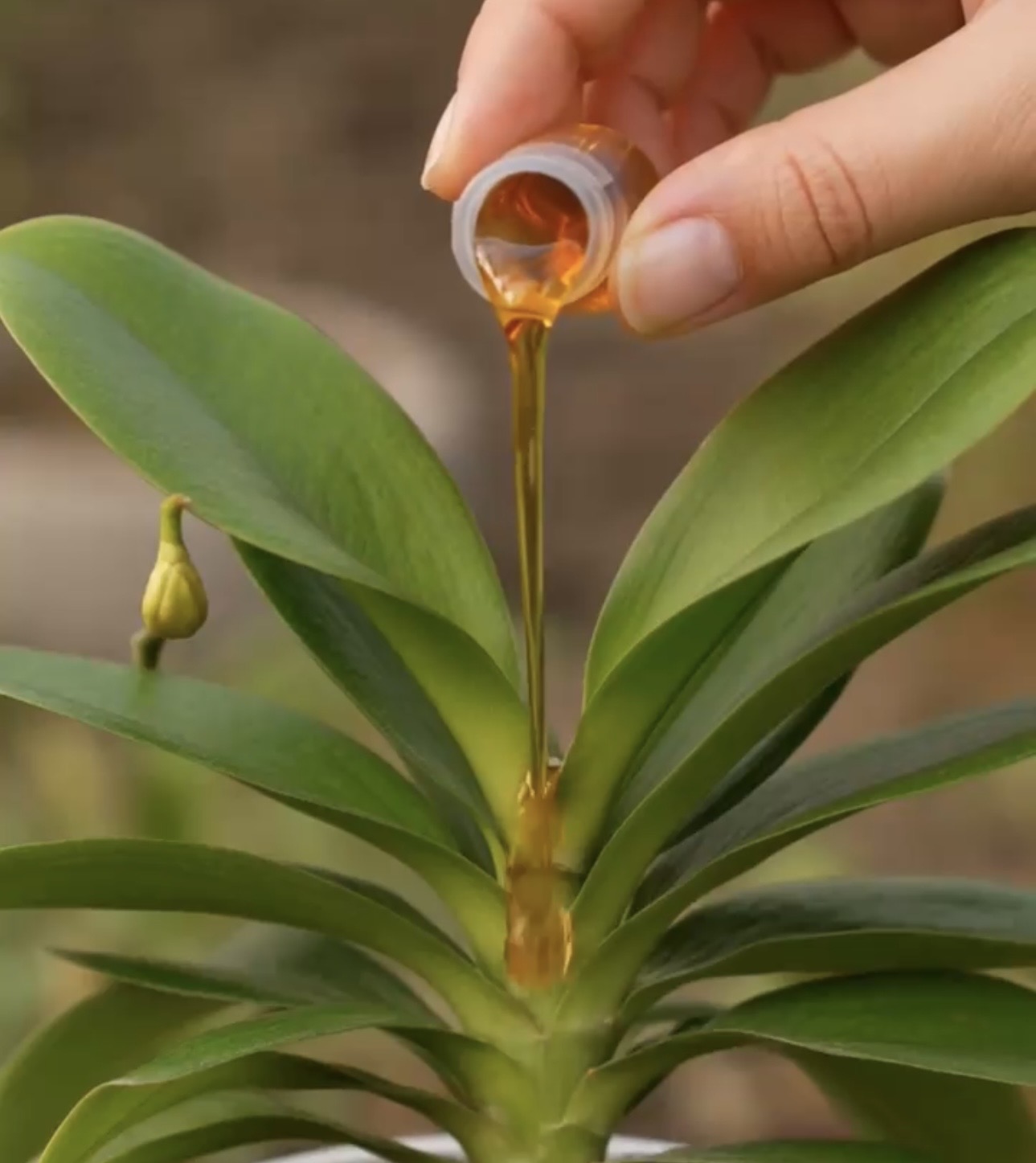
That is where unusual plant care tips start showing up everywhere. A little powder in the soil. A splash of kitchen water. A homemade spray. A thick amber liquid poured into the center of the plant. Suddenly every struggling leaf becomes part of a mystery experiment.
The idea behind these plant hacks is always tempting. They sound simple, cheap, and almost magical. Just add one ingredient and watch your plant become greener, stronger, and full of life again. But when it comes to indoor plant care, especially with flowering plants like lilies, things are not always that simple.
Some natural plant care methods can be helpful when used correctly. Others can create more stress than support. Thick sugary or sticky liquids, especially when applied directly to the crown or center of a plant, can be risky if the plant species, watering needs, and growing conditions are not fully understood.
So is pouring a sweet liquid on a lily plant a clever plant care trick or a bad idea? The answer depends on what the liquid is, how it is used, and whether the plant actually needs it at all.
Why People Try Homemade Plant Boosters
When a houseplant is not thriving, most people want to do something immediately. That reaction makes sense. No one enjoys watching a beautiful plant lose color, stop growing, or refuse to bloom.
Homemade plant boosters appeal to people for a few simple reasons. They are easy to find, they feel natural, and they seem affordable compared to store-bought plant products. Many people assume that if something is natural, it must automatically be safe for plants.
Unfortunately, plants do not always agree.
A plant is not impressed by effort alone. You can lovingly pour, mix, spray, and feed it like a tiny green king, but if the treatment is wrong for that plant, the leaves will still let you know. Usually in a dramatic way.
That is especially true for lilies and lily-like indoor plants, which often have very specific needs when it comes to watering, drainage, light, and root health.
Understanding What Lily Plants Really Need
Before trying any natural plant remedy, it helps to understand the basic needs of the plant itself.
Lilies and similar ornamental flowering plants usually do best in conditions that are balanced and stable. They need proper light, moderate watering, good drainage, and clean airflow around the leaves and stem. Their roots do not enjoy sitting in soggy soil, and many do not like heavy residue collecting in the center of the plant.
That center area is important. If thick liquid collects there and stays trapped, it can encourage rot, attract pests, or create a sticky surface where fungal issues develop more easily. In other words, what looks like a nourishing treatment can sometimes turn into a plant problem.
Healthy plant care is usually less about dramatic feeding and more about supporting the environment around the roots, leaves, and stem.
What That Amber Liquid Could Be
When people pour a golden or amber liquid on a plant, it is often one of several things. It may be diluted plant food, a homemade banana peel mixture, rice water concentrate, honey water, syrup-based remedy, or another natural mixture people believe can boost growth.
The problem is that not all of these belong on a plant, and some definitely should not be poured directly into the center of one.
Sticky or sugary liquids can be especially risky. Sugar may seem like energy, but plants do not feed the same way people do. They create their own energy through sunlight and photosynthesis. Pouring sugary liquid onto leaves, stems, or the crown does not replace proper plant nutrition.
In fact, it may do the opposite by attracting ants, gnats, or other insects. It may also create residue that blocks airflow or encourages decay in tender plant tissue.
So while the image of a shiny liquid being poured onto a healthy green plant may look impressive, the real question is not whether it looks effective. The real question is whether it is actually beneficial for long-term plant health.
The Biggest Risk: Rot in the Plant Crown
One of the main dangers in this kind of plant care trick is crown rot.
The crown is the area where leaves emerge and where the central growing point may be located. For many indoor plants, especially rosette-style plants or flowering ornamentals, this part is sensitive. If water or thick liquid sits there too long, the tissue may soften and begin to rot.
Once rot begins in the center, the plant may decline faster than expected. Leaves may yellow, become limp, or pull away easily. New growth may stall. In some cases, the plant may look fine on the outside at first and then suddenly collapse.
That is why many plant experts recommend watering the soil rather than pouring liquid directly onto the center of the plant, unless the species specifically benefits from that type of watering method.
A plant may forgive one mistake. Repeated sticky treatments poured into the crown are much harder to forgive.
Why Healthy Leaves Do Not Always Mean the Method Works
Here is something important that often gets missed in viral plant care tricks: a plant can look healthy in a photo even if the method shown is not a good idea.
A green plant in one moment does not prove that the treatment created the health. It may have already been healthy before the liquid was added. Photos and short clips are good at showing action, but not always good at showing results over time.
That is why it is smart to be cautious with visual plant hacks. A bright green leaf does not automatically mean the method is safe. Long-term plant health depends on what happens days and weeks later.
Sometimes the plant remains fine because the amount was tiny. Sometimes the plant survives despite the treatment, not because of it. And sometimes the trouble only appears later when residue builds up or moisture gets trapped in the wrong place.
Better Ways to Support a Weak Lily Plant
If your lily plant looks tired, pale, or slow-growing, the best solution is usually not a sticky homemade liquid. It is a return to the basics.
Start by checking the soil. Is it compacted, soggy, or staying wet too long? Poor soil is one of the biggest reasons indoor plants begin to struggle. If the roots are stressed, no homemade remedy poured from above will solve the real issue.
Next, check the pot. Does it have drainage holes? A beautiful decorative pot may look great on a table, but if water cannot drain properly, the roots may suffer in silence.
Then look at the light. Most indoor flowering plants need bright but indirect light. Too little light weakens the plant, while too much harsh sunlight can burn the leaves or dry the soil too quickly.
Finally, review your watering routine. Overwatering and underwatering can both produce poor growth. The goal is not constant moisture. The goal is balanced moisture.
Plants are a bit like people in that way. Too little support and they struggle. Too much attention and somehow they also struggle.
Safe Natural Plant Care Ideas That Make More Sense
If you enjoy natural plant care, there are safer ways to support your plant without pouring thick liquid directly into the center.
A better approach includes:
- using fresh, well-draining potting mix
- watering the soil instead of the crown
- wiping dust from leaves so they can breathe and absorb light better
- trimming dead or damaged growth
- using diluted, plant-appropriate fertilizer only when needed
- keeping humidity and airflow balanced
These steps may not look as dramatic as a glossy liquid trick, but they are much more likely to help your plant in a real, lasting way.
The truth is that plant health usually comes from consistent care, not theatrical care. Plants do not need a performance. They need conditions that make sense.
When Homemade Remedies Can Backfire
Homemade plant remedies often go wrong for one simple reason: they are used without understanding the plant’s biology.
Sugary mixtures may attract pests. Acidic or fermented liquids may irritate roots. Thick residue may sit on leaves or in the crown. Oils may coat surfaces in ways that interfere with normal moisture balance. Even “natural” ingredients can become harmful when used too often or in the wrong concentration.
Another common problem is using a remedy too frequently. People often think, “If a little helps, more must help more.” Plants strongly disagree.
Too much feeding, too much moisture, too much residue, or too many experiments can quickly turn a healthy plant into a stressed one.
If your plant seems unhappy, it is usually better to simplify care than complicate it.
How to Tell If Your Lily Plant Is Actually Healthy
A healthy lily plant or similar flowering indoor plant usually shows a few clear signs.
The leaves are firm, evenly colored, and not collapsing. New growth appears from the center or stem at a normal pace. The soil drains without staying swampy. The plant stands upright and does not smell sour near the base. Buds, if present, look strong and well-formed.
If the leaves are glossy and green but the base is soft, the center is mushy, or the soil smells off, the plant may be heading toward trouble even if it still looks attractive in photos.
That is why it helps to watch the whole plant, not just the visible leaves.
A Smarter Way to Think About Plant Revival
When people care about plants, they naturally want quick results. But good plant care is rarely about finding one miracle ingredient. It is about understanding what the plant needs and removing what is stressing it.
If your lily plant is struggling, ask simple questions first.
Is the light right?
Is the soil healthy?
Does the pot drain properly?
Am I watering correctly?
Is there any sign of rot, pests, or root stress?
These questions solve far more plant problems than random pouring ever will.
Natural methods can absolutely have a place in plant care, but they should support healthy growing conditions, not replace them. Any treatment that is sticky, sugary, or heavy should be approached carefully, especially when applied directly to the center of the plant.
Final Thoughts
Pouring a sweet amber liquid onto a lily plant may look like a clever home gardening trick, but appearance is not the same as good plant care. In many cases, thick or sugary liquids can do more harm than good, especially when they collect in the crown and increase the risk of pests, residue, or rot.
The safest and most effective way to help an indoor lily plant thrive is to focus on proper watering, good drainage, bright indirect light, healthy soil, and gentle, plant-appropriate feeding when needed. These basic habits may not look dramatic, but they are what truly support strong leaves, healthy growth, and beautiful blooms.
A thriving plant usually does not need a mystery syrup. It just needs smart care, patience, and a human who resists the urge to turn every leaf into a kitchen experiment.
Conclusion
If you want your indoor plants to stay green, healthy, and beautiful, be cautious with viral plant tricks that involve sticky liquids or homemade mixtures poured directly onto the plant. Some natural care methods can be useful, but only when they are safe, diluted properly, and suited to the plant’s needs.
When in doubt, choose the boring option. In plant care, boring is often brilliant.