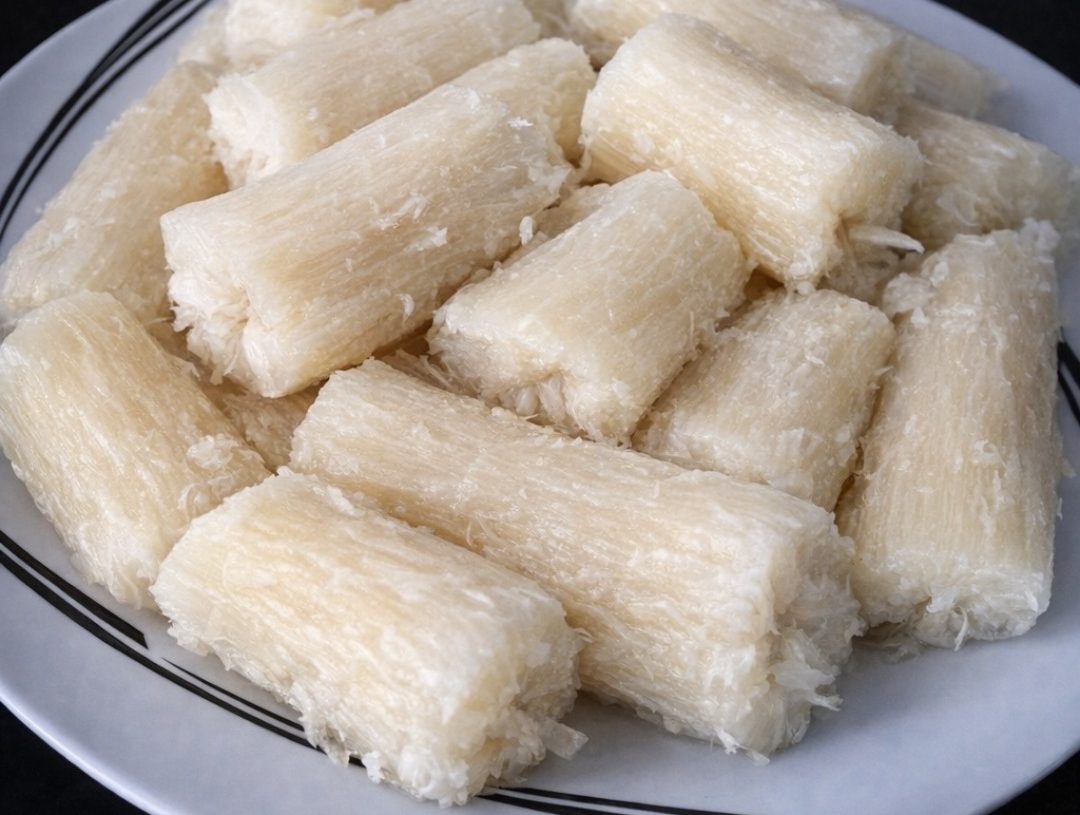
Doctor Reveals What Eating Cassava Causes: Benefits, Risks, and What You Need to Know
cassava is a widely consumed root vegetable in many parts of the world, valued for its energy content and versatility. However, you may have seen alarming headlines about what eating cassava “causes.” The truth is more balanced—cassava can be both beneficial and risky depending on how it is prepared and consumed.
Understanding the facts can help you enjoy it safely.
What Is Cassava?
cassava is a starchy root that provides carbohydrates, making it an important energy source in many traditional diets. It is used to make foods like flour, tapioca, and various cooked dishes.
When properly prepared, cassava can be part of a healthy diet.
Benefits of Eating Cassava
One of the main advantages of cassava is its ability to provide quick energy due to its carbohydrate content. This makes it useful for people who need sustained fuel throughout the day.
It is also naturally gluten-free, which makes it a suitable option for individuals who avoid gluten.
Cassava contains small amounts of vitamin C and other nutrients, contributing modestly to overall nutrition.
Risks You Should Know
The concern around cassava comes from naturally occurring compounds called cyanogenic glycosides. If cassava is eaten raw or not properly prepared, these compounds can release cyanide in the body.
This is why traditional preparation methods—such as soaking, fermenting, and thorough cooking—are essential to make cassava safe to eat.
Improper preparation over time may lead to health issues, especially in large amounts.
Possible Effects of Overconsumption
Eating large quantities of poorly prepared cassava may cause symptoms like dizziness, headaches, or digestive discomfort.
In extreme cases, long-term exposure to these compounds can affect the nervous system. However, such cases are usually linked to improper preparation and heavy reliance on cassava without dietary variety.
When consumed correctly and in moderation, these risks are greatly reduced.
How to Eat Cassava Safely
Always cook cassava thoroughly before eating it. Boiling, baking, or frying helps reduce harmful compounds.
Avoid eating raw cassava or tasting it before it is fully cooked.
If using cassava flour or processed products, they are generally safe because they have already been treated.
Balance your diet with other foods to ensure proper nutrition.
A Balanced Perspective
cassava is neither a “dangerous food” nor a miracle ingredient. Like many foods, its effects depend on how it is used.
Proper preparation makes it safe and enjoyable, while poor handling can increase risks.
What You Should Remember
Eating cassava can provide energy and be part of a balanced diet, but it must always be prepared correctly.
Understanding both the benefits and the risks allows you to make informed choices and enjoy this traditional food safely.
Sometimes, the difference between a healthy food and a harmful one comes down to knowledge and preparation.