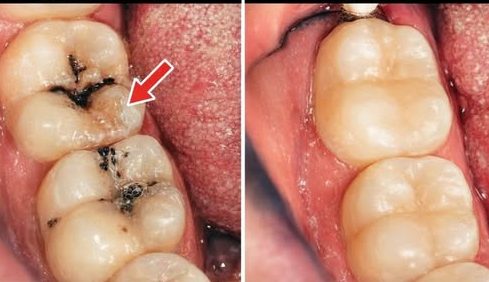
Early tooth decay can be worrying, especially when you start noticing sensitivity, small white spots on your teeth, or mild discomfort when eating something sweet or cold. The good news is that in its earliest stage, tooth decay may be slowed or even partially reversed with the right habits. While advanced cavities always require professional care, early enamel damage can often be supported naturally through consistent daily practices.
To understand how this works, it’s important to know what happens during early decay. Tooth enamel, the hard outer layer of your teeth, constantly goes through a process called demineralization and remineralization. When acids from food and bacteria weaken the enamel, minerals like calcium and phosphate are lost. However, with proper care, these minerals can be replenished, helping to strengthen the tooth surface again.
One of the most important steps is maintaining proper oral hygiene. Brushing your teeth at least twice a day with fluoride toothpaste helps protect enamel and reduce harmful bacteria. Flossing daily removes food particles and plaque from between teeth, where decay often begins. Consistency is key, as skipping even a few days can allow plaque buildup to progress.
Diet also plays a major role in supporting tooth health. Reducing sugar intake is essential because sugar feeds the bacteria that produce acid in the mouth. Instead, focus on nutrient-rich foods that support remineralization. Dairy products like cheese and yogurt provide calcium, while leafy greens and nuts also contribute essential minerals. Drinking plenty of water helps rinse away food particles and maintain saliva production, which naturally protects the teeth.
Saliva is one of the body’s best defenses against tooth decay. It neutralizes acids and carries minerals back to the enamel. Chewing sugar-free gum can help stimulate saliva flow, especially after meals. Staying hydrated throughout the day also supports this natural protective process.
Some natural approaches may complement your routine. For example, oil pulling with coconut oil is a traditional practice that some people use to reduce bacteria in the mouth. Swishing a small amount of oil for several minutes may help support oral cleanliness, although it should never replace brushing and flossing.
Another helpful habit is avoiding frequent snacking. Every time you eat, acids are produced in the mouth. Constant snacking keeps acid levels high, preventing enamel from recovering. Giving your teeth time between meals allows saliva to restore balance and protect your enamel.
It is also important to pay attention to early warning signs. White spots on teeth, mild sensitivity, or rough areas on the enamel may indicate early decay. Taking action at this stage can make a significant difference in preventing further damage.
However, it’s essential to be realistic. Natural methods can support early enamel repair, but they cannot fix deep cavities or severe decay. If pain becomes persistent or visible holes appear in the teeth, professional dental care is necessary.
Regular dental checkups should not be avoided, even if you are focusing on natural care. Dentists can detect issues early and provide guidance to prevent more serious problems. Preventive care is always easier and less invasive than treating advanced decay.
In the end, supporting early tooth decay naturally is about building strong daily habits. Good oral hygiene, a balanced diet, proper hydration, and mindful eating patterns all work together to protect and strengthen your teeth. By staying consistent and addressing problems early, you can reduce the risk of serious dental issues and maintain a healthier smile over time.