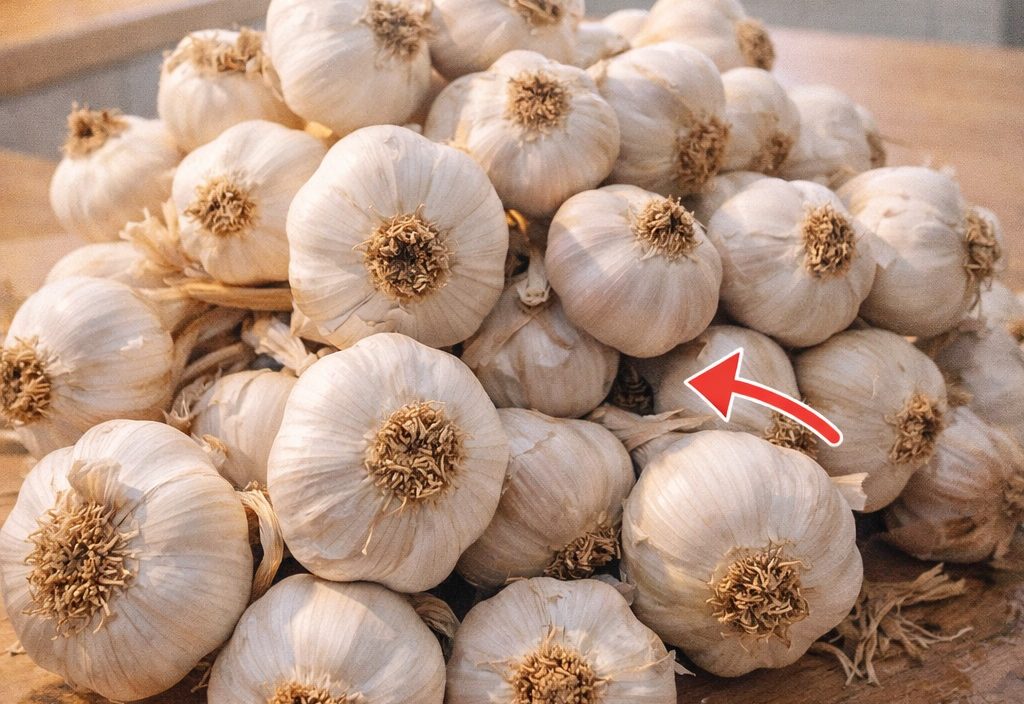
garlic has been used for centuries in traditional medicine and cooking, often praised for its potential health benefits. You may have seen bold claims online suggesting that garlic is a “natural antibiotic” capable of killing numerous types of bacteria and infections. But how accurate are these statements?
Let’s take a closer look at what science and traditional use actually tell us.
What Makes Garlic Special?
Garlic contains a natural compound called allicin, which is released when fresh garlic is crushed or chopped. Allicin is known for its antimicrobial properties and is the main reason garlic is often associated with fighting bacteria.
Laboratory studies have shown that garlic extracts can act against certain bacteria, fungi, and even some viruses under controlled conditions. This is why garlic has earned a reputation as a natural antimicrobial agent.
Where the “14 Bacteria and 13 Infections” Claim Comes From
Claims like “kills 14 types of bacteria” are often based on lab studies (in vitro research), where garlic compounds are tested directly on microorganisms in a controlled environment.
While these findings are interesting, they do not always translate directly to real-life effects in the human body. The concentration of garlic compounds used in labs is often much higher than what you would consume in food.
So, while garlic does show antimicrobial activity, the numbers often shared online can be misleading or exaggerated.
Can Garlic Replace Antibiotics?
The short answer is no.
Although garlic has beneficial properties, it cannot replace prescribed antibiotics when treating serious bacterial infections. Medical antibiotics are specifically designed, tested, and dosed to effectively eliminate infections in the body.
Relying solely on garlic for treating infections could delay proper care and potentially lead to complications.
How Garlic May Support Health
Even though it is not a replacement for medication, garlic can still be a valuable part of a healthy diet.
It may help support the immune system due to its antioxidant and antimicrobial properties. Regular consumption of garlic has also been linked to supporting heart health, including maintaining healthy blood pressure and cholesterol levels.
Adding fresh garlic to meals is a simple way to benefit from its natural compounds.
Best Ways to Use Garlic
To get the most out of garlic, it is often recommended to crush or chop it and let it sit for a few minutes before cooking. This allows allicin to form.
Garlic can be added to a wide variety of dishes, including soups, sauces, vegetables, and meats. Some people also consume it raw in small amounts, although this may be too strong for sensitive stomachs.
Moderation is important, as excessive intake may cause digestive discomfort.
A Balanced Perspective
Garlic is a powerful and beneficial natural food with a long history of use. It does have antimicrobial properties, but the idea that it can single-handedly cure multiple infections like a pharmaceutical antibiotic is an oversimplification.
Instead of viewing garlic as a cure, it is more accurate to see it as a supportive ingredient that contributes to overall health when included in a balanced diet.
For any serious or persistent infection, proper medical care remains essential.