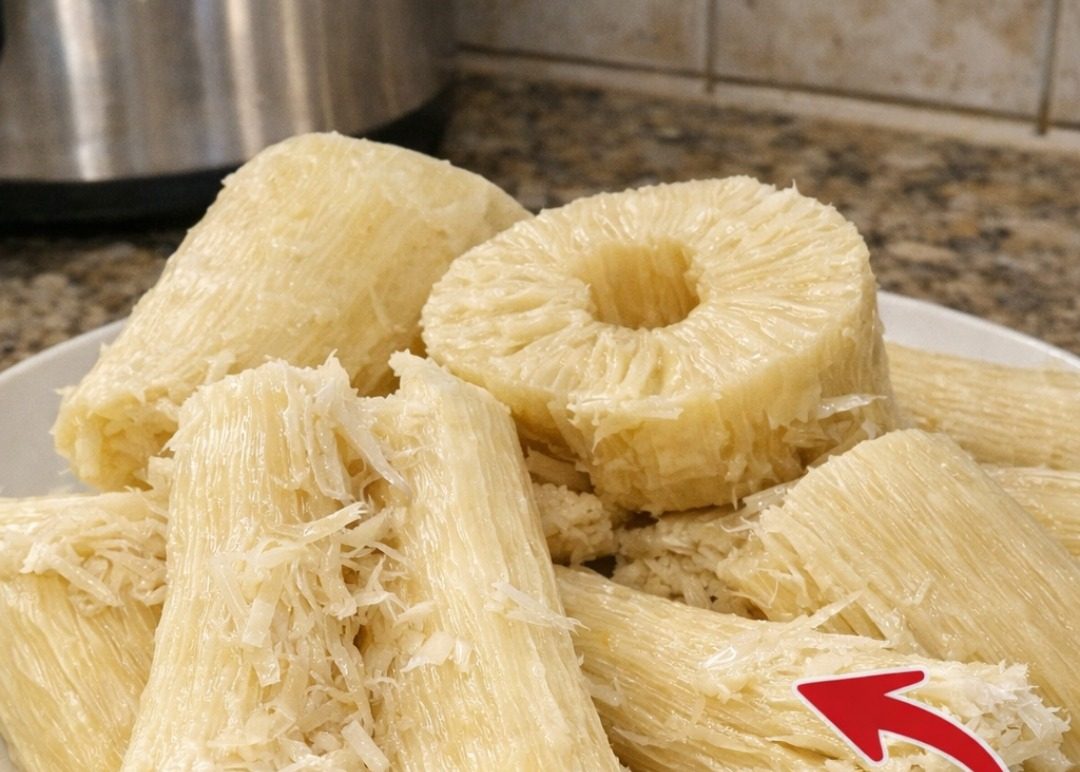
Cassava is a widely consumed root vegetable enjoyed in many parts of the world, especially in Africa, Asia, and Latin America. Known for its starchy texture and mild flavor, cassava is used in a variety of dishes such as soups, stews, baked goods, and traditional meals. It is also processed into products like tapioca and cassava flour.
Although cassava is an important food source for millions of people, health experts often emphasize that it must be prepared properly before eating. Understanding both the benefits and potential risks of cassava can help you enjoy it safely as part of a balanced diet.
What Makes Cassava So Popular
Cassava is valued for its high carbohydrate content, which provides a reliable source of energy. The root is naturally gluten-free and can be used in many recipes as an alternative to wheat-based products.
It also contains small amounts of important nutrients such as vitamin C, potassium, and certain B vitamins. Because cassava grows well in warm climates and can tolerate challenging growing conditions, it has become a staple crop in many regions.
For many communities, cassava plays an essential role in daily nutrition.
Natural Compounds Found in Cassava
One important fact about cassava is that the raw root contains naturally occurring compounds called cyanogenic glycosides. When consumed raw or improperly prepared, these compounds can release small amounts of cyanide in the body.
This is why health professionals stress that cassava should never be eaten raw. Traditional preparation methods such as peeling, soaking, fermenting, drying, or thoroughly cooking help remove or reduce these compounds.
When cassava is properly prepared, it is generally considered safe to eat.
Potential Risks of Improper Preparation
Eating raw or poorly processed cassava can cause health problems because of the natural toxins it contains. In extreme cases, long-term consumption of improperly prepared cassava may contribute to certain health issues, particularly in areas where cassava is the primary food source and dietary diversity is limited.
Symptoms of exposure to these toxins may include digestive discomfort, dizziness, or other health concerns. This is why traditional cooking practices developed over generations are so important when preparing cassava.
Proper preparation significantly reduces these risks.
How Cassava Is Safely Prepared
Preparing cassava safely usually involves several important steps.
First, the thick outer skin of the cassava root should be completely removed. The root is then typically washed and cut into smaller pieces.
In many traditional methods, cassava may be soaked or fermented before cooking to help reduce natural toxins. After preparation, cassava is usually boiled, baked, fried, or steamed until fully cooked.
These processes help break down harmful compounds and make the root safe to consume.
The Nutritional Side of Cassava
When prepared properly, cassava can be part of a balanced diet. It provides energy through complex carbohydrates and can be used in many versatile recipes.
Cassava flour and tapioca are also popular gluten-free ingredients used in baking and cooking.
However, because cassava is relatively low in protein and certain nutrients, it is often best consumed alongside other foods such as vegetables, legumes, fish, or meat to create a more balanced meal.
Moderation and Balance Are Key
Like many foods, cassava is best enjoyed in moderation as part of a varied diet. Relying too heavily on a single food source may limit nutritional variety.
Combining cassava with other nutrient-rich foods helps provide the vitamins, minerals, and proteins the body needs for overall health.
People who regularly eat cassava often balance their meals with leafy greens, beans, or other protein-rich foods.
An Important Food with a Long Tradition
Cassava has been a staple food for centuries and continues to play an important role in many cultures and cuisines. When prepared using traditional methods and eaten as part of a balanced diet, it can be a valuable source of energy and a versatile ingredient in the kitchen.
Understanding how to prepare cassava safely allows people to enjoy this popular root while reducing potential risks and supporting healthy eating habits.