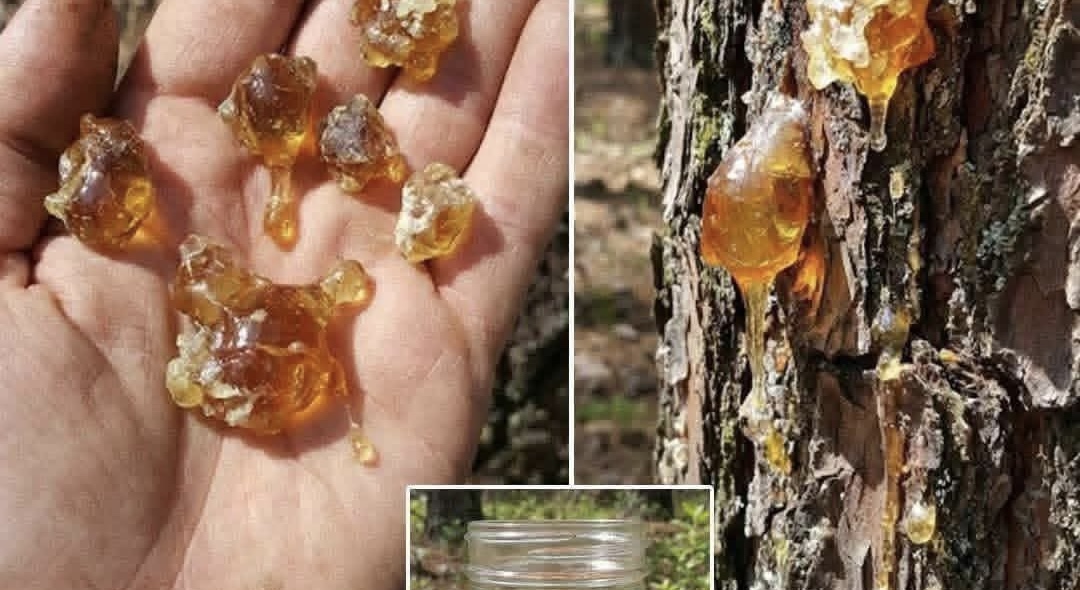
Pine tree resin, often called pine sap, is a sticky natural substance produced by pine trees when their bark is damaged. This golden, aromatic material has been used for centuries in traditional medicine, crafts, and natural remedies. Today, pine resin is still valued for its natural antibacterial properties, healing potential, and versatile applications.
In this guide, we explore what pine tree resin is, how it forms, its traditional uses, potential benefits, and safe ways people use it today.
What Is Pine Tree Resin?
Pine tree resin is a thick, sticky liquid produced by pine trees as a natural defense mechanism. When a tree’s bark is cut or damaged, the resin flows out to protect the tree from insects, fungi, and infections.
Over time, the resin hardens and forms amber-like crystals that can be collected.
This natural substance contains several plant compounds, including:
- Terpenes
- Resin acids
- Essential oils
- Natural antimicrobial compounds
These compounds are responsible for the resin’s distinct smell and potential protective properties.
How Pine Resin Forms Naturally
When a pine tree is injured by wind, animals, or insects, the tree releases resin from special channels inside the wood.
This resin acts as a natural sealant, helping the tree:
- Close wounds
- Prevent bacterial infections
- Stop insect attacks
- Protect inner tissues
As the resin comes into contact with air, it slowly thickens and hardens.
This is why you often see golden drops of hardened resin on pine tree trunks.
Traditional Uses of Pine Tree Resin
For thousands of years, people around the world have used pine resin for practical and medicinal purposes.
Natural Wound Protection
In traditional herbal medicine, pine resin was sometimes applied to minor cuts or wounds because of its natural antibacterial properties.
It was believed to help:
- Protect the skin
- Prevent infection
- Support natural healing
Many ancient cultures used pine resin in healing salves and balms.
Natural Fire Starter
One of the most common uses of pine resin is as a fire starter.
Because resin is highly flammable, it burns easily even when wood is damp. Campers and outdoor survival experts often use pine resin to start fires in wet conditions.
Natural Glue and Adhesive
Pine resin was historically used as a natural glue.
When heated and mixed with charcoal or plant fibers, resin becomes a strong adhesive that was used to:
- Repair pottery
- Attach stone tools
- Waterproof containers
This technique dates back thousands of years.
Traditional Incense and Aromatherapy
When burned, pine resin releases a pleasant forest-like aroma.
Because of this, it has been used as a natural incense for:
- Meditation
- Spiritual rituals
- Air purification practices
The scent of pine is often associated with relaxation and nature.
Potential Natural Properties of Pine Resin
Modern studies show that pine resin contains plant compounds that may have beneficial properties.
Some of the natural properties associated with pine resin include:
- Antibacterial activity
- Anti-inflammatory compounds
- Natural antioxidants
However, it is important to note that these properties are still being studied and pine resin should not replace medical treatment.
Pine Resin in Modern Products
Today, pine resin is widely used in many industries.
Cosmetics and Skin Care
Processed pine resin is sometimes used in:
- Natural skin balms
- Herbal ointments
- Lip balms
- Healing salves
These products may help moisturize and protect the skin.
Natural Cleaning Products
Some eco-friendly cleaning products include pine resin derivatives because of their natural antimicrobial properties and fresh scent.
Industrial Applications
Pine resin is also used in large-scale industries.
Common industrial uses include:
- Paint and varnish production
- Adhesives and glues
- Printing inks
- Soap manufacturing
It is an important raw material in many everyday products.
Is Pine Resin Safe to Use?
While pine resin has many traditional uses, it should be used with caution.
Some people may experience skin irritation or allergic reactions when applying raw resin directly to the skin.
Safety recommendations include:
- Avoid using raw resin on sensitive skin
- Do not ingest raw tree resin
- Use properly processed products for skin care
If irritation occurs, the area should be washed with warm water and soap.
Environmental Importance of Pine Trees
Pine trees are extremely important for ecosystems around the world.
They help:
- Produce oxygen
- Provide habitat for wildlife
- Prevent soil erosion
- Support forest biodiversity
The resin they produce also helps protect forests by defending trees against pests and diseases.
Pine Resin vs Amber
Many people confuse pine resin with amber.
Amber is actually fossilized tree resin that has hardened over millions of years.
Fresh pine resin is soft and sticky, while amber is solid and stone-like.
Amber is often used in jewelry and decorative items.
How Pine Resin Is Collected
In some regions, pine resin is harvested carefully from trees.
Workers make small cuts in the bark, allowing resin to slowly flow out. The hardened resin is then collected and processed.
Sustainable harvesting practices ensure that trees remain healthy and continue producing resin.
Natural Remedies vs Medical Treatment
Although pine resin has been used in traditional remedies, it is important to understand that natural substances are not miracle cures.
Claims that pine resin can cure serious diseases such as:
- Cancer
- Diabetes
- Heart disease
are not supported by scientific evidence.
Natural remedies should always be used responsibly and should never replace professional medical care.
The Cultural History of Pine Resin
Pine resin has been used by many ancient civilizations.
For example:
- Ancient Egyptians used resin in embalming.
- Native American tribes used it for medicinal salves.
- Greeks and Romans used it in incense and waterproofing.
Its long history shows how valuable this natural material has been to different cultures.
Conclusion
Pine tree resin is a fascinating natural substance produced by trees to protect themselves from damage and infection. For centuries, people have used it for practical purposes such as fire starting, natural adhesives, traditional salves, and incense.
While pine resin contains natural compounds that may have beneficial properties, it should be used carefully and responsibly. It is best appreciated as a traditional natural resource rather than a miracle cure.
Understanding natural substances like pine resin helps us appreciate the incredible ways nature supports both forests and human life.