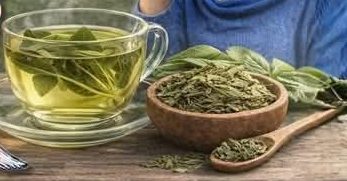
Unlock the Healing Power of Basil: A Homemade Infusion to Support Wellness Naturally
Basil has been valued for centuries in traditional herbal practices for its aromatic flavor and potential health-supporting properties. While bold claims sometimes suggest it can “fight cancer,” it’s important to approach such statements carefully. No homemade infusion can cure or treat cancer. However, basil may offer antioxidant and anti-inflammatory compounds that support overall health when included in a balanced lifestyle.
Let’s explore what basil can realistically offer and how to prepare a simple homemade infusion safely.
What Is Basil?
Ocimum basilicum is a fragrant herb commonly used in Mediterranean and Asian cuisines. Beyond its culinary uses, basil contains plant compounds such as flavonoids, polyphenols, and essential oils that contribute to its potential wellness benefits.
There are also other varieties like holy basil (Tulsi), but culinary basil is widely available and easy to use at home.
Potential Health Benefits of Basil
- Rich in Antioxidants
Basil contains antioxidants that help protect cells from oxidative stress. Oxidative stress is linked to aging and various chronic diseases. - Supports Immune Health
Its natural compounds may help support the immune system as part of a nutrient-rich diet. - May Help Reduce Inflammation
Some research suggests basil contains anti-inflammatory properties that may support overall wellness. - Supports Digestive Comfort
Basil has traditionally been used to ease occasional bloating and digestive discomfort. - May Support Heart Health
The antioxidants in basil may contribute to cardiovascular wellness when combined with healthy lifestyle habits.
Important Note About Cancer Claims
While laboratory studies have examined certain basil compounds for their biological activity, drinking basil tea or infusion does not treat, cure, or prevent cancer. Cancer is a complex medical condition that requires professional diagnosis and evidence-based treatment.
Herbal infusions can support general health, but they should never replace medical care.
How to Make a Simple Basil Infusion
Ingredients
1 handful of fresh basil leaves (or 1 tablespoon dried basil)
2 cups of water
Optional: lemon slice or a teaspoon of honey
Instructions
Bring water to a gentle boil.
Add basil leaves.
Cover and let steep for 10–15 minutes.
Strain and allow to cool slightly before drinking.
You can enjoy this infusion warm or chilled.
How Often Can You Drink It?
1 to 2 cups per day is generally considered moderate for most healthy adults. Consistency matters more than quantity.
Who Should Be Cautious?
People taking blood-thinning medications should consult a healthcare provider before consuming large amounts of basil, as it contains vitamin K.
Pregnant or breastfeeding individuals should seek medical advice before using herbal remedies regularly.
Anyone undergoing cancer treatment should consult their doctor before adding herbal supplements.
Supporting Your Health Beyond Herbal Tea
True long-term wellness comes from a combination of:
Balanced nutrition
Regular physical activity
Quality sleep
Stress management
Regular medical checkups
Herbal infusions like basil tea can complement these habits, but they are not a standalone solution.
Final Thoughts
Basil is a flavorful herb rich in antioxidants and plant compounds that may support overall health. A homemade basil infusion can be a soothing and natural addition to your daily routine.