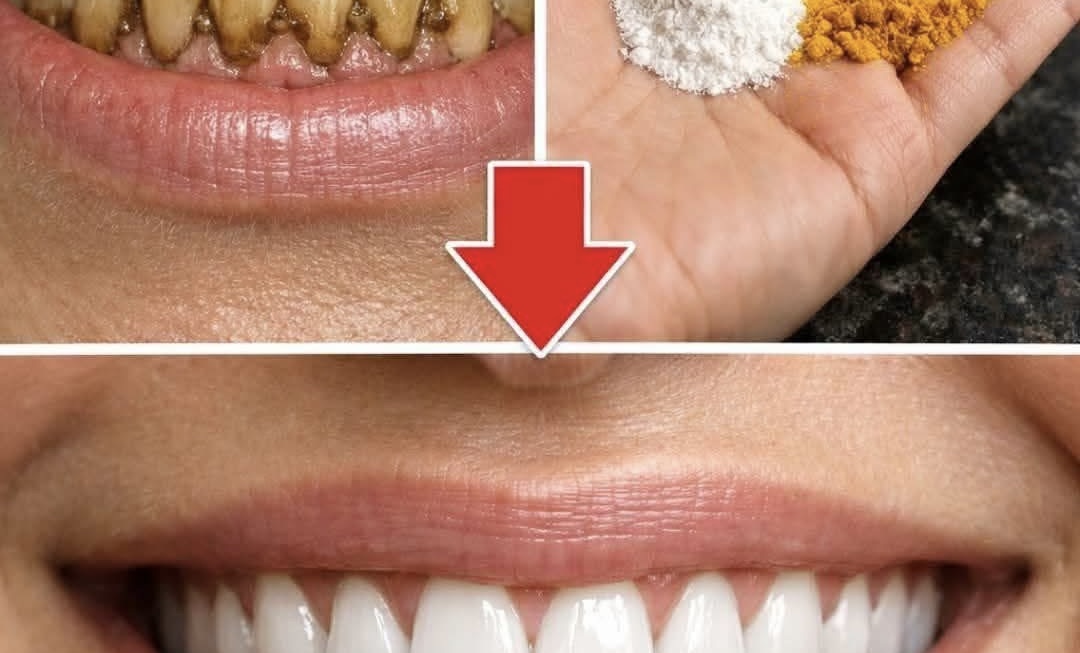
A bright, white smile is often associated with confidence, good oral hygiene, and overall health. Many people search for natural teeth whitening remedies to remove stains and improve their smile without expensive dental procedures. Social media often promotes mixtures like baking soda and turmeric as instant whitening solutions. But do these home remedies really work?
In this comprehensive guide, we explore natural teeth whitening methods, their safety, potential risks, and what dentists recommend for achieving a healthier, brighter smile.
Why Do Teeth Become Yellow?
Before exploring whitening methods, it’s important to understand why teeth become stained or discolored.
1. Food and Drinks
Common causes of teeth staining include:
- Coffee
- Tea
- Red wine
- Soda
- Dark-colored berries
These beverages contain pigments that attach to tooth enamel.
2. Smoking
Nicotine and tobacco are major causes of yellow or brown stains.
3. Poor Oral Hygiene
Inadequate brushing and flossing allow plaque buildup, which can cause discoloration.
4. Aging
Over time, enamel naturally thins, revealing the yellowish dentin underneath.
Popular Natural Teeth Whitening Remedies
Many home remedies claim to remove stains quickly. Let’s examine the most common ones.
Baking Soda for Teeth Whitening
Baking soda (sodium bicarbonate) is a mild abrasive commonly found in toothpaste.
Benefits:
- Helps remove surface stains
- Neutralizes acids in the mouth
- May reduce plaque buildup
Risks:
- Excessive use can wear down enamel
- Overuse may cause tooth sensitivity
Dentists generally agree that baking soda can help remove surface stains, but it should be used in moderation.
Turmeric for Teeth Whitening
Turmeric is widely known for its anti-inflammatory and antioxidant properties. Despite its bright yellow color, some claim it can whiten teeth.
Possible Benefits:
- Natural antibacterial properties
- May reduce gum inflammation
- Supports overall oral health
Important Note:
There is limited scientific evidence supporting turmeric as an effective whitening agent. It may improve gum health, but dramatic whitening results are unlikely.
Coconut Oil Pulling
Oil pulling involves swishing coconut oil in the mouth for 10–20 minutes.
Claimed Benefits:
- Reduces harmful bacteria
- Freshens breath
- Supports gum health
While oil pulling may improve oral hygiene, it does not significantly whiten teeth beyond removing minor surface buildup.
Hydrogen Peroxide (Use with Caution)
Hydrogen peroxide is commonly used in professional whitening products.
Benefits:
- Breaks down stains
- Whitens teeth effectively
Warning:
Using concentrated hydrogen peroxide without professional guidance can damage gums and enamel. Always consult a dentist before trying at-home whitening with peroxide.
Does Natural Whitening Really Work?
Natural remedies may help remove surface stains, but they cannot change the natural color of your teeth or provide dramatic whitening results.
Professional whitening treatments penetrate enamel and break down deeper stains. Home remedies mostly address superficial discoloration.
Safe Ways to Whiten Teeth at Home
If you want effective yet safe teeth whitening, consider these dentist-approved options:
1. Whitening Toothpaste
Contains mild abrasives and safe whitening agents.
2. Whitening Strips
Over-the-counter strips can lighten teeth gradually when used correctly.
3. Custom Whitening Trays
Provided by dentists for safe and even whitening.
Oral Hygiene Tips for a Brighter Smile
Instead of relying solely on natural remedies, focus on daily oral care habits.
Brush Twice Daily
Use fluoride toothpaste and brush for at least two minutes.
Floss Daily
Removes plaque between teeth where stains accumulate.
Rinse After Coffee or Tea
Rinsing with water reduces staining effects.
Regular Dental Cleanings
Professional cleanings remove tartar and deep stains.
Foods That Support White Teeth
Certain foods naturally help maintain a bright smile:
- Apples
- Strawberries (contain malic acid)
- Celery
- Carrots
- Dairy products
These foods stimulate saliva production and gently clean tooth surfaces.
Foods and Habits to Avoid
To prevent staining:
- Limit sugary drinks
- Reduce coffee and red wine
- Avoid smoking
- Use a straw for dark beverages
Prevention is often more effective than whitening.
Risks of Over-Whitening
Excessive whitening can cause:
- Tooth sensitivity
- Enamel damage
- Gum irritation
Healthy enamel is essential for strong teeth. Once enamel is worn away, it does not regenerate.
Are DIY Whitening Recipes Safe?
Many online DIY recipes mix baking soda, lemon juice, charcoal, or turmeric. However:
- Lemon juice is acidic and can erode enamel
- Activated charcoal may be too abrasive
- Excessive scrubbing damages protective enamel
Always approach DIY remedies cautiously.
Professional Teeth Whitening vs. Natural Remedies