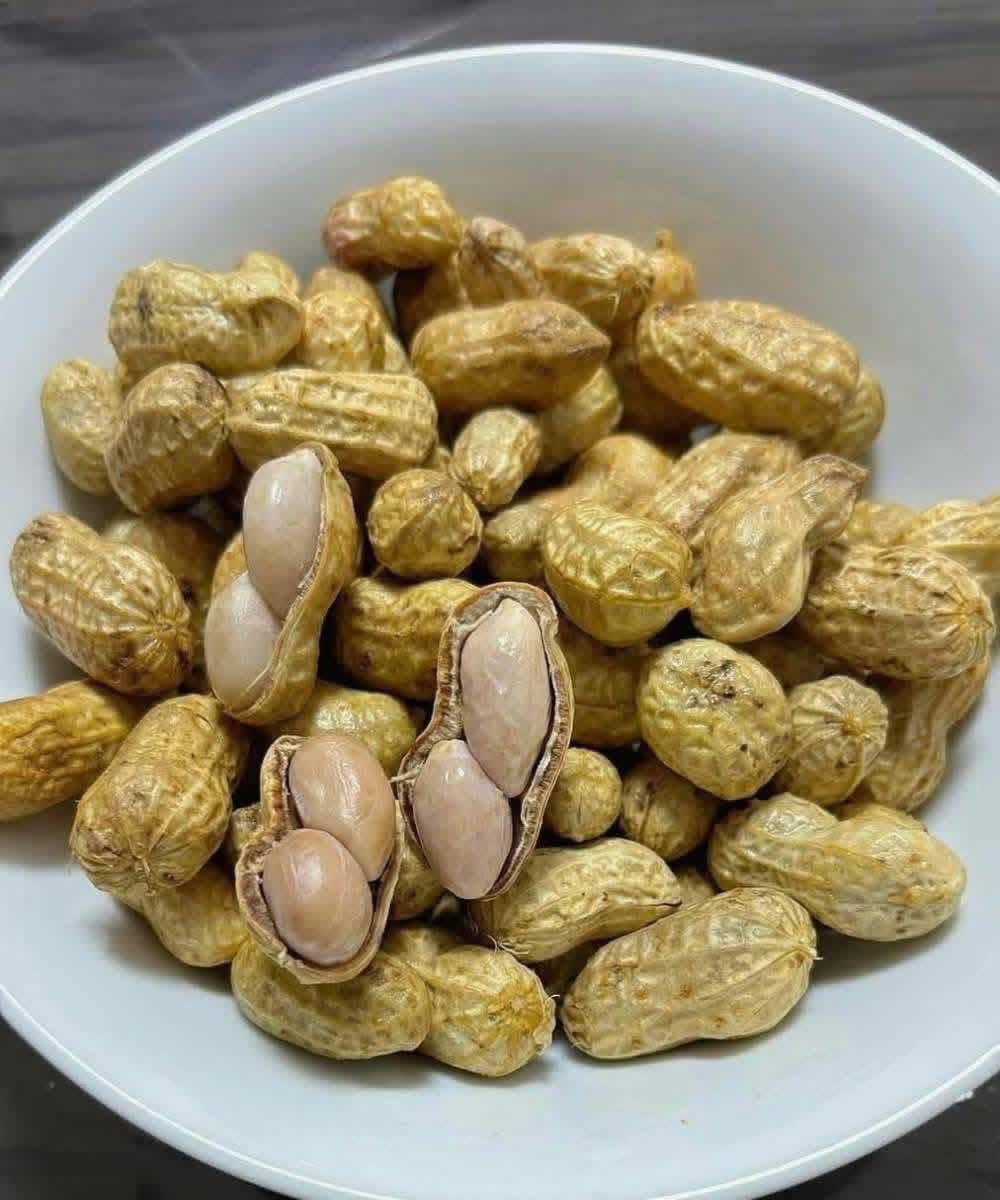
Doctors Reveal What Eating Peanuts Can Really Do to Your Body
Peanuts are one of the most widely consumed snack foods in the world. Affordable, convenient, and packed with nutrients, they are often praised for their health benefits. But what really happens to your body when you eat peanuts regularly?
Let’s take a science-based look at how peanuts may support your health—and when you should be cautious.
What Are Peanuts?
Arachis hypogaea is technically a legume, not a true nut. However, nutritionally, peanuts are similar to tree nuts because they are rich in healthy fats, protein, and fiber.
They can be eaten raw, roasted, boiled, or as peanut butter.
- Supports Heart Health
Peanuts contain monounsaturated and polyunsaturated fats, the same types of heart-friendly fats found in olive oil and avocados. These healthy fats may help support balanced cholesterol levels when eaten in moderation.
Peanuts also contain magnesium and antioxidants, which contribute to overall cardiovascular wellness.
- Provides Plant-Based Protein
Peanuts are a good source of plant-based protein, making them a satisfying snack. Protein helps maintain muscle mass, supports metabolism, and promotes fullness.
Including protein-rich foods like peanuts can help reduce cravings and support weight management goals.
- May Help With Weight Control
Although peanuts are calorie-dense, research suggests that moderate consumption does not necessarily lead to weight gain. Their combination of protein, fiber, and healthy fats promotes satiety, helping you feel full longer.
Portion control remains important. A small handful (about 28 grams) is generally considered a reasonable serving.
- Supports Blood Sugar Balance
Peanuts have a low glycemic index, meaning they do not cause rapid spikes in blood sugar when eaten alone. Their healthy fat and protein content slow digestion and support more stable energy levels.
This may be beneficial for individuals managing blood sugar levels, though those with diabetes should monitor total intake.
- Rich in Antioxidants
Peanuts contain resveratrol and other antioxidants that help protect cells from oxidative stress. Antioxidants play a role in reducing inflammation and supporting overall long-term health.
Interestingly, roasted peanuts may contain even higher antioxidant levels compared to raw ones.
- Supports Brain Function
Peanuts provide vitamin E and niacin, nutrients linked to cognitive health. Vitamin E acts as an antioxidant that helps protect brain cells, while niacin supports nervous system function.
While peanuts are not a cure for memory issues, they can be part of a brain-supportive diet.
- May Improve Digestive Health
The fiber in peanuts helps support healthy digestion and feeds beneficial gut bacteria. A healthy gut plays a role in immunity, mood balance, and nutrient absorption.
Are There Any Risks?
While peanuts offer many benefits, some individuals should be cautious.
Peanut Allergies
Peanut allergy is one of the most common and potentially severe food allergies. Even small amounts can cause serious reactions in sensitive individuals.
Calorie Density
Because peanuts are high in calories, overeating may contribute to weight gain.
Added Ingredients
Salted or sugar-coated peanuts may increase sodium or sugar intake. Choosing unsalted or dry-roasted varieties is often a healthier option.
Aflatoxins
Peanuts can sometimes contain naturally occurring compounds called aflatoxins. Reputable food safety standards help reduce this risk in commercially sold products.
How to Add Peanuts to a Balanced Diet
Snack on a small handful of unsalted peanuts
Add crushed peanuts to salads or stir-fries
Spread natural peanut butter on whole-grain toast
Blend peanut butter into smoothies
Mix peanuts into yogurt for extra protein
Moderation is key to gaining benefits without excess calories.
Final Thoughts
Eating peanuts in moderation may support heart health, provide plant-based protein, improve satiety, support blood sugar balance, and offer antioxidant protection. They are a nutrient-dense food that can be part of a balanced diet