Are You Overlooking These 7 Silent Signs of Nutrient Deficiencies in Older Adults?
As we age, our nutritional needs change. The body may absorb nutrients less efficiently, appetite can decrease, and certain medications may interfere with vitamin and mineral levels. Unfortunately, nutrient deficiencies in older adults often develop slowly and quietly. The symptoms can be subtle and easily mistaken for “normal aging.”
Recognizing these early warning signs can help support better health, energy, and overall quality of life.
- Constant Fatigue and Weakness
Feeling tired all the time is not always just a part of getting older. Persistent fatigue may be linked to low levels of iron, vitamin B12, or vitamin D.
Vitamin B12 deficiency is especially common in seniors because absorption decreases with age. Low B12 levels can also lead to weakness, pale skin, and even shortness of breath. Iron deficiency may reduce oxygen delivery throughout the body, causing exhaustion.
If fatigue is ongoing and unexplained, it may be worth discussing blood testing with a healthcare provider.
- Memory Problems and Brain Fog
Occasional forgetfulness can happen at any age, but frequent confusion, difficulty concentrating, or brain fog may be related to nutrient imbalances.
Low levels of vitamin B12 and omega-3 fatty acids have been associated with cognitive changes. Adequate nutrition plays a key role in supporting brain health, especially in older adults.
A balanced diet that includes leafy greens, healthy fats, and quality protein can help support mental clarity.
- Frequent Muscle Cramps
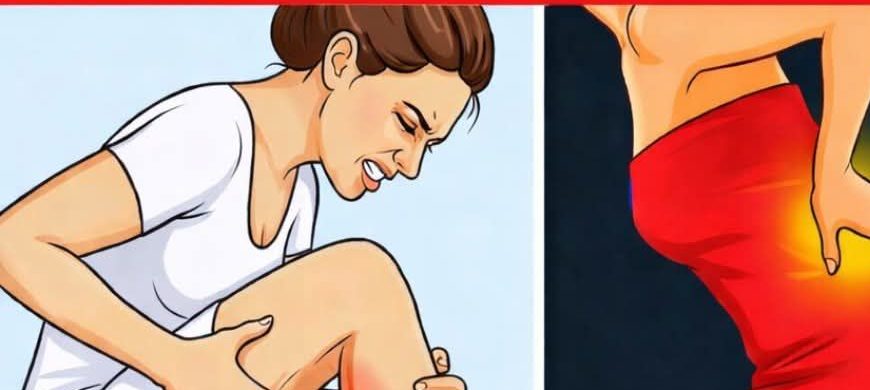
Muscle cramps or spasms, particularly in the legs, may signal low magnesium, potassium, or calcium levels. These minerals are essential for proper muscle and nerve function.
Dehydration can also worsen mineral imbalances. Older adults may not always feel thirsty, increasing the risk of electrolyte deficiencies.
Ensuring proper hydration and mineral intake may help reduce uncomfortable cramps.
- Slow Wound Healing
If cuts or bruises take longer than usual to heal, the body may be lacking certain nutrients.
Vitamin C supports collagen production and immune function, both of which are essential for healing. Zinc also plays a key role in tissue repair.
A diet rich in fruits, vegetables, nuts, and seeds can help support the body’s natural recovery processes.
- Brittle Nails and Hair Thinning
Hair thinning and fragile nails are often linked to low levels of biotin, iron, or protein.
Protein is particularly important for maintaining healthy hair and nails. Older adults sometimes eat less protein due to reduced appetite or dental issues, which can contribute to visible changes in hair and nail strength.
Adding eggs, legumes, fish, and lean meats to meals may help support healthy growth.
- Mood Changes and Irritability
Mood swings, low motivation, or mild depression can sometimes be connected to nutrient deficiencies.
Vitamin D, B vitamins, and omega-3 fatty acids are important for supporting emotional balance. Many older adults have low vitamin D levels, especially those who spend limited time outdoors.
Safe sunlight exposure and nutrient-rich foods may help support overall mood stability.
- Numbness or Tingling in Hands and Feet
Tingling sensations or numbness in the extremities can be linked to vitamin B12 deficiency. Over time, low B12 may affect nerve function.
Because this symptom can also be associated with other medical conditions, it should not be ignored. Early detection and treatment are important for preventing long-term nerve damage.
Why Nutrient Deficiencies Are Common in Older Adults
Several factors increase the risk of deficiencies in seniors:
Reduced appetite
Digestive changes that limit absorption
Chronic health conditions
Medication interactions
Limited food variety
Social isolation affecting meal quality
Even individuals who eat regularly may not be getting adequate amounts of essential vitamins and minerals.
How to Support Proper Nutrition After 60
Regular health checkups and blood tests can help identify deficiencies early. In many cases, improving diet quality or using supplements under medical supervision can restore balance.
Focus on:
Colorful fruits and vegetables
Lean proteins
Whole grains
Healthy fats
Adequate hydration
Consulting a healthcare professional before starting supplements is especially important for older adults who take medications.
Final Thoughts
Nutrient deficiencies in older adults often develop quietly, with symptoms that are easy to overlook. Persistent fatigue, memory issues, muscle cramps, slow healing, brittle nails, mood changes, and tingling sensations are all potential warning signs.
By paying attention to these subtle clues and maintaining a balanced diet, older adults can support their strength, independence, and overall well-being. Early awareness makes a meaningful difference in long-term health.