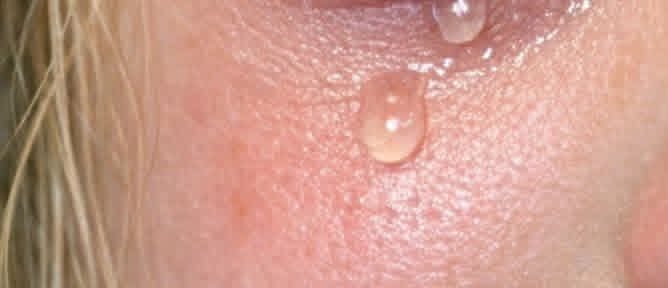
My daughter just woke up screaming with this giant lump on her eyelid. It looks infected. We are hours from an ER. What is this?
It is one of the most frightening moments a parent can experience. A child wakes up in the middle of the night crying in pain, holding their eye, and you notice a large swollen lump on the eyelid. The swelling looks sudden, red, and possibly infected. You are far from a hospital or emergency room, and your mind immediately jumps to the worst possibilities: infection, insect bite, vision damage, or something serious.
Take a breath first. In most cases, a sudden lump on a child’s eyelid is not dangerous and does not cause permanent damage to vision. Although it looks dramatic and alarming, the most common cause is a condition called a stye (also known medically as a hordeolum). Another possibility is a chalazion, and sometimes an insect bite or minor eyelid infection can look very similar.
Understanding what you are seeing will help you stay calm and take the right steps safely at home until you can reach a doctor if needed.
A stye is a small infection of an oil gland in the eyelid. The eyelids contain tiny glands that produce oil to keep the eyes lubricated. Sometimes bacteria — usually normal skin bacteria — enter one of these glands and block it. When that happens, pus and inflammation build up quickly, and the eyelid becomes swollen, painful, and tender.
Children often wake up with it suddenly because the blockage and infection develop during sleep. Overnight, fluid accumulates and the eyelid swells more dramatically than it would during the day. This is why parents often describe their child going to bed normal and waking up with a large bump.
The appearance can be shocking. The eyelid may be puffy, red, and warm. There might be a yellow or white center forming. The eye itself may water constantly. Your child may refuse to open the eye because blinking hurts. Sometimes the entire eyelid looks swollen, making it appear much worse than it actually is.
The important thing to notice is the location. A stye usually forms right along the eyelash line or near the edge of the eyelid. The child will complain of pain when touching the bump, and pressing it will hurt.
A chalazion is slightly different. It is also caused by a blocked oil gland, but instead of active infection, it is more of a trapped oil swelling. A chalazion is usually less painful but can become large. However, chalazions typically develop slowly over days or weeks, not suddenly overnight. If the swelling appeared rapidly and your child woke up crying, a stye is far more likely.
Parents often think the eye itself is infected. Fortunately, most of the time the eyeball is completely fine. The problem is in the eyelid tissue, not inside the eye. Vision usually remains normal, although swelling may temporarily make it difficult for the child to open the eye.
Another possible cause is an insect bite. Mosquitoes and small night insects are attracted to the warmth and moisture around the eyes. The eyelid skin is very thin, so even a minor bite can create dramatic swelling. An insect bite tends to itch more than hurt and usually lacks a pus-filled center. The eyelid may look very puffy but not especially tender.
Parents often worry about pink eye (conjunctivitis). Pink eye usually causes redness inside the eye, discharge, and sticky eyelashes, not a single painful lump. It rarely produces a localized bump on the eyelid itself.
So what should you do if you are far from a hospital?
The most important and helpful treatment is a warm compress.
Warm compresses work better than any medication at this stage because they help open the blocked oil gland and allow it to drain naturally. You can safely do this at home.
Take a clean cloth and soak it in comfortably warm water. It should be warm but not hot enough to burn the skin. Wring it out and gently place it over the closed eyelid for about 10 to 15 minutes. If it cools, rewarm it. Try to repeat this 4 to 6 times during the day.
This step alone often reduces swelling within 24–48 hours.
Do not squeeze or pop the lump. This is very important. Squeezing a stye can push bacteria deeper into the eyelid and worsen infection. It may also cause spreading redness known as cellulitis, which does require medical care.
You can gently clean the eyelid if there is crusting. Use lukewarm water or diluted baby shampoo (very diluted) on a clean cotton pad and wipe from the inner corner outward. Always use a new clean pad each time.
Encourage your child not to rub the eye. Rubbing irritates the gland and slows healing. Trim fingernails if needed, especially in younger children.
Pain is usually mild to moderate. If necessary, a normal age-appropriate dose of acetaminophen (paracetamol) can help your child rest more comfortably.
Many parents think they need antibiotic eye drops immediately. In reality, most styes resolve without antibiotics. The warm compress is the primary treatment. Doctors usually only prescribe antibiotic ointment if the infection spreads beyond the small localized gland.
You should watch for warning signs. While a stye is common and harmless, certain symptoms mean you should seek medical attention as soon as possible.
If your child develops fever, the redness spreads across the entire eyelid, the eye cannot open at all, the child complains of vision problems, the eye itself becomes very red, or the swelling spreads into the cheek, this could indicate a deeper infection such as preseptal cellulitis. That situation requires evaluation by a doctor.
Also seek care if the swelling does not improve after about three days of warm compresses or lasts longer than two weeks.
The good news is that styes are extremely common in children and rarely dangerous. Pediatricians and eye doctors see them daily. The dramatic appearance causes panic, but long-term problems are very unusual.
Why do children get them?
Kids touch their eyes frequently. Hands carry bacteria. Rubbing tired eyes, especially before sleep, allows bacteria to enter the oil glands. Poor eyelid hygiene, seasonal allergies, and minor skin irritation can also contribute.
Some children are more prone than others, especially if they have oily skin, dandruff, or eczema around the eyelids.
Prevention helps. Teach children to wash hands regularly and avoid rubbing their eyes. Washing the face before bedtime and changing pillowcases often can reduce recurrence. If your child frequently gets styes, a gentle daily eyelid cleaning routine can be helpful.
Parents in rural or remote areas often feel helpless when a medical issue appears at night. Fortunately, this is one of the few conditions that looks severe but is usually manageable at home for the first 24 hours.
In many cases, the lump will form a small white head and drain on its own. After drainage, the swelling rapidly decreases and the child feels immediate relief.
It may still look bruised or slightly swollen for a few days afterward. That is normal healing.
Seeing your child wake up screaming with a swollen eyelid is terrifying. However, the most likely explanation is a simple stye — a blocked eyelid oil gland infection that almost always resolves with warm compresses and time.
Stay calm, keep the eye clean, avoid squeezing, and monitor symptoms. Even though it looks dramatic, it is usually a minor and temporary condition, not a threat to your child’s eyesight.
If you can see a doctor within a day or two, it is still a good idea for reassurance. But in the meantime, you are not helpless. Gentle care at home is actually the correct first treatment, and many children recover completely within a couple of days.