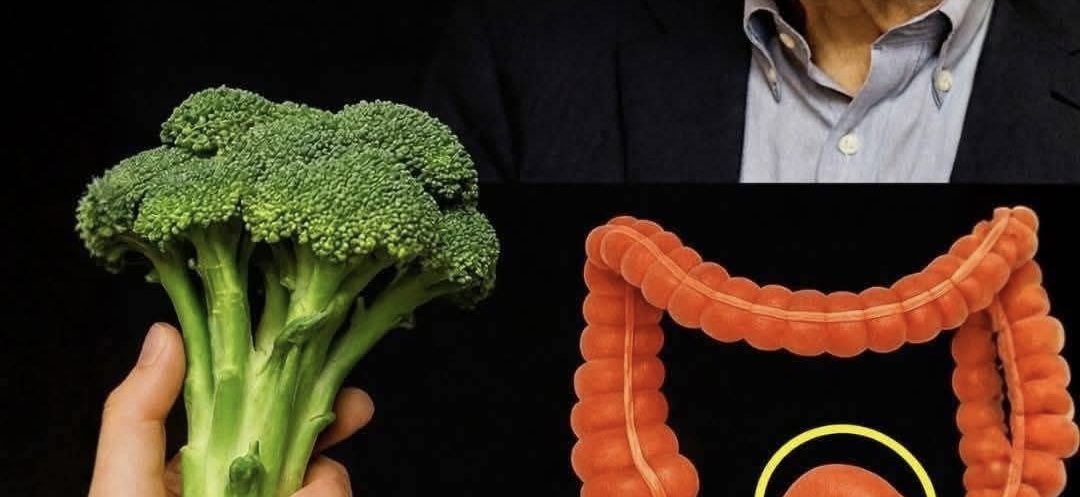
Broccoli is often described as one of the healthiest vegetables you can include in your daily diet. However, misleading headlines and viral images sometimes create confusion by suggesting extreme claims about food and health. One such claim is that certain foods may directly cause serious diseases, which can be alarming but often lacks proper context.
In reality, broccoli is widely recognized as a nutrient-rich vegetable that supports overall health. Instead of fearing foods based on exaggerated messages, it’s more helpful to understand what science says about nutrition, lifestyle, and disease prevention.
This article explores the truth about broccoli, its nutritional benefits, and how it fits into a balanced, healthy lifestyle.
Understanding the Relationship Between Diet and Health
Diet plays a major role in overall health, including how the body functions, repairs itself, and protects against illness. However, no single food can directly cause or cure complex diseases on its own.
Health outcomes are influenced by multiple factors, including:
- Daily eating habits
- Physical activity
- Genetics
- Environmental exposure
- Lifestyle choices
Focusing on long-term habits rather than single foods is the key to maintaining good health.
Nutritional Profile of Broccoli
Broccoli is part of the cruciferous vegetable family, which also includes cabbage, cauliflower, and kale. It is low in calories but packed with important nutrients.
Key nutrients found in broccoli include:
- Vitamin C for immune support
- Vitamin K for bone health
- Fiber for digestion
- Folate for cell function
- Potassium for heart health
- Antioxidants that help protect cells
Because of this rich nutritional profile, broccoli is considered a valuable addition to a balanced diet.
Antioxidants and Their Role in the Body
Broccoli contains natural compounds known as antioxidants. These help protect the body from oxidative stress, which occurs when harmful molecules damage cells.
One of the most studied compounds in broccoli is sulforaphane, which has been linked to potential protective effects in the body. While research is ongoing, including antioxidant-rich foods in your diet is widely recommended for overall wellness.
Does Broccoli Cause Cancer?
There is no scientific evidence that broccoli causes cancer. In fact, many studies suggest that diets rich in vegetables, including broccoli, may help support long-term health.
Claims that certain vegetables are harmful are often based on misunderstandings or misleading content designed to attract attention. It is important to rely on credible information and avoid making dietary decisions based on fear.
How Broccoli Supports a Healthy Lifestyle
Including broccoli in your meals can contribute to several aspects of health:
Digestive Support
The fiber in broccoli helps maintain regular digestion and supports a healthy gut environment.
Immune Function
Vitamin C and other nutrients help strengthen the immune system.
Heart Health
Broccoli may help support healthy cholesterol levels and overall cardiovascular function.
Weight Management
Low in calories and high in nutrients, broccoli is ideal for those looking to maintain or lose weight.
Best Ways to Prepare Broccoli
To get the most benefits from broccoli, preparation methods matter. Overcooking can reduce some of its nutrients, so gentle cooking is recommended.
Popular ways to prepare broccoli include:
- Steaming to preserve nutrients
- Stir-frying with garlic and olive oil
- Roasting for enhanced flavor
- Adding to soups and salads
- Blending into green smoothies
Fresh broccoli can also be eaten raw for maximum nutrient retention.
Common Myths About Healthy Foods
With the rise of social media, many myths about food have become widespread. Some of the most common include:
- A single food can cure or cause serious diseases
- Natural foods always provide instant results
- Short-term diets can replace long-term healthy habits
Understanding these myths helps you make better decisions and avoid unnecessary fear.
Building a Balanced Diet
Rather than focusing on one ingredient, aim to create a balanced diet that includes a variety of foods.
A healthy plate should include:
- Vegetables and fruits
- Whole grains
- Lean proteins
- Healthy fats
Broccoli can be an important part of this balance, but it works best when combined with other nutritious foods.
Practical Tips for Everyday Eating
To make healthy eating easier, try these simple tips:
- Add vegetables to every meal
- Choose fresh or minimally processed foods
- Stay hydrated throughout the day
- Limit added sugars and processed snacks
- Cook at home when possible
Small changes over time can lead to meaningful improvements in your overall health.
When to Be Cautious
Although broccoli is safe for most people, some individuals may need to moderate their intake, especially if they have specific medical conditions or dietary restrictions.
If you have concerns, it’s always best to consult a healthcare professional.
Final Thoughts
Broccoli is a nutritious, versatile, and widely recommended vegetable that supports overall health. Claims suggesting that it causes serious diseases are not supported by scientific evidence and should be approached with caution.
Instead of focusing on fear-based messages, it’s more beneficial to build a balanced diet, stay consistent with healthy habits, and rely on accurate information.
Including broccoli in your meals is a simple and effective way to support your wellness journey. Combined with a healthy lifestyle, it can contribute to long-term health and well-being.