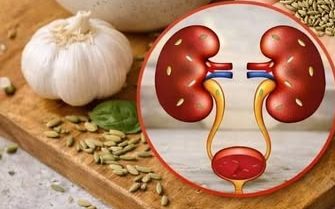
Exploring 5 Common Spices That May Support Kidney Health in Your Daily Routine
Kidneys work quietly every day to filter waste, balance fluids, regulate electrolytes, and support overall health. As we age, kidney function can gradually decline, and many people begin paying closer attention to lab markers such as creatinine and GFR. While spices alone cannot cure kidney disease or reverse chronic kidney damage, certain commonly used spices may support overall wellness when included as part of a balanced diet.
The key is moderation and personalization. Individuals with chronic kidney disease, high potassium levels, or specific dietary restrictions should always consult a healthcare provider or registered dietitian before making changes.
Here are five common spices that may play a supportive role in kidney-conscious daily routines.
- Turmeric
Turmeric contains curcumin, a plant compound studied for its antioxidant and anti-inflammatory properties. Oxidative stress and inflammation are factors involved in many chronic conditions, including those affecting the kidneys.
In small culinary amounts, turmeric may support overall metabolic health. It can be added to soups, stews, rice dishes, or warm beverages. A pinch combined with black pepper may enhance absorption of curcumin.
However, high-dose turmeric supplements should be used cautiously, especially in people with kidney stones or those prone to oxalate accumulation. Culinary use is generally considered safer than concentrated extracts.
- Ginger
Ginger is widely used to support digestion and reduce occasional nausea. It also contains antioxidant compounds that may help reduce inflammation.
For kidney health, ginger’s value lies mainly in its potential to support blood sugar balance and circulation. Since uncontrolled blood sugar and high blood pressure are major contributors to kidney damage, any dietary habit that supports metabolic balance indirectly benefits kidney function.
Fresh ginger can be grated into stir-fries, brewed into tea, or added to warm lemon water. As with all spices, moderation is important.
- Cinnamon
Cinnamon has been studied for its possible role in supporting healthy blood sugar levels. Since diabetes is one of the leading causes of chronic kidney disease, managing blood sugar is essential for protecting kidney health.
Adding small amounts of cinnamon to oatmeal, yogurt, or smoothies may be a simple way to incorporate it into your routine. However, excessive intake of certain types of cinnamon may contain compounds that can stress the liver if consumed in large quantities. Stick to modest culinary use rather than high-dose supplements unless advised by a professional.
- Garlic
Garlic, scientifically known as Allium sativum, is often praised for its cardiovascular benefits. It contains sulfur compounds that may support heart health and healthy blood pressure levels.
Because high blood pressure is a major risk factor for kidney damage, supporting cardiovascular health indirectly supports kidney function. Garlic can be used to flavor food in place of excess salt, which is especially helpful for individuals watching sodium intake.
Using fresh garlic in cooking is generally safe for most people. Those on blood-thinning medications should consult a healthcare provider before significantly increasing garlic intake.
- Coriander
Coriander seeds and leaves have traditionally been used in various cultures for digestive and metabolic support. Some preliminary research suggests coriander may have mild diuretic and antioxidant effects.
While not a treatment for kidney conditions, coriander may contribute to overall fluid balance when used in normal culinary amounts. It can be added to soups, curries, and grain dishes for flavor without relying on excessive sodium.
Why Spices Matter for Kidney Health
Spices offer two major benefits in kidney-conscious diets. First, they provide antioxidants and plant compounds that support overall health. Second, they enhance flavor without adding salt.
Reducing sodium intake is one of the most effective dietary strategies for protecting kidney and heart health. By using herbs and spices creatively, meals can remain satisfying while lowering salt consumption.
Important Considerations
Spices should complement, not replace, proven kidney-supportive habits. These include:
Managing blood pressure
Controlling blood sugar
Staying properly hydrated unless fluid-restricted
Maintaining a healthy weight
Limiting processed foods
Following medical advice and routine testing
People with moderate to advanced chronic kidney disease often require individualized potassium and phosphorus limits. Even natural foods and spices may need adjustment depending on lab results.
A Balanced Approach
There is no single spice that can dramatically improve kidney function or lower creatinine overnight. Kidney health depends on long-term patterns rather than quick fixes.
However, incorporating turmeric, ginger, cinnamon, garlic, and coriander into daily cooking may support overall metabolic and cardiovascular health. Over time, these supportive habits contribute to a kidney-friendly lifestyle.
Before making significant dietary changes, especially if you have diagnosed kidney disease, consult your healthcare provider. Personalized guidance ensures that even healthy spices fit safely within your nutritional plan.
Small, consistent choices in the kitchen often have a meaningful impact on long-term wellness.