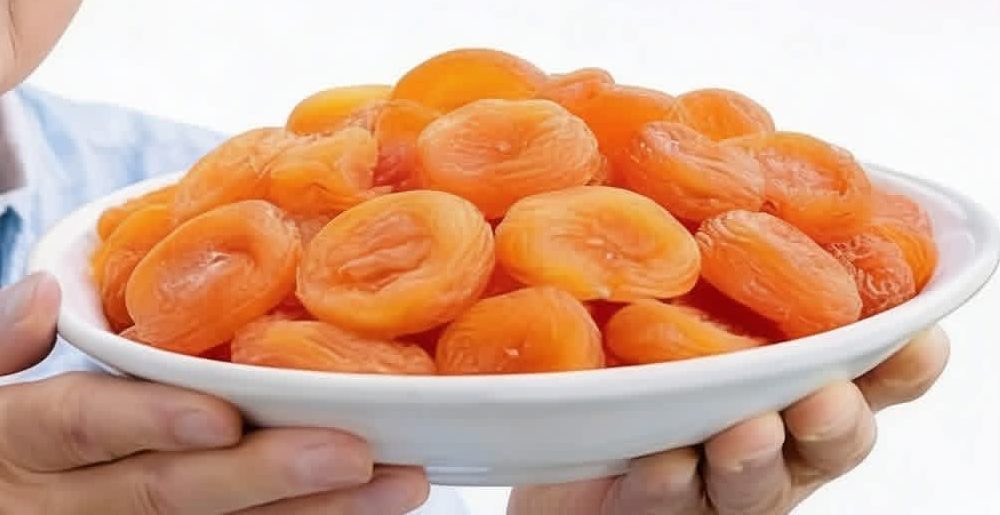
Top 5 Dry Fruits to Naturally Support Lower Creatinine Levels and Better GFR in Seniors
As we age, kidney function naturally changes. Many seniors become more aware of lab values such as creatinine and estimated glomerular filtration rate, commonly known as GFR. Creatinine is a waste product produced by muscles, and the kidneys filter it from the blood. When creatinine levels rise or GFR declines, it may signal reduced kidney function.
While dry fruits cannot cure kidney disease or replace medical treatment, certain options can be included carefully in a balanced diet to support overall kidney health. The key for seniors is moderation, portion control, and awareness of potassium and phosphorus content. Always consult a healthcare provider before making dietary changes, especially if you have chronic kidney disease or are on a restricted diet.
Here are five dry fruits that may be suitable in small portions for seniors looking to support healthy kidney function.
- Dried Cranberries
Dried cranberries are often associated with urinary tract health. They contain antioxidants and plant compounds that may help support urinary tract balance. A healthy urinary system indirectly supports kidney health.
When choosing dried cranberries, look for unsweetened varieties, as many commercial options contain added sugar. Excess sugar can contribute to metabolic issues that affect kidney health over time.
Portion guidance is important. A small tablespoon serving is usually sufficient. Cranberries are relatively moderate in potassium compared to some other dried fruits, making them a more flexible option for seniors with mild kidney concerns. However, those with advanced kidney disease should still check with a professional.
- Raisins in Moderation
Raisins are dried grapes and contain antioxidants such as polyphenols. They also provide fiber, which supports digestive health. Proper digestion and gut health can contribute to overall metabolic balance.
However, raisins are naturally higher in potassium and sugar. For seniors with stable kidney function or mild concerns, a small portion such as one tablespoon can be included occasionally. Overconsumption may raise potassium levels, which can be risky in individuals with reduced kidney function.
The benefit lies in moderation and balance within the total daily diet.
- Dried Apples
Dried apples are often overlooked but can be a kidney-friendly option when unsweetened. Apples are known for containing fiber and plant antioxidants. They are relatively lower in potassium compared to many other fruits, making them more suitable for individuals monitoring potassium intake.
Unsweetened dried apple slices provide a concentrated source of nutrients without the added sugars found in many packaged dried fruits. They can be enjoyed as a light snack or added to oatmeal.
Seniors should aim for a small handful rather than a full cup, as dried fruits are more calorie-dense than fresh fruits.
- Dates in Controlled Portions
Dates are rich in natural sugars and minerals. While they are higher in potassium, small amounts may be included in certain diets depending on individual kidney function. Dates also provide fiber and antioxidants.
For seniors with early-stage kidney concerns and no potassium restrictions, half a date to one small date occasionally may be acceptable. However, for those with moderate to advanced kidney disease, dates may not be recommended due to their potassium content.
The focus should always be on individualized guidance rather than general assumptions.
- Dried Blueberries
Dried blueberries are valued for their antioxidant properties. Antioxidants help combat oxidative stress, which can impact many organs, including the kidneys.
Like cranberries, dried blueberries are often sweetened. Choosing unsweetened versions is important. In small portions, they may provide beneficial plant compounds without excessive potassium load.
A tablespoon mixed into yogurt or oatmeal can add flavor and variety without overwhelming the diet.
Important Considerations for Seniors
When discussing creatinine and GFR, it is important to understand that diet is only one piece of the puzzle. Creatinine levels are influenced by muscle mass, hydration status, medications, and overall kidney function. GFR naturally declines somewhat with age.
Key factors that support kidney health include staying well hydrated unless fluid-restricted, managing blood pressure, controlling blood sugar levels, maintaining a healthy weight, and limiting excessive sodium intake.
Dry fruits are concentrated sources of nutrients but also concentrated sources of potassium and natural sugars. For seniors with kidney impairment, potassium control is often critical. Too much potassium can lead to serious heart rhythm issues.
General Portion Guidance
For most seniors without strict potassium restrictions, one to two small tablespoons of dried fruit per day is usually a reasonable upper limit. It is better to spread intake throughout the week rather than consuming large portions at once.
Pairing dried fruits with protein or healthy fats can also help stabilize blood sugar levels.
When to Avoid or Limit Dry Fruits
Seniors with stage 3, 4, or 5 chronic kidney disease often require personalized potassium and phosphorus limits. In such cases, certain dried fruits may need to be avoided entirely.
If recent blood tests show high potassium levels, it is important not to increase intake of potassium-rich foods without professional guidance.
A Balanced Approach to Kidney Support
No single food can lower creatinine or dramatically improve GFR on its own. Kidney health depends on consistent, balanced habits over time.
In addition to mindful dry fruit consumption, seniors can support kidney function by:
Eating fresh fruits and vegetables appropriate for their kidney stage
Limiting processed foods high in sodium
Staying physically active within their comfort level
Following medication instructions carefully
Attending regular medical checkups
Dry fruits can be part of a varied diet when chosen wisely and eaten in moderation. The goal is not to rely on them as a solution but to incorporate them thoughtfully into an overall kidney-supportive lifestyle.
Before making changes aimed at lowering creatinine or improving GFR, seniors should always consult a healthcare provider or registered dietitian. Individual lab values, medications, and medical history play a significant role in determining what is safe and appropriate.
With careful selection, portion control, and professional guidance, certain dry fruits may fit into a kidney-conscious diet while supporting overall wellness in the senior years.