What Happens to Your Body When You Take a Pinch of Salt Before Bed? A Simple Habit Worth Trying
In the world of simple wellness habits, even the smallest rituals can spark curiosity. One practice that has gained attention in recent years is taking a small pinch of salt before bed. Supporters claim it can promote relaxation, support hydration, and improve sleep quality. But what actually happens in the body when you consume a small amount of salt at night? And is it a habit worth trying?
Understanding how salt interacts with the body can help separate realistic expectations from exaggerated claims.
The Role of Salt in the Body
Salt is made up of sodium and chloride, two essential electrolytes. Sodium plays a crucial role in maintaining fluid balance, nerve signaling, and muscle function. It also helps regulate blood pressure and supports the balance of other minerals in the body.
Throughout the day, we naturally lose sodium through sweat and urine. For most people who eat a balanced diet, sodium intake is already sufficient. However, some individuals who follow very low-sodium diets, exercise heavily, or sweat significantly may experience mild electrolyte imbalances.
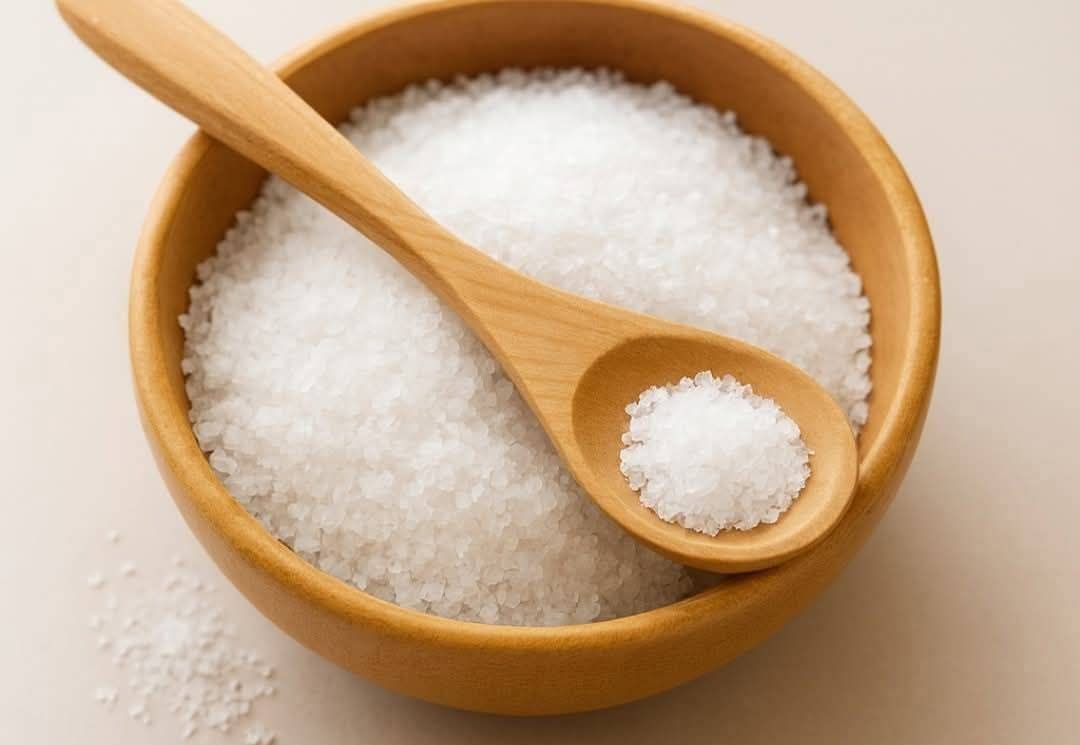
A small pinch of salt before bed typically contains only a fraction of a teaspoon, providing a modest amount of sodium. The key is moderation.
Hydration and Fluid Balance Overnight
One reason some people take salt before bed is the belief that it supports hydration. Sodium helps the body retain fluids by maintaining osmotic balance in cells. In theory, a small amount of salt paired with water could help the body hold onto hydration overnight.
Proper hydration supports many processes, including circulation, temperature regulation, and joint lubrication. However, drinking excessive fluids close to bedtime may increase nighttime bathroom trips, which can disrupt sleep. If trying this habit, it is wise to pair a very small pinch of salt with a modest sip of water rather than a full glass.
Effects on Blood Pressure
Sodium intake directly affects blood pressure. In salt-sensitive individuals, consuming excess sodium can raise blood pressure. For others, the impact may be minimal.
A tiny pinch of salt is unlikely to significantly affect blood pressure in healthy individuals. However, those with hypertension, heart conditions, or kidney disease should be cautious. Evening sodium intake may contribute to fluid retention in some people, potentially leading to swelling or discomfort.
Anyone managing blood pressure should consult a healthcare professional before experimenting with new dietary habits.
Potential Impact on Stress Hormones
Some advocates of nighttime salt suggest that it may help balance stress hormones. The theory is that adequate sodium levels may help regulate cortisol and adrenaline, which can influence sleep quality.
When sodium intake is extremely low, the body may increase certain stress hormones to maintain balance. In such cases, restoring moderate sodium levels might support overall equilibrium. However, most people already consume adequate sodium through their daily meals, making additional supplementation unnecessary.
There is limited scientific evidence specifically supporting the idea that a pinch of salt before bed directly improves sleep by altering hormone levels.
Sleep Quality and Relaxation
Sleep is influenced by many factors, including light exposure, temperature, stress levels, and overall health. While electrolytes do play a role in nerve and muscle function, sleep quality is rarely improved by a single dietary tweak alone.
For some individuals, the ritual itself may be beneficial. Establishing a consistent bedtime routine signals to the brain that it is time to wind down. If taking a small pinch of salt becomes part of a calming ritual that includes dim lights and relaxation techniques, the overall routine may support better rest.
In this case, the benefit may come more from the consistency of the habit rather than the salt itself.
Who Might Notice a Difference
Certain groups may be more likely to notice subtle effects from this practice. Individuals who sweat heavily, follow strict low-sodium diets, or engage in endurance training may occasionally experience low sodium levels. In these situations, modest sodium intake can help maintain electrolyte balance.
However, most adults already consume more sodium than recommended by dietary guidelines. For them, adding extra salt before bed is unlikely to provide measurable benefits.
Possible Downsides
While a tiny pinch of salt is generally safe for healthy individuals, regular additional sodium intake can accumulate over time. Excess sodium consumption is associated with increased blood pressure and cardiovascular risk.
Some people may also experience increased thirst or mild fluid retention. If you notice puffiness in the face, hands, or feet after trying this habit, it may not be suitable for you.
As with any wellness trend, more is not better. A small pinch truly means a very small amount, not a full sprinkle or spoonful.
A Balanced Perspective
The human body requires sodium to function properly, but balance is essential. Rather than focusing on isolated habits, it is more effective to look at overall lifestyle patterns. A diet rich in whole foods, adequate hydration, regular movement, and a consistent sleep schedule will have a far greater impact on well-being than a single ingredient before bed.
If you are curious about trying this practice, approach it mindfully. Start with a very small pinch of high-quality salt and observe how you feel over several nights. Pay attention to sleep quality, morning energy, and any signs of fluid retention.
It is also worth evaluating your current sodium intake. Many processed foods contain significant amounts of salt. If your daily diet is already high in sodium, adding more is unlikely to be beneficial.
Simple Habits That Truly Support Sleep
If the goal is better rest, consider habits that are strongly supported by research. Limiting screen time before bed, maintaining a cool and dark sleep environment, practicing deep breathing, and avoiding heavy meals late at night are all proven strategies.
Magnesium-rich foods, gentle stretching, and consistent bedtimes may also support relaxation and recovery more effectively than salt alone.
Final Thoughts
Taking a pinch of salt before bed is a simple habit that may not cause harm in healthy individuals when done in moderation. For some, especially those with lower sodium intake or high physical activity levels, it might support electrolyte balance. For others, it may offer little measurable effect.
Ultimately, sleep and wellness depend on a combination of factors rather than a single ingredient. If you choose to try this habit, do so thoughtfully and in small amounts. Listen to your body and prioritize a balanced approach to health.
Sometimes the most valuable part of a new routine is not the ingredient itself, but the intention behind taking a quiet moment each evening to care for your body.