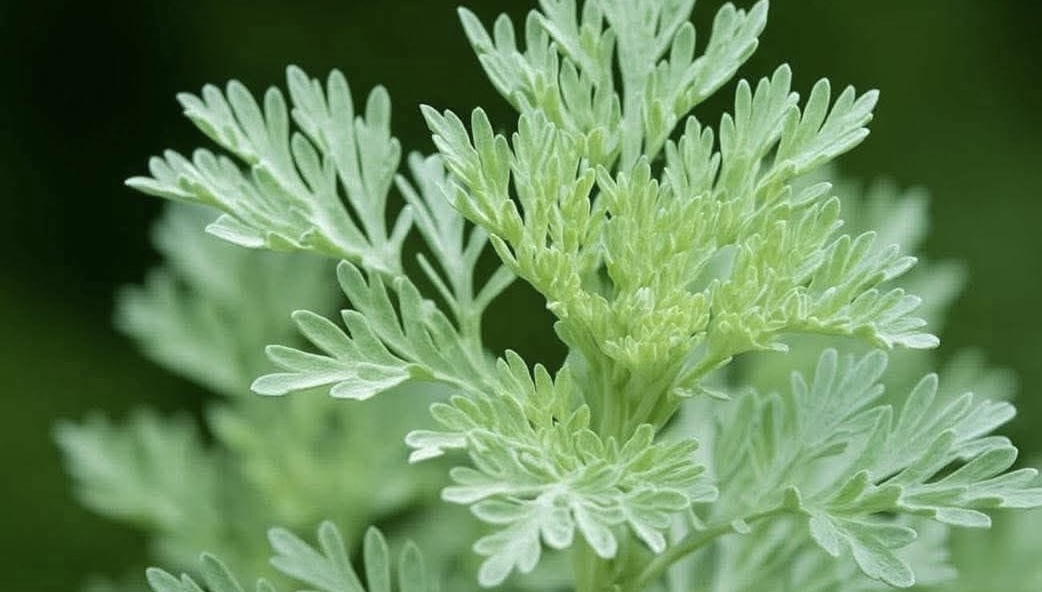
Mugwort is a traditional herb that has been used for centuries in natural medicine, especially in Asia and Europe. Known scientifically as Artemisia vulgaris, this plant is often associated with relaxation, digestion support, and sleep enhancement. With its soft, feathery green leaves and slightly bitter aroma, mugwort has earned a reputation as a calming herb.
Today, mugwort is gaining renewed attention in wellness communities, particularly for its potential role in promoting better sleep and easing stress. However, like many herbal remedies, it is important to understand both its benefits and its limitations.
What Is Mugwort?
Mugwort is a perennial herb that grows in many parts of the world. It belongs to the same plant family as sage and wormwood. Traditionally, it has been used in teas, tinctures, and even as a culinary herb in some cultures.
The leaves and stems are the most commonly used parts, either fresh or dried. Mugwort has a slightly earthy and aromatic taste, making it suitable for herbal infusions.
Key Benefits of Mugwort
Natural Relaxation Support
Mugwort is often described as a mild calming herb. It may help reduce stress and promote a sense of relaxation after a long day. This is why it is commonly used in evening teas.
Sleep Enhancement
One of the most popular uses of mugwort is for improving sleep quality. Some people use it to support deeper and more restful sleep, especially when dealing with occasional insomnia.
Digestive Aid
Mugwort has traditionally been used to support digestion. It may help stimulate appetite and ease mild digestive discomfort.
Antioxidant Properties
Like many herbs, mugwort contains natural compounds that contribute to overall wellness and help the body manage oxidative stress.
Popular Ways to Use Mugwort
Mugwort Tea
Steep dried mugwort leaves in hot water for 5–10 minutes
Drink in the evening for relaxation
Herbal Infusions
Combine mugwort with other calming herbs like chamomile or mint
Enhance flavor and benefits
Aromatic Use
Dried mugwort can be used in herbal bundles or placed near sleeping areas for a calming atmosphere
The Truth About Sleep Claims
While mugwort is often promoted as a “sleep enhancer,” it is not a guaranteed solution for insomnia or serious sleep disorders. Its calming effects are generally mild and vary from person to person.
It may help create a relaxing bedtime routine, but it should not replace proper sleep hygiene or medical advice if sleep issues persist.
Safety and Precautions
Mugwort is natural, but that does not mean it is suitable for everyone.
Avoid during pregnancy, as it may stimulate the uterus
People with allergies to plants in the daisy family should use caution
Do not consume in large amounts
Consult a healthcare professional if you have existing health conditions
Tips for Best Results
Use mugwort tea in moderation, especially in the evening
Combine with a relaxing routine such as reading or meditation
Choose high-quality, organic dried leaves when possible
Store in a cool, dry place to maintain freshness
Common Mistakes to Avoid
Overconsuming mugwort, expecting stronger effects
Believing exaggerated claims about instant sleep cures
Using it without checking for allergies or sensitivities
Replacing professional medical care with herbal remedies
Why Mugwort Is Trending Again
The rise of natural wellness and herbal remedies has brought mugwort back into the spotlight. People are increasingly looking for gentle, plant-based ways to relax and improve their sleep without relying heavily on synthetic products.
Its long history of traditional use and ease of preparation make it appealing to those exploring holistic lifestyles.
SEO-Optimized Content for WordPress
Primary keywords: “mugwort benefits,” “mugwort tea,” “herbal sleep remedy,” “natural relaxation herbs”
Structured with clear H2 headings
Clean formatting ready for WordPress publishing
Keywords naturally integrated for better search ranking
Final Thoughts
Mugwort is a fascinating herb with a long tradition of use in natural wellness practices. Its calming properties and versatility make it a valuable addition to herbal routines.
However, it is important to stay realistic. Mugwort can support relaxation and sleep, but it is not a miracle cure. When used responsibly and in moderation, it can be a gentle and natural way to enhance your overall well-being.