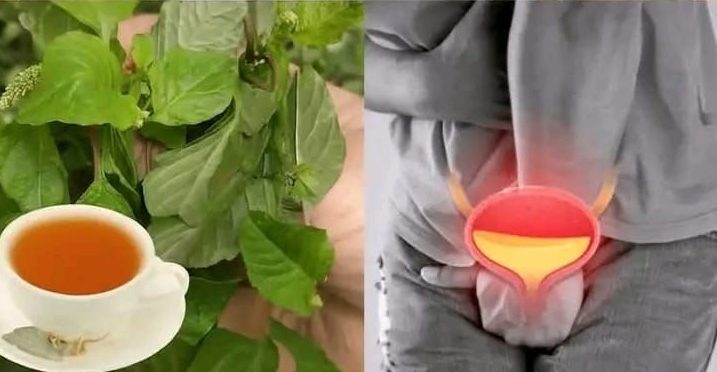
The Best Herbs to Support an Enlarged Prostate (BPH) – Nature’s Often-Discussed Options
Benign prostatic hyperplasia (BPH) is common as men age. It can cause symptoms such as frequent urination, weak stream, difficulty starting urination, and nighttime bathroom trips. While prescription medications and medical procedures are often effective and well-studied, some people explore herbal options as complementary support.
It’s important to be clear: herbs are not cures, and evidence varies in strength and quality. Always speak with a healthcare professional before starting supplements—especially if you’re taking medications for prostate health, blood pressure, or blood thinning.
Below are some of the most commonly researched herbs for BPH support.
1. Saw Palmetto
Serenoa repens
Saw palmetto is the most widely studied herbal supplement for BPH. Extracts from its berries are believed to influence hormone activity involved in prostate enlargement.
What research suggests:
- Some older studies showed modest symptom improvement.
- Large, high-quality trials have found mixed or minimal benefit compared to placebo.
Possible benefits:
- May reduce urinary frequency
- May improve urine flow in some individuals
Safety notes:
Generally well tolerated but may cause mild digestive upset or headache.
2. Pygeum (African Plum Bark)
Prunus africana
Pygeum comes from the bark of an African tree and has been used traditionally for urinary symptoms.
What research suggests:
- Some studies show modest improvements in urinary symptoms and nighttime urination.
- Evidence quality varies.
Potential benefits:
- Reduced nighttime urination
- Improved bladder emptying
Safety notes:
May cause mild stomach upset in some people.
3. Stinging Nettle Root
Urtica dioica
The root (not the leaf) is commonly used for prostate support.
What research suggests:
- May help reduce urinary symptoms
- Sometimes combined with saw palmetto
Potential benefits:
- Improved urine flow
- Reduced residual urine volume
Generally well tolerated but may interact with blood pressure or diabetes medications.
4. Pumpkin Seed Extract
Cucurbita pepo
Pumpkin seeds are rich in zinc and plant compounds that may support prostate function.
What research suggests:
- Some small studies show improvement in urinary symptoms
- Often used in combination formulas
Potential benefits:
- Reduced urinary frequency
- Gentle long-term support
Pumpkin seed oil is typically safe when used in recommended amounts.
5. Beta-Sitosterol (Plant Sterols)
Beta-sitosterol is a plant compound found in many foods and herbs.
What research suggests:
- Moderate evidence suggests improved urinary flow and symptom scores
- Does not appear to shrink the prostate, but may improve function
Often included in prostate support blends.
Important Considerations
Herbs vs. Medications
Prescription medications for BPH—such as alpha-blockers and 5-alpha-reductase inhibitors—have stronger clinical evidence and predictable dosing. Herbs may offer mild symptom relief for some people, but results vary.
When to See a Doctor
Seek medical evaluation if you experience:
- Blood in urine
- Painful urination
- Inability to urinate
- Sudden worsening of symptoms
These may indicate infection, prostate cancer, or other serious conditions.
A Balanced Approach
If considering herbal support:
- Get a proper diagnosis first.
- Monitor symptoms using tools like the International Prostate Symptom Score (IPSS).
- Choose standardized extracts from reputable brands.
- Reassess after 8–12 weeks.
Lifestyle habits also matter:
- Maintain a healthy weight
- Reduce evening fluids
- Limit caffeine and alcohol
- Stay physically active
Final Thoughts
Nature offers several herbs that may support urinary comfort in men with BPH, but they are not miracle cures. The best outcomes often come from combining medical guidance, healthy lifestyle choices, and carefully selected supplements.
If you’d like, I can also provide:
• A comparison chart of these herbs
• Lifestyle strategies that naturally support prostate health
• A discussion of conventional medical treatments for BPH
• Questions to ask your doctor about BPH
Let me know what would be most helpful.