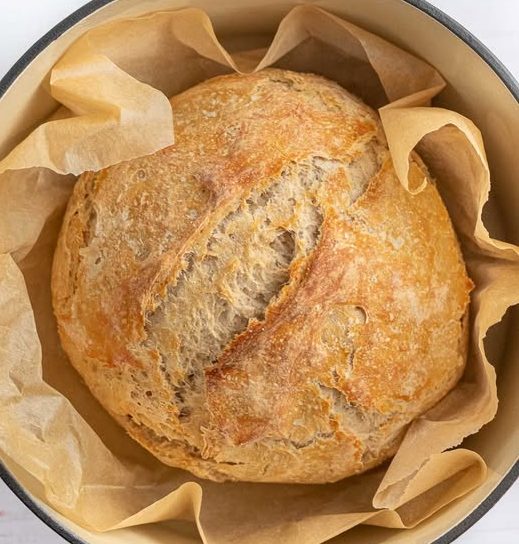
Easiest sourdough bread is the perfect introduction to homemade bread for anyone who has ever felt intimidated by traditional baking methods. This approach focuses on simplicity, patience, and minimal effort while still delivering the signature tangy flavor and chewy texture that sourdough is known for. It proves that baking sourdough does not have to be complicated or overwhelming to be successful.
Sourdough bread has been made for centuries using natural fermentation rather than commercial yeast. At its heart is a sourdough starter, a mixture of flour and water that captures wild yeast and beneficial bacteria from the environment. While starters may sound complex, once established they become easy to maintain and incredibly forgiving. The easiest sourdough bread relies on this natural process and avoids unnecessary steps, making it accessible even to first-time bakers.
What sets the easiest sourdough bread apart is its minimal ingredient list. Flour, water, salt, and an active starter are all that is needed. There are no special additives or complicated techniques involved. This simplicity allows the natural flavors of the flour and fermentation to shine, resulting in bread that tastes deep, wholesome, and satisfying.
The dough for easy sourdough bread is typically mixed by hand, often with just a spoon or fingers. There is no need for stand mixers or extensive kneading. Instead, gentle folding and resting periods allow the dough to develop strength on its own. This hands-off approach not only saves effort but also makes the process more enjoyable and relaxed.
Time plays an important role in sourdough baking, but it does not require constant attention. After mixing, the dough rests for several hours, allowing fermentation to work slowly. During this time, the dough becomes airy and elastic as the natural yeast produces gas. Simple stretch-and-fold techniques, performed only a few times, help build structure without physical strain.
One of the most appealing aspects of easy sourdough bread is its flexibility. The process adapts well to different schedules, making it ideal for home bakers with busy lives. The dough can ferment on the counter or in the refrigerator, allowing bakers to bake when it is convenient rather than rushing to meet strict timelines.
Shaping the dough is another step that often causes anxiety, but the easiest sourdough method keeps this simple as well. The dough is gently shaped into a round or oval, focusing more on preserving air than achieving perfection. Rustic shapes are part of sourdough’s charm, and minor imperfections do not affect the final taste.
Baking sourdough bread fills the kitchen with an unmistakable aroma. As the loaf bakes, the crust develops a golden-brown color while the inside becomes soft and chewy. Steam during baking helps create a crisp exterior and an open crumb. Even with basic home ovens, excellent results can be achieved using simple techniques.
The finished loaf of easy sourdough bread offers a balance of flavors and textures. The crust is crisp but not overly hard, while the interior remains tender and airy. The natural tang of sourdough is present without being overpowering, making the bread suitable for both savory and sweet pairings.
This bread is incredibly versatile. It can be enjoyed warm with butter, used for sandwiches, toasted for breakfast, or served alongside soups and stews. Its structure holds up well to spreads and toppings, while its flavor enhances simple meals without overshadowing them.
Another benefit of sourdough bread is its keeping quality. Thanks to natural fermentation, it stays fresh longer than many commercial breads. Stored properly, it remains enjoyable for several days, and stale slices make excellent toast or croutons. This makes sourdough a practical choice as well as a delicious one.
Beyond taste and texture, baking sourdough bread offers a sense of satisfaction. There is something deeply rewarding about transforming basic ingredients into a loaf of bread through patience and care. The process encourages slowing down and appreciating the rhythm of baking, making it as enjoyable as the final result.
Easiest sourdough bread is also forgiving. Slight variations in timing, temperature, or shaping rarely ruin the loaf. Each bake becomes a learning experience, building confidence with every attempt. This forgiving nature helps remove the fear often associated with sourdough baking and invites experimentation.
In the end, easiest sourdough bread lives up to its name. It removes unnecessary complexity while preserving everything that makes sourdough special. With simple ingredients, minimal effort, and a relaxed approach, it allows anyone to enjoy homemade bread that feels wholesome and deeply satisfying.
This method proves that sourdough baking does not need to be reserved for experts. With patience, a basic starter, and a willingness to trust the process, even beginners can create bread that rivals bakery loaves. Easiest sourdough bread is not just a recipe, but an invitation to enjoy the timeless art of bread baking in its most approachable form.