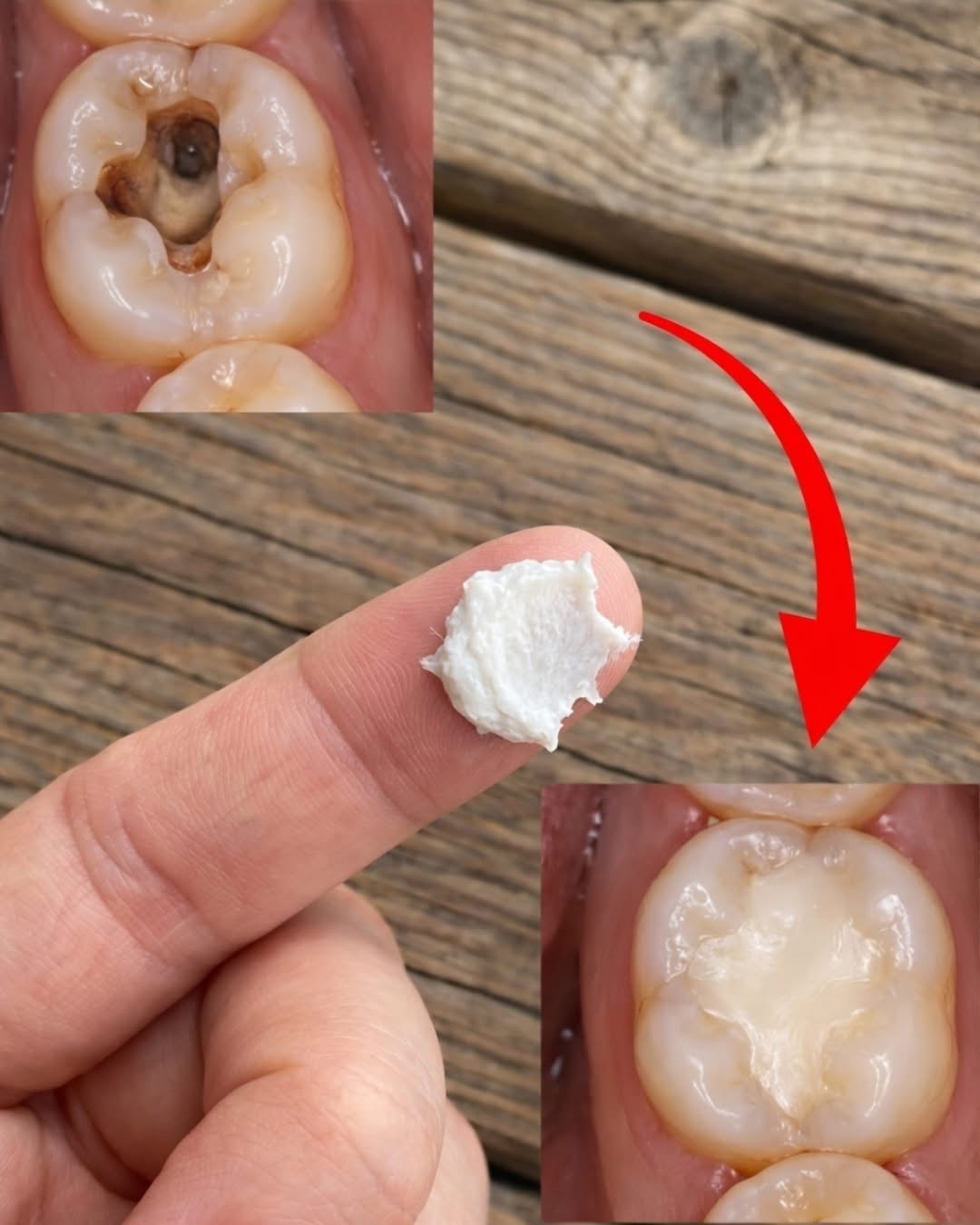
Tooth cavities are one of the most common dental problems worldwide. They start small but can quickly grow into painful, serious issues if left untreated. While many people search for quick home fixes or temporary solutions, the safest and most effective way to treat a cavity is through proper dental care and professional treatment.
Healthy teeth are not just about appearance. Strong enamel protects your mouth from infection, discomfort, and long-term damage. Once decay forms inside a tooth, it cannot fully heal on its own. The damaged area must be cleaned and sealed correctly to prevent bacteria from spreading.
Understanding how cavities form and how dental fillings work can help you protect your smile and avoid costly problems in the future.
What Is a Tooth Cavity
A cavity is a small hole that forms in the tooth when bacteria break down enamel. This happens when food particles and sugars remain on the teeth, allowing bacteria to produce acids. Over time, these acids weaken the enamel and create decay.
At first, you may not notice any symptoms. But as the cavity grows, you might experience:
Tooth sensitivity
Pain when chewing
Dark spots on teeth
Bad breath
Gum irritation
Ignoring these signs can allow the decay to reach deeper layers of the tooth, causing infection or even tooth loss.
Why Professional Treatment Matters
It can be tempting to try home remedies or temporary materials to cover a cavity. However, DIY fixes cannot remove bacteria or repair internal damage. They may hide the problem for a short time while decay continues underneath.
Professional dental treatment is important because a dentist:
Removes infected tissue
Cleans the cavity completely
Seals the tooth properly
Prevents further decay
Restores tooth strength
This process ensures the tooth remains healthy and functional for years.
What Is a Dental Filling
A dental filling is a safe and effective treatment used to repair cavities. After removing the decayed portion of the tooth, the dentist fills the space with a protective material.
Common filling materials include:
Composite resin
Ceramic
Amalgam
Glass ionomer
Composite fillings are popular because they match the natural color of teeth and look almost invisible.
Fillings stop bacteria from entering the tooth again and restore normal chewing ability.
The Dental Filling Procedure
The procedure is simple, quick, and usually completed in one visit.
First, the dentist numbs the area for comfort. Next, the decayed part of the tooth is carefully removed. The cavity is cleaned thoroughly to eliminate bacteria.
After cleaning, the filling material is placed inside the tooth and shaped to match your natural bite. Finally, it is hardened and polished.
Most patients return to normal activities the same day.
How to Prevent Cavities Naturally
Prevention is always better than treatment. Good oral hygiene habits protect your teeth and reduce the risk of decay.
Simple daily steps include:
Brushing twice a day
Using fluoride toothpaste
Flossing daily
Drinking plenty of water
Limiting sugary foods
Visiting the dentist regularly
These habits strengthen enamel and keep bacteria under control.
Foods That Support Dental Health
Your diet plays a major role in tooth health. Choosing the right foods can help protect enamel and reduce acid buildup.
Helpful options include:
Fresh vegetables
Cheese and dairy
Leafy greens
Nuts
Water
Avoid excessive sweets, sodas, and sticky snacks that cling to teeth.
When to See a Dentist
You should schedule a dental checkup if you notice:
Tooth pain
Sensitivity
Dark spots
Bleeding gums
Persistent bad breath
Early treatment is faster, easier, and less expensive than waiting until the problem worsens.
Regular cleanings also help detect small cavities before they grow.
Final Thoughts
Taking care of your teeth is an investment in your overall health. While quick home solutions may seem convenient, professional dental care is the only safe and reliable way to treat cavities properly. Dental fillings restore strength, protect against infection, and keep your smile looking natural.
With good hygiene habits, regular checkups, and healthy choices, you can prevent most cavities and maintain strong teeth for life. A healthy smile starts with proper care and smart decisions every day.