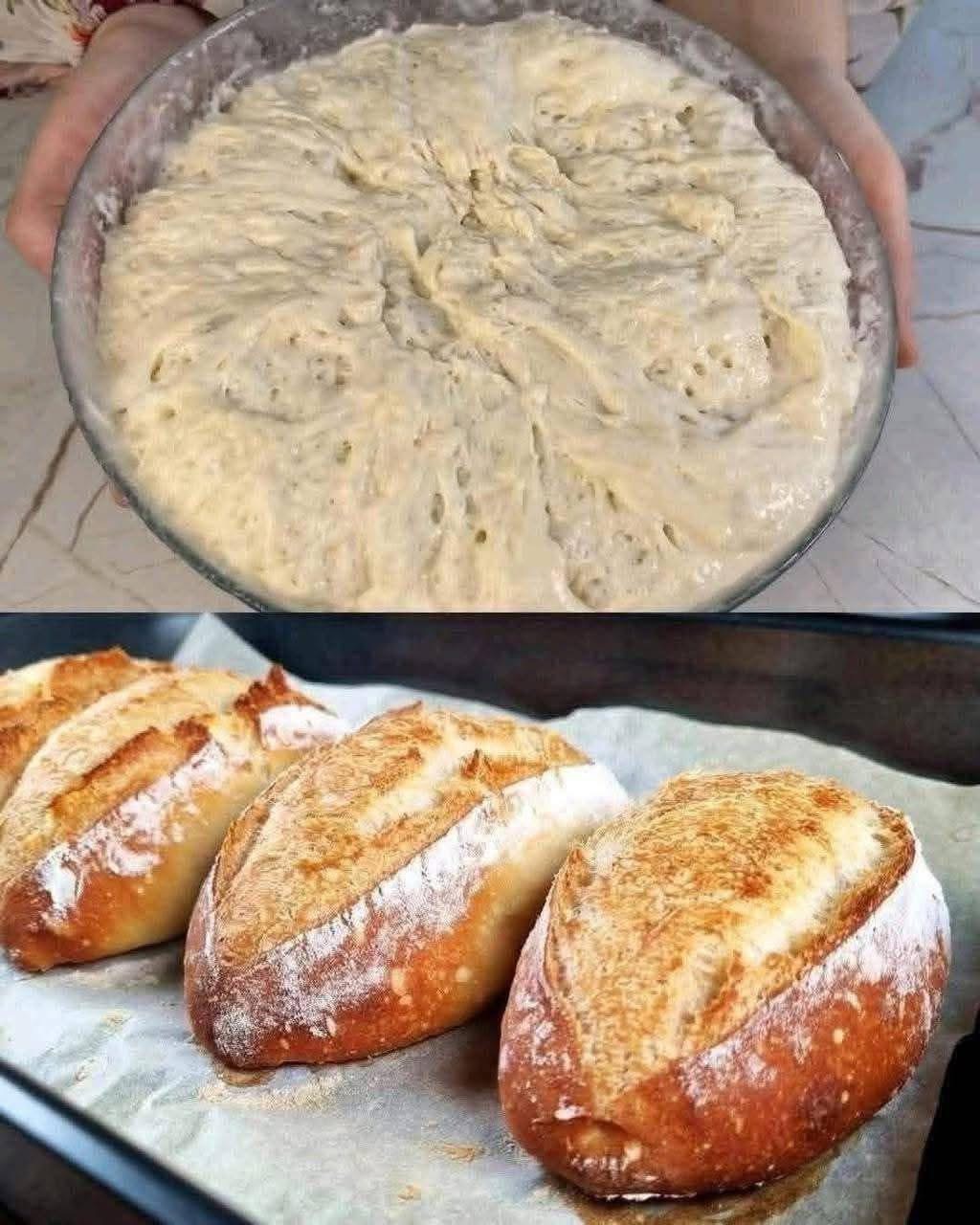
Rustic homemade bread is one of the most satisfying baked goods you can make at home. With its golden crust, airy crumb, and deep wheat flavor, this type of bread brings bakery-quality results using simple ingredients and minimal effort. The no-knead method has become especially popular because it allows time to do the work, developing structure and flavor naturally without complicated techniques.
This rustic bread is ideal for everyday meals, sandwiches, breakfast toast, or serving alongside soups and stews. It fits perfectly into a home kitchen routine and delivers consistent, impressive results.
Why Rustic No-Knead Bread Is So Loved
No-knead bread is popular because it simplifies traditional bread making while maintaining excellent texture and flavor. Instead of heavy kneading, a long resting time allows gluten to form naturally. This creates a bread that is light inside with a beautifully crisp crust on the outside.
Home bakers love this bread because it requires very little hands-on time. Once mixed, the dough rests quietly, rising and developing flavor on its own.
Simple Ingredients with Big Results
Rustic bread relies on basic pantry staples. Flour provides structure, water hydrates the dough, yeast creates the rise, and salt enhances flavor. Because there are so few ingredients, their quality matters. Using good flour and fresh yeast ensures better texture and taste.
The high hydration level of the dough may feel unusual at first, but it is the key to achieving an open crumb and crisp crust once baked.
The Magic of Long Fermentation
One of the most important aspects of rustic bread is fermentation time. Allowing the dough to rise slowly improves both flavor and structure. During this resting period, natural air pockets form, giving the bread its signature uneven crumb.
This slow process also improves digestibility and enhances the natural wheat aroma that makes homemade bread so appealing.
Shaping Without Stress
Unlike traditional bread, rustic no-knead dough is handled gently. After rising, the dough is lightly shaped to preserve the air bubbles inside. Minimal handling ensures the final loaves stay light and well-risen.
A light dusting of flour helps prevent sticking and adds a classic rustic look to the finished bread.
Baking for a Golden, Crispy Crust
High heat is essential for achieving a crusty exterior. Baking the bread in a hot oven allows the surface to caramelize while the inside remains soft and moist. Steam during the first stage of baking helps create that signature crackly crust.
As the bread bakes, the aroma fills the kitchen, signaling the transformation from simple dough into a golden, bakery-style loaf.
Cooling for Best Texture
Allowing bread to cool before slicing is essential. During cooling, the crumb finishes setting, ensuring clean slices and the best texture. Cutting too early can compress the bread and release excess moisture.
Once cooled, the loaf reveals a tender interior with irregular holes and a crisp, flavorful crust.
Serving Ideas for Rustic Homemade Bread
This bread is extremely versatile. It pairs well with butter, olive oil, jams, or honey. It makes excellent sandwiches and is perfect for dipping into soups, stews, and sauces.
Rustic bread also works beautifully for bruschetta, garlic bread, or as a base for open-faced toasts with vegetables, cheese, or eggs.
Storage and Freshness Tips
Rustic bread is best enjoyed within the first two days when the crust is at its peak. It can be stored wrapped in a clean cloth or paper bag to preserve texture. For longer storage, the bread can be sliced and frozen, then toasted directly from frozen when needed.
Avoid storing bread in airtight plastic bags at room temperature, as this softens the crust too quickly.
A Perfect Bread for Home Bakers
This rustic no-knead homemade bread is ideal for beginners and experienced bakers alike. It requires patience rather than skill, making it accessible and rewarding. The results look impressive and taste even better.
Clean, simple, and timeless, this bread recipe fits perfectly into WordPress food content. It is SEO-friendly, easy to read, and ready for publishing, offering readers a reliable and comforting homemade bread experience they will want to repeat again and again.