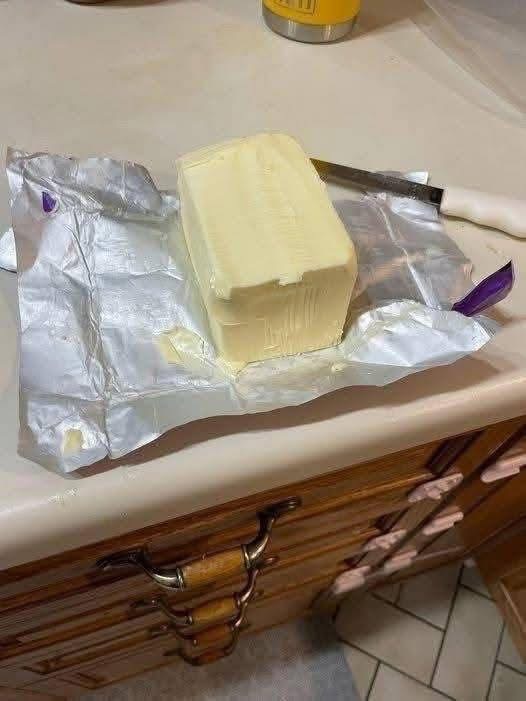
Homemade butter is one of the simplest kitchen staples you can make, yet it delivers a richness and freshness that store-bought versions often lack. With just one main ingredient and a little patience, you can create creamy, flavorful butter that enhances everything from warm toast to baked goods and savory dishes. This classic preparation has been used for generations and remains a favorite for anyone who appreciates pure, natural flavor.
Making butter at home allows you to control the quality, texture, and taste. Whether you prefer it lightly salted, completely unsalted, or infused with herbs, homemade butter adapts easily to your needs. It is economical, satisfying to prepare, and surprisingly easy, even for beginners.
Why Homemade Butter Is Worth Making
Freshly made butter has a clean, rich taste that stands out immediately. Without preservatives or additives, the flavor of the cream shines through. The texture is smooth and spreadable, and the aroma is naturally sweet and comforting.
Another advantage is versatility. Once you master the basic method, you can customize your butter in countless ways. From garlic butter for savory meals to honey butter for breakfast treats, homemade butter becomes a foundation for creativity in the kitchen.
Ingredients You Will Need
Homemade butter requires minimal ingredients, making it ideal for anyone who enjoys simple cooking.
- Heavy cream (full-fat, preferably fresh)
- Salt (optional, to taste)
That is all. High-quality cream will give you the best results, so choose the freshest option available.
How Butter Is Made
Butter is created by separating the fat from cream. When cream is agitated, the fat molecules clump together and separate from the liquid, known as buttermilk. This process can be done using a stand mixer, hand mixer, food processor, or even a jar with a tight lid.
As the cream is mixed, it first turns into whipped cream. Continuing the process causes the whipped cream to break, releasing the buttermilk and forming solid butter. This transformation is quick, fascinating, and very rewarding.
Step-by-Step Preparation
Start by pouring cold heavy cream into a mixing bowl. Using a mixer, beat the cream on medium speed. The cream will thicken and become fluffy, similar to whipped cream. Keep mixing beyond this stage until the texture changes and small yellow clumps begin to form.
At this point, the buttermilk will separate from the butter solids. Strain the mixture using a fine sieve or cheesecloth, reserving the buttermilk if desired. The remaining solid is your fresh butter.
To improve flavor and shelf life, rinse the butter under cold water, gently pressing it with a spatula or spoon to remove any remaining buttermilk. Continue rinsing until the water runs clear.
If you like salted butter, sprinkle in a small amount of salt and mix gently. Shape the butter into a block, roll, or press it into a container.
Flavor and Texture
Homemade butter has a soft, creamy texture and a naturally sweet taste. When salted, the flavor becomes more rounded and balanced. Because it is fresh, it melts beautifully and spreads easily, making it ideal for bread, pastries, and cooking.
The color may vary depending on the cream used, ranging from pale ivory to a rich yellow. This natural variation is a sign of quality and freshness.
How to Use Homemade Butter
Homemade butter is incredibly versatile and can be used in many ways:
- Spread on toast, bread, or pancakes
- Use in baking cakes, cookies, and pastries
- Melt over vegetables or pasta
- Cook eggs, meats, or seafood
- Create flavored butter with herbs, garlic, or spices
Because of its pure flavor, homemade butter enhances both sweet and savory dishes.
Storage Tips
Fresh butter should be stored in the refrigerator in an airtight container. It will keep well for up to two weeks when properly rinsed and chilled. For longer storage, butter can be frozen for several months without losing quality.
If freezing, shape the butter into portions and wrap tightly to protect it from absorbing other flavors.
A Simple Kitchen Essential
Homemade butter proves that some of the best kitchen staples are also the easiest to make. With minimal effort and maximum reward, this simple recipe delivers freshness, flavor, and satisfaction. Once you experience the taste and texture of butter made by hand, it quickly becomes a favorite addition to everyday cooking and baking.