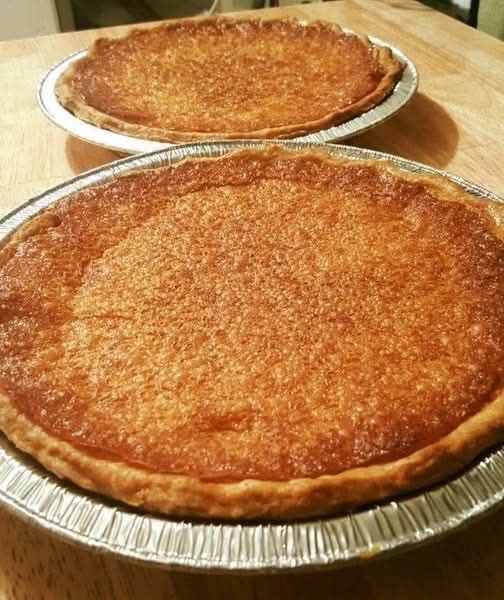
Christmas Cake
Christmas cake is more than just a dessert. It is a tradition, a symbol of celebration, and a centerpiece that brings families together during the festive season. Rich, dense, and deeply flavorful, this classic cake has been enjoyed for generations, especially in Europe and many parts of the world influenced by British holiday customs. Its long shelf life, intense fruitiness, and warming spices make it perfectly suited for winter celebrations.
Unlike light sponge cakes, Christmas cake is known for its hearty texture and complex taste. It is packed with dried fruits, often soaked in juice or spirits, and gently spiced to create a comforting aroma that fills the kitchen as it bakes. Many people associate the smell of a Christmas cake baking with the true beginning of the holiday season.
A Brief History of Christmas Cake
The origins of Christmas cake can be traced back to medieval times when a dish called “plum porridge” was served during Christmas. This porridge contained dried fruits, spices, and sometimes meat. Over time, it evolved into a thicker pudding-like dish and eventually transformed into the fruitcake we recognize today.
By the Victorian era, Christmas cake had become firmly established as a festive tradition. Cakes were often baked weeks in advance, allowing flavors to mature. They were sometimes covered in marzipan and white icing to symbolize snow, adding to their visual appeal and celebratory feel.
Today, Christmas cake recipes vary from region to region, but the essence remains the same: a rich, fruit-filled cake made with care, patience, and love.
Key Characteristics of a Traditional Christmas Cake
A classic Christmas cake is dense but moist, sweet but balanced, and richly spiced without being overpowering. The dried fruits are the star of the show, providing sweetness, texture, and depth of flavor. Spices such as cinnamon, nutmeg, and cloves add warmth, while citrus zest brings brightness.
One of the defining features of Christmas cake is that it improves with time. When stored properly, the flavors deepen and blend, making the cake taste even better weeks after baking. This is why many people bake their cakes well ahead of Christmas Day.
Common Ingredients Used in Christmas Cake
While recipes vary, most traditional Christmas cakes share a similar ingredient list. Dried fruits form the bulk of the cake and may include raisins, currants, sultanas, and chopped dates. Candied peel and glace cherries are often added for color and flavor.
Butter and brown sugar provide richness, while eggs bind everything together. Flour gives structure, and spices add warmth. Citrus zest, such as orange or lemon, lifts the overall flavor profile.
Some recipes include nuts like almonds or walnuts for added texture. Others incorporate apple sauce or grated apple to keep the cake moist.
Soaking the Fruits
One of the most important steps in making a great Christmas cake is soaking the dried fruits. This process rehydrates the fruit and infuses it with flavor. Traditionally, fruits are soaked in brandy, rum, or sherry, but fruit juice or tea can be used as non-alcoholic alternatives.
Soaking can be done overnight or even several days in advance. The longer the fruits soak, the more flavorful and moist the cake will be. Stirring the mixture occasionally ensures even absorption.
Preparing the Cake Batter
Making Christmas cake batter is a slow and deliberate process. Butter and sugar are creamed together until light and fluffy, creating a rich base. Eggs are added gradually to prevent curdling, followed by citrus zest and spices.
The soaked fruits are folded in carefully, along with flour and any additional ingredients such as nuts. The batter will be thick and heavy, which is exactly what you want. This density supports the large amount of fruit and ensures an even bake.
Baking the Cake
Christmas cake is baked low and slow. A moderate oven temperature allows the cake to cook evenly without burning. Because of the high sugar content, the cake can darken quickly, so it is often covered loosely with parchment paper during baking.
Baking times vary depending on the size of the cake, but it is not unusual for a Christmas cake to bake for two to four hours. The cake is done when a skewer inserted into the center comes out clean.
Once baked, the cake should be allowed to cool completely in the pan before being removed.
Feeding the Cake
One of the most traditional practices associated with Christmas cake is “feeding” it. This involves brushing or drizzling small amounts of alcohol over the cake at regular intervals after baking. This helps preserve the cake and enhances its flavor.
Feeding is usually done once a week, starting after the cake has cooled. Each time, the cake is wrapped tightly to retain moisture. Even non-alcoholic cakes can benefit from feeding with fruit juice or syrup.
Decorating the Christmas Cake
Decoration is where creativity truly shines. Many people cover their Christmas cake with a layer of marzipan, followed by white icing. This smooth, snowy finish is both decorative and delicious.
Others prefer a more rustic look, topping the cake with nuts, dried fruits, or a simple dusting of powdered sugar. Some cakes are left undecorated, allowing the rich fruit-studded surface to speak for itself.
Decorating is often done closer to Christmas to keep the cake looking fresh and festive.
Serving the Cake
Christmas cake is traditionally served in thin slices due to its richness. It pairs beautifully with tea, coffee, or a small glass of dessert wine. Some families enjoy it as part of Christmas afternoon tea, while others serve it as dessert after a festive meal.
Because of its dense texture, a sharp knife works best for slicing. Warming the knife slightly can help achieve clean cuts.
Storage and Shelf Life
One of the great advantages of Christmas cake is its long shelf life. When wrapped properly in parchment paper and foil and stored in a cool, dark place, it can last for weeks or even months.
Cakes containing alcohol last longer, but even alcohol-free versions can keep well if stored correctly. Once cut, the cake should be rewrapped tightly to prevent drying out.
Variations and Modern Twists
While traditional Christmas cake remains popular, many modern variations exist. Some bakers reduce the amount of dried fruit for a lighter texture, while others experiment with different spices or flavorings.
Chocolate Christmas cakes, tropical fruit versions, and gluten-free adaptations are increasingly common. These variations maintain the festive spirit while catering to different tastes and dietary needs.
Why Christmas Cake Remains a Beloved Tradition
Christmas cake endures because it represents more than flavor alone. It embodies patience, preparation, and the joy of sharing something special with loved ones. The process of making it, often weeks in advance, builds anticipation and becomes part of the holiday ritual.
Each family often has its own recipe, passed down through generations, carrying memories and traditions with it. Baking and serving a Christmas cake connects the past with the present in a way few other foods can.
Final Thoughts
Christmas cake is a celebration in itself. From soaking the fruits to slicing the finished cake, every step is infused with tradition and care. Whether you follow a classic recipe or create your own version, making a Christmas cake is a rewarding experience that brings warmth and meaning to the festive season.
Rich, comforting, and deeply satisfying, Christmas cake continues to hold its place as one of the most cherished holiday treats. It is not just something you eat, but something you remember, year after year.