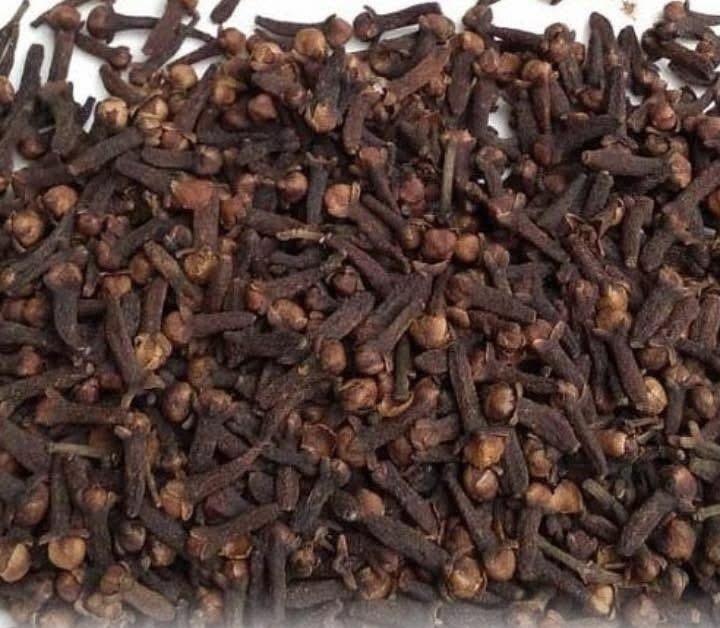
Cloves have been used for centuries in traditional cooking and herbal practices, valued for their warm aroma, bold flavor, and natural plant compounds. In recent years, cloves have gained attention online for their potential role in supporting overall wellness, including metabolic health. However, it is important to approach these discussions with clarity, balance, and accurate information.
This article explores what cloves are, how they are traditionally used, what science suggests about their properties, and how they may fit into a healthy lifestyle—without making unrealistic or unsafe claims.
Understanding Cloves as a Natural Ingredient
Cloves are the dried flower buds of the clove tree and are widely used as a spice in both sweet and savory dishes. They contain natural compounds such as eugenol, flavonoids, and antioxidants, which are responsible for their distinctive aroma and many of their traditional uses.
In many cultures, cloves are used:
- As a culinary spice
- In herbal teas
- For oral freshness
- As part of traditional wellness routines
Their strong flavor means that even small amounts are usually enough.
Cloves and General Wellness
Cloves are rich in antioxidants, which help protect cells from oxidative stress. Antioxidants are important for overall health because they support the body’s natural defense systems.
Some research suggests that cloves may help:
- Support normal digestion
- Contribute to oral hygiene
- Provide antioxidant support
- Complement a balanced diet
These benefits come from regular, moderate use as part of a healthy lifestyle—not from extreme or isolated consumption.
Blood Sugar Support: A Balanced Perspective
There is growing interest in how certain spices, including cloves, may help support normal blood sugar levels when used alongside a balanced diet and healthy habits. Some laboratory and small-scale studies suggest that compounds found in cloves may help support insulin function and glucose metabolism.
However, it is very important to understand the difference between supporting overall metabolic health and treating or curing a medical condition.
Cloves:
- Are not a cure for diabetes
- Should not replace prescribed medication
- Should not be used as a standalone treatment
Managing blood sugar effectively requires medical guidance, proper nutrition, physical activity, and, when needed, medication prescribed by a healthcare professional.
Traditional Ways People Use Cloves
Many people include cloves in their daily routines in gentle, traditional ways:
- Clove tea: A few cloves steeped in hot water
- Culinary use: Added to soups, stews, rice, or baked goods
- Chewing a clove: Traditionally used for oral freshness (short-term use only)
Moderation is key. Because cloves are potent, excessive consumption may cause irritation or discomfort.
Safety and Responsible Use
While cloves are natural, they are also powerful. Consuming large amounts—especially in concentrated forms—can cause side effects such as:
- Mouth or stomach irritation
- Digestive discomfort
- Interactions with medications
People with medical conditions, including diabetes, should always consult a healthcare professional before making dietary changes or adding herbal products to their routine.
A Healthy Lifestyle Matters Most
No single food or spice can replace the foundations of good health. For blood sugar balance and long-term wellness, the most effective approach includes:
- A balanced, nutrient-rich diet
- Regular physical activity
- Adequate sleep
- Stress management
- Medical supervision when needed
Cloves can be a flavorful and beneficial addition to a healthy diet, but they work best as part of a broader, well-rounded lifestyle.
Common Myths to Be Aware Of
Myth: Chewing cloves can cure diabetes
Reality: There is no scientific evidence that cloves cure diabetes.
Myth: Natural remedies are always safer than medicine
Reality: Natural ingredients can still have side effects and interactions.
Myth: More is better
Reality: Moderate use is safer and more effective.
Final Thoughts
Cloves are a valuable spice with a long history of traditional use and potential wellness-supporting properties. They may contribute to overall health when used responsibly, but they are not a miracle solution and should never be presented as a cure for serious medical conditions.
If you’re interested in natural ways to support your health, cloves can be enjoyed as part of a balanced diet—always with realistic expectations and professional medical guidance.
Healthy choices, consistency, and informed decisions remain the most powerful tools for long-term well-being.