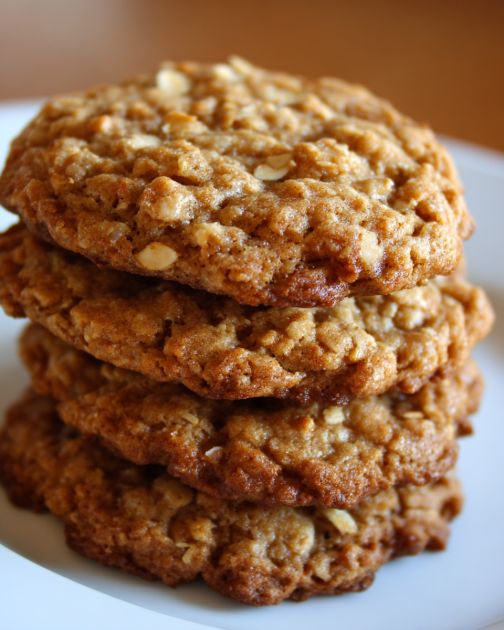
Chewy oatmeal cookies are a timeless treat that brings comfort and warmth with every bite. Their slightly crisp edges and soft, chewy centers make them a favorite for both children and adults alike. Unlike other cookies that can be overly sweet or dense, oatmeal cookies strike a perfect balance between flavor and texture. They are versatile, too, allowing for countless variations by adding ingredients like raisins, chocolate chips, nuts, or even a touch of coconut.
The foundation of a good oatmeal cookie is, of course, the oats. Rolled oats are generally preferred because they provide a hearty texture without making the cookie too heavy. Quick oats can also work if you want a slightly softer cookie, but using steel-cut oats is not recommended because they will remain too hard even after baking. Pairing the oats with flour, sugar, and butter creates the familiar structure of the cookie while leaving plenty of room for creativity.
When making chewy oatmeal cookies, the choice of fat plays an important role. Butter is the classic option, offering a rich flavor and contributing to a tender texture. Some bakers like to combine butter with a little oil to enhance chewiness, while others rely solely on butter and a longer mixing process to achieve the desired consistency. The sugar is equally important. A combination of white and brown sugar is often used, as brown sugar adds moisture and depth of flavor, which is key for that chewy texture.
The process of making oatmeal cookies begins with creaming the butter and sugar together until light and fluffy. This step helps incorporate air, resulting in a lighter cookie, while also blending the sugars evenly. Eggs are then added one at a time, along with vanilla extract, which enhances the overall flavor. Once the wet ingredients are well combined, the dry ingredients—flour, baking soda, salt, and spices such as cinnamon or nutmeg—are gently folded in. Cinnamon, in particular, pairs beautifully with the oats, adding warmth and subtle complexity.
After the dry ingredients, the oats are incorporated into the dough. This is also the stage to add optional mix-ins. Classic oatmeal raisin cookies benefit from plump, soft raisins, while chocolate chip oatmeal cookies offer a sweeter, more indulgent experience. Chopped nuts, such as walnuts or pecans, can introduce a satisfying crunch that contrasts nicely with the chewy center. Some bakers like to sprinkle a few chocolate chips or rolled oats on top of each cookie before baking to make them look extra inviting.
Shaping the cookies is simple, but it can affect the final texture. Using a cookie scoop ensures uniform size, which allows all cookies to bake evenly. Slightly flattening the dough balls before baking can help achieve a balance between a soft interior and a lightly crisp exterior. Baking time is crucial: overbaking will result in dry, crumbly cookies, while underbaking might leave them too soft. Most oatmeal cookies bake well in a moderate oven for 10 to 12 minutes. They may seem slightly undercooked when removed from the oven, but they continue to set as they cool.
Cooling is another important aspect of achieving the perfect chewy texture. Allowing the cookies to rest on the baking sheet for a few minutes before transferring them to a wire rack helps them firm up while keeping the centers soft. Properly cooled cookies can be stored in an airtight container for several days. If you like your cookies extra chewy, adding a slice of bread to the container can help maintain moisture.
Oatmeal cookies are not just delicious but also offer a bit of nutritional benefit compared to traditional sugar cookies or chocolate chip cookies. The oats provide fiber, and adding nuts or dried fruits can contribute healthy fats and vitamins. While they are still a treat and should be enjoyed in moderation, oatmeal cookies can be a slightly more wholesome indulgence.
For those who enjoy experimenting in the kitchen, oatmeal cookies offer endless possibilities. Some variations include adding shredded coconut for a tropical twist or incorporating dried cranberries and white chocolate for a festive option. Spices like ginger, cardamom, or allspice can give the cookies a unique flavor profile, while a dash of orange or lemon zest can brighten the taste. No matter the variation, the core elements—oats, sugar, butter, and eggs—remain the same, ensuring that every batch is familiar yet versatile.
Chewy oatmeal cookies also lend themselves well to seasonal celebrations. During the holidays, they can be decorated with a simple dusting of powdered sugar or a drizzle of melted chocolate. In the summer, adding fresh or dried berries can make them feel lighter and more refreshing. They are perfect for packing in lunchboxes, serving with tea or coffee, or simply enjoying as a snack at any time of the day.
In conclusion, chewy oatmeal cookies are a classic that never goes out of style. Their appealing texture, comforting flavors, and versatility make them a favorite for bakers and cookie lovers alike. By understanding the key ingredients and baking techniques, anyone can create a batch of perfectly chewy oatmeal cookies. Whether you stick to the traditional recipe or experiment with mix-ins and spices, these cookies offer a delightful treat that is both satisfying and comforting.