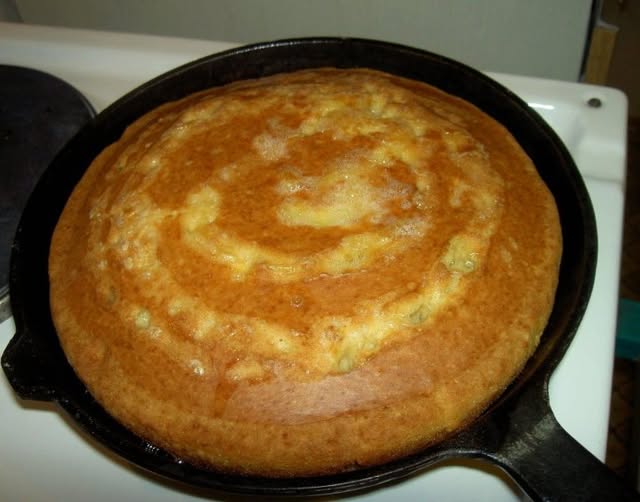
Buttermilk cornbread is one of those timeless recipes that feels like home the moment it comes out of the oven. Warm, golden, and lightly crisp around the edges, it has a tender crumb inside that balances savory richness with just a hint of natural sweetness. Whether served alongside a bowl of chili, a plate of fried chicken, or enjoyed on its own with a pat of butter, classic buttermilk cornbread has earned its place as a staple in kitchens across generations.
What makes buttermilk cornbread so special is its simplicity. The ingredients are humble and familiar, yet when combined correctly, they create something deeply comforting. Cornmeal provides that unmistakable texture and flavor, while buttermilk adds moisture and a subtle tang that keeps the bread soft without being heavy. Unlike overly sweet versions, traditional buttermilk cornbread focuses on balance, letting the corn flavor shine through.
The history of cornbread runs deep, especially in Southern cooking. Long before wheat flour was common, cornmeal was widely available and affordable. Cornbread became a daily bread for many families, baked in cast iron skillets over open fires or in wood-burning ovens. Over time, variations developed, but the buttermilk version remained a favorite for its tenderness and rich taste.
One of the keys to excellent buttermilk cornbread is the cornmeal itself. Stone-ground cornmeal offers a more robust corn flavor and slightly coarser texture, while finely ground cornmeal produces a softer crumb. Either can work, depending on preference, but many cooks favor a medium grind for the perfect balance. Yellow cornmeal is most common, though white cornmeal is traditional in some regions and creates a lighter-colored bread with a milder taste.
Buttermilk plays a crucial role beyond flavor. Its acidity reacts with baking soda or baking powder to help the cornbread rise, creating a lighter texture. It also tenderizes the crumb and prevents dryness, which is especially important since cornmeal contains no gluten. If real buttermilk is available, it is always the best choice, but a homemade substitute using milk and a bit of vinegar or lemon juice can work in a pinch.
Fat is another important element. Butter adds rich flavor, while oil contributes moisture. Many classic recipes use a combination of both. Melted butter enhances the taste, while a neutral oil helps keep the cornbread soft even after it cools. Some traditional cooks also use bacon drippings, which add a savory depth that pairs beautifully with the corn.
Eggs provide structure and help bind the ingredients together. They also contribute to the bread’s tenderness. Using room-temperature eggs allows them to mix more evenly into the batter, resulting in a smoother texture. Overmixing should be avoided, as it can make the cornbread dense. Stirring just until the ingredients are combined is enough.
Sugar is a point of debate when it comes to cornbread. Some believe cornbread should never be sweet, while others enjoy a slight sweetness. Traditional buttermilk cornbread typically uses little to no sugar, allowing the corn flavor to dominate. If sugar is included, it should be minimal, just enough to enhance the natural sweetness of the corn without turning the bread into a cake.
The baking vessel matters more than many people realize. A cast iron skillet is often considered the gold standard for cornbread. When preheated properly, it creates a beautifully crisp crust on the bottom and edges while keeping the inside moist. The sizzle of batter hitting a hot skillet is part of the magic. If a cast iron skillet is not available, a metal or ceramic baking dish can be used, though the crust may be softer.
Preheating the oven and the pan is essential. Cornbread batter benefits from immediate heat, which helps it rise quickly and set properly. Pouring the batter into a hot, greased skillet ensures even cooking and that signature golden crust. The smell that fills the kitchen as it bakes is unmistakable and comforting.
As the cornbread bakes, the top turns golden and may crack slightly, a sign that it is nearly done. A toothpick inserted into the center should come out clean or with just a few moist crumbs. Overbaking should be avoided, as it can dry out the bread. Cornbread continues to cook slightly after being removed from the oven, so pulling it out at the right moment is important.
Once baked, buttermilk cornbread is best enjoyed warm. A slice split open with melting butter is simple perfection. It pairs beautifully with savory dishes like beans, greens, stews, and soups. It can also be served with honey, jam, or even a drizzle of hot sauce for those who enjoy contrast.
Leftover cornbread stores well and can be repurposed in many ways. It can be crumbled into stuffing, used as a base for cornbread dressing, or toasted and served with breakfast. Some people even enjoy it cold straight from the refrigerator, as the flavors deepen over time.
Buttermilk cornbread is more than just a side dish. It represents tradition, comfort, and the beauty of simple ingredients done right. It does not rely on fancy techniques or expensive components. Instead, it rewards care, balance, and respect for the basics. Each batch carries a sense of nostalgia, whether it reminds you of family dinners, holiday meals, or quiet evenings at home.
Making buttermilk cornbread from scratch is an experience worth savoring. From mixing the batter to hearing it sizzle in the pan, every step feels grounding. The result is a bread that feels honest and satisfying, something that never goes out of style. In a world of complicated recipes, buttermilk cornbread remains a reminder that some of the best food comes from simplicity.
Whether you are baking it for the first time or the hundredth, buttermilk cornbread always delivers warmth and comfort. It belongs on the table, shared with others, enjoyed slowly, and remembered fondly.