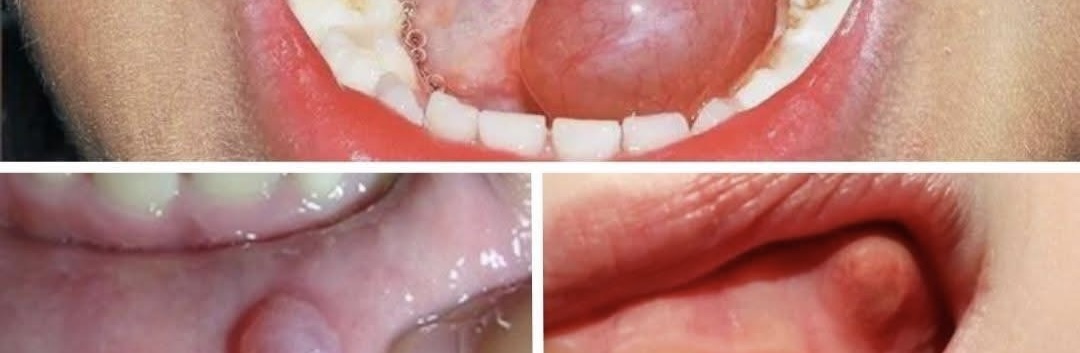
If you’ve noticed a small, painless bump inside your mouth—especially under the tongue or on the inner lips—it could be an oral mucocele. These fluid-filled sacs are among the most common benign (noncancerous) oral lesions. While they often look alarming, mucoceles are usually harmless and can disappear on their own. However, in some cases, medical attention may be needed to prevent infection or recurrence.
This article explains what oral mucoceles are, how to recognize their symptoms, what causes them, and the best treatment options available—so you can understand what’s happening and when to seek professional care.
What Is a Mucocele?
A mucocele, also known as a mucous cyst, is a soft, dome-shaped swelling that develops when the mouth’s small salivary glands become blocked or injured. Saliva leaks into the surrounding tissue, forming a smooth, bubble-like lump filled with clear or bluish fluid.
They can occur anywhere inside the mouth but are most common in:
- The lower lip (from accidental biting)
- The floor of the mouth (called ranula)
- The inside of the cheeks
- The underside of the tongue
- The gums
Mucoceles vary in size—from a few millimeters to over a centimeter—and may appear suddenly after minor trauma or irritation.
Early Symptoms and Signs
Typical early symptoms include:
- A round, raised bump inside the mouth
- A smooth surface that looks shiny or translucent
- Soft and movable texture when touched
- No pain, unless irritated or infected
- Fluctuating size — it may grow, shrink, or burst on its own
In some cases, a mucocele may burst, releasing a clear or slightly sticky fluid, then reform later. When the cyst is located under the tongue (a ranula), it can become quite large and interfere with speaking or swallowing.
Common Causes of Oral Mucoceles
Mucoceles form when a salivary gland duct is damaged or blocked. The most frequent triggers include:
- Accidental biting or trauma
Biting your lip or cheek—especially during eating, sleeping, or sports—can injure the tiny ducts that carry saliva. - Repetitive irritation
Constant friction from braces, dentures, or sharp teeth can irritate gland ducts and cause cyst formation. - Lip or tongue piercings
Jewelry can injure the inner tissue, leading to swelling and blockage of salivary glands. - Chronic lip sucking or chewing habits
Repetitive habits increase pressure on salivary ducts. - Infections or inflammation
Though less common, infections around the salivary glands can block ducts temporarily.
When to See a Doctor or Dentist
While many mucoceles resolve naturally within a few weeks, you should consult a dentist, oral surgeon, or ENT specialist if:
- The bump persists for more than two weeks
- It keeps coming back after bursting
- It becomes painful, red, or infected
- You experience difficulty speaking, swallowing, or chewing
- The swelling is under the tongue and seems to be growing (possible ranula)
A doctor can diagnose the lesion through visual examination and, if needed, perform a biopsy to rule out other conditions like infections, cystic tumors, or oral cancer.
Treatment Options
- Observation (no treatment needed)
Small mucoceles often disappear naturally as the duct heals and saliva flow normalizes. - Surgical removal
Persistent or large cysts can be safely removed under local anesthesia. The procedure involves removing both the cyst and the affected salivary gland to prevent recurrence. - Laser therapy
A minimally invasive method using a soft tissue laser to vaporize the cyst with minimal bleeding or discomfort. - Cryotherapy (freezing)
Sometimes used for smaller cysts, this method freezes the tissue to remove it. - Home care
Avoid biting or poking the bump, keep your mouth clean, and use a saltwater rinse to reduce irritation.
Prevention Tips
- Avoid biting your lips or cheeks.
- Be cautious with oral piercings and remove them if they cause trauma.
- Maintain good oral hygiene to prevent inflammation or infection.
- Protect your mouth during sports with a mouthguard.
- Get regular dental check-ups to catch early lesions.
Are Mucoceles Dangerous?
In most cases, mucoceles are benign and not dangerous. They do not spread, cause systemic illness, or turn into cancer. However, ignoring large or recurring mucoceles can lead to discomfort, infection, or tissue scarring. Proper diagnosis ensures it’s nothing more serious.
Final Thoughts
A small, clear bump inside your mouth might look concerning, but it’s often just a mucocele—a minor salivary gland cyst caused by irritation or trauma. Most heal on their own, but persistent or painful ones need professional evaluation. With quick attention and simple treatment, you can completely remove the cyst and prevent it from returning.
If you notice a lump that doesn’t go away within two weeks, the best step is always to consult a dentist or oral health specialist. Early evaluation ensures peace of mind and a healthy smile.