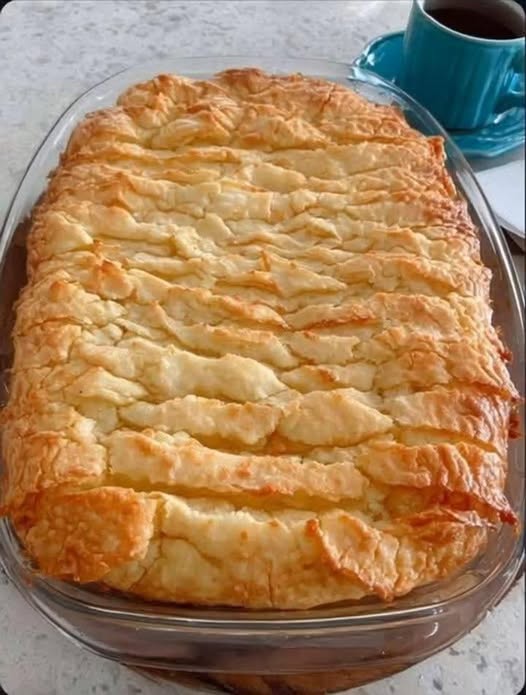
Crinkle cake is one of those desserts that instantly captures attention before the first bite is even taken. The surface is beautifully crackled, slightly crisp on top, and hints at the rich, fudgy interior beneath. It looks rustic, indulgent, and deeply inviting. Once sliced, the soft and moist center confirms what the appearance promises. This cake is pure comfort, blending the best qualities of a brownie with the lightness of a classic cake.
What makes crinkle cake so special is its texture contrast. The top forms delicate cracks as it bakes, creating a thin, shiny crust that gives way to a dense yet tender crumb. This contrast is what keeps people coming back for another slice. It feels familiar, like a childhood treat, yet special enough to serve on any occasion.
Crinkle cake does not rely on elaborate decorations or layers. Its beauty comes naturally from the baking process. As the batter rises and sets, the surface splits gently, forming those signature cracks that give the cake its name. The result is a dessert that looks handmade, warm, and irresistibly homemade.
At its heart, crinkle cake is built on simple pantry ingredients. Butter adds richness and depth. Sugar provides sweetness and contributes to the crackled top. Eggs bring structure while keeping the crumb soft. Cocoa or chocolate delivers that deep, fudgy flavor that makes each bite satisfying. Flour binds everything together without making the cake heavy.
One of the reasons this cake is so popular is its balance. It is rich without being overwhelming. Moist without being underbaked. Sweet without losing the slight bitterness of chocolate that keeps the flavor grounded. This balance makes it appealing to a wide range of tastes.
The mixing process is straightforward, but technique still matters. Creaming the butter and sugar properly helps incorporate air, which supports the cake as it bakes. Adding eggs gradually ensures a smooth batter. When the dry ingredients are folded in, care is taken not to overmix. Overmixing can lead to a tough crumb, while gentle mixing preserves the soft texture.
The batter itself is thick and glossy, often resembling brownie batter more than traditional cake batter. This thickness is intentional. It allows the cake to bake evenly while retaining moisture. As the cake bakes, the edges set first, while the center remains soft and fudgy.
The crackled top forms naturally as moisture escapes from the surface during baking. The sugar in the batter plays a key role here, creating a thin crust that splits as the cake expands. This process gives crinkle cake its signature look without any special steps or tools.
Timing is crucial when baking this cake. Pulling it from the oven at just the right moment ensures the interior stays moist. The center should be set but still soft, with a slight give when gently pressed. Overbaking can dry out the cake, while underbaking may cause it to collapse as it cools.
As the cake cools, the cracks become more pronounced, and the aroma deepens. The surface firms slightly, making it easier to slice cleanly while preserving the soft interior. Allowing the cake to cool before cutting also helps the flavors settle and intensify.
Crinkle cake is incredibly versatile. It can be enjoyed plain, allowing the chocolate flavor to shine on its own. A light dusting of powdered sugar adds a touch of sweetness and enhances the crackled appearance. A scoop of vanilla ice cream or a dollop of whipped cream turns it into a simple yet elegant dessert.
This cake also adapts well to variations. Adding chocolate chips creates pockets of melted chocolate throughout the crumb. Swirling in peanut butter or caramel introduces extra richness. A hint of espresso powder deepens the chocolate flavor without making the cake taste like coffee.
Despite its indulgent texture, crinkle cake is surprisingly easy to make. It does not require special pans, advanced techniques, or long preparation times. This makes it ideal for both beginner bakers and experienced cooks looking for a reliable, crowd-pleasing dessert.
Crinkle cake is also a wonderful make-ahead option. It keeps well at room temperature for a couple of days when stored properly. The texture remains moist, and the flavors continue to develop. In some cases, it even tastes better the next day.
Serving this cake often sparks conversation. People notice the cracked top and ask how it was made. They comment on how moist it is, how it feels like a brownie and a cake combined. It is the kind of dessert that feels familiar yet still impresses.
There is something comforting about desserts like crinkle cake. They do not strive for perfection or precision. Instead, they celebrate texture, flavor, and warmth. The cracks on top are not flaws but features, reminders that baking is as much about feel and intuition as it is about measurements.
Crinkle cake fits effortlessly into many occasions. It works as a casual family dessert, a potluck contribution, or a simple celebration cake. It does not need frosting or decoration to stand out. Its charm lies in its simplicity.
For those who love brownies but want something slightly lighter, this cake offers the best of both worlds. It satisfies chocolate cravings while providing a soft, sliceable structure that feels more like cake. Each bite melts in the mouth, leaving behind a rich chocolate finish.
In the end, crinkle cake is a reminder that some of the best desserts are the ones that feel honest and comforting. Moist, fudgy, and beautifully crackled on top, it delivers exactly what it promises. A brownie dream in cake form, baked to perfection and meant to be shared.