Greatest Way To Make Mouth-Watering Meatloaf
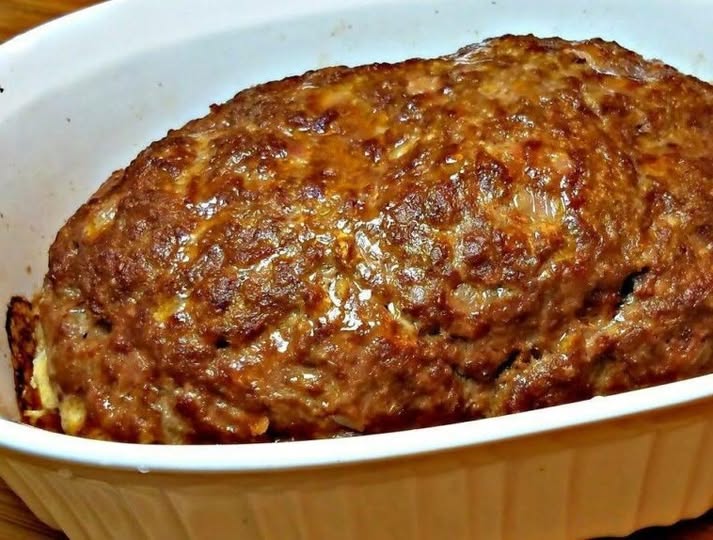
A perfectly made meatloaf is one of the most comforting dinners you can bring to the table. It’s warm, hearty, tender, and rich with flavor. For many families, meatloaf has always been a classic, but the best version isn’t dry, dense, or boring. The greatest meatloaf is moist on the inside, slightly caramelized on the outside, and seasoned just right so every bite is satisfying.
This recipe focuses on texture, moisture, and seasoning balance. A good meatloaf should hold together beautifully when sliced but still stay juicy. It shouldn’t taste overly like ketchup, nor should it rely heavily on breadcrumbs. Everything works together to create a tender loaf that cooks evenly and delivers that nostalgic home-cooked feeling.
Meatloaf is also a flexible dish. You can make it with beef alone or combine beef with pork for extra richness. You can include vegetables, cheese, or different spices. But the version below sticks to the classic flavor profile that has worked for generations, using ingredients you probably already have in your kitchen.
The magic comes from three things: the binder, the glaze, and the baking method. The binder keeps the meatloaf soft but structured. The glaze adds that unmistakable sweet-and-savory finish. And the baking technique ensures you get a juicy loaf that doesn’t dry out. Small details make a big difference here.
Below is the full recipe along with detailed instructions and helpful tips to ensure your meatloaf turns out perfect every time.
Ingredients
For the meatloaf:
2 pounds ground beef
1 small onion, finely diced
2 cloves garlic, minced
2 large eggs
3⁄4 cup milk
1 cup breadcrumbs
2 tablespoons Worcestershire sauce
1 teaspoon salt
1⁄2 teaspoon black pepper
1 teaspoon Italian seasoning
1 tablespoon ketchup
For the glaze:
1⁄2 cup ketchup
2 tablespoons brown sugar
1 tablespoon Worcestershire sauce
1 teaspoon mustard
Instructions
Start by preheating your oven to 375°F (190°C). Lightly grease a baking dish or line it with parchment paper for easier cleanup.
In a large bowl, combine the ground beef, diced onion, garlic, eggs, milk, breadcrumbs, Worcestershire sauce, salt, pepper, Italian seasoning, and a spoonful of ketchup. Mixing everything by hand gives you the best control over the texture. Combine gently and avoid overmixing. Overworking the mixture can make the meatloaf dense instead of tender.
Shape the mixture into a loaf and place it in the baking dish. You can also use a loaf pan, but shaping it by hand allows the heat to circulate more evenly, helping the meatloaf cook faster and stay moist.
In a separate small bowl, whisk together the ketchup, brown sugar, Worcestershire sauce, and mustard. This glaze is sweet, tangy, and a little smoky, giving the meatloaf its signature finish.
Spread half of the glaze over the top of the meatloaf before baking. The rest will be added later.
Place the meatloaf in the oven and bake for about 45 minutes. Remove it briefly, spread the remaining glaze on top, and return it to the oven for an additional 15 to 20 minutes. The glaze should be glossy and slightly caramelized when done. The internal temperature should reach 160°F (71°C).
Once fully cooked, let the meatloaf rest for 10 minutes before slicing. This allows the juices to settle and keeps each slice moist and intact.
Why This Meatloaf Works
A truly good meatloaf has a delicate balance of softness and structure. This recipe uses milk and breadcrumbs, which soak together and create what is known as a “panade.” The panade keeps the meat moist, preventing it from becoming dry or crumbly. The eggs help bind everything, while the Worcestershire sauce adds depth and savoriness.
The glaze is another important element. Instead of baking the loaf entirely dry and adding sauce later, this recipe layers the glaze during cooking. The first layer melts into the meat, while the second layer forms the glossy coating that makes every slice appealing.
Cooking meatloaf free-form instead of tightly packed in a loaf pan encourages even heat distribution. This prevents the center from becoming dense while the outer layer overcooks. It also helps excess fat drain away more easily.
Tips for the Best Meatloaf Every Time
Do not overmix the meat. Gentle mixing keeps the texture soft.
Chill the mixture for 10 minutes before shaping if it feels too soft.
Dice the onions very finely so they cook fully and blend into the loaf.
Use 80/20 ground beef for the juiciest result. Leaner meat will be drier.
Let the meatloaf rest before cutting. This keeps the slices neat.
Variations You Can Try
Cheesy Meatloaf
Add one cup of shredded cheddar, mozzarella, or a cheese blend to the mixture.
Vegetable-Loaded Meatloaf
Mix in grated carrots, finely diced bell peppers, or chopped mushrooms for added moisture and nutrition.
BBQ Meatloaf
Replace ketchup in the glaze with your favorite barbecue sauce.
Italian-Style Meatloaf
Add grated Parmesan, fresh parsley, and a spoonful of marinara sauce inside the loaf.
Serving Suggestions
Meatloaf pairs wonderfully with classic sides like mashed potatoes, roasted vegetables, green beans, or buttered corn. A simple salad can also provide a refreshing contrast to the rich flavor of the loaf. For leftovers, meatloaf sandwiches are incredibly satisfying—simply place a slice between two pieces of bread with a touch of mayonnaise or mustard.
Storing and Reheating
Leftover meatloaf keeps well in the refrigerator for up to four days. To reheat, warm slices in the oven or air fryer until heated through. You can also freeze meatloaf for up to three months. Wrap it tightly and thaw overnight before reheating.
Final Thoughts
This recipe focuses on what makes meatloaf great: simple ingredients, thoughtful technique, and a glaze that ties everything together. It’s comforting, flavorful, and perfect for both weeknight meals and family gatherings. Once you make it this way, it might become the version you return to again and again.