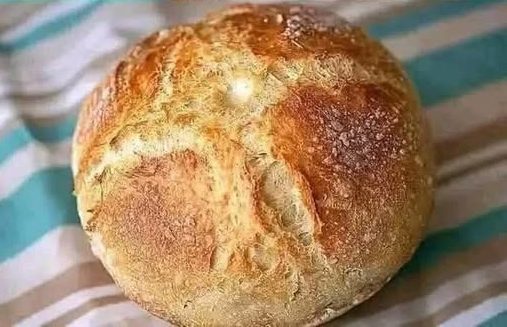
There’s something deeply comforting about baking your own bread at home. The smell alone—warm, herby, and slightly crisp—can turn any kitchen into a cozy space. This rustic rosemary artisan bread is simple, flavorful, and doesn’t require complicated techniques. With a crisp crust and a soft, airy interior, it’s the kind of bread that feels both homemade and bakery-quality at the same time.
What makes this recipe special is its simplicity. You don’t need fancy equipment or professional skills. Just a few basic ingredients, a little patience, and you’ll end up with a loaf that looks and tastes amazing. The addition of rosemary gives it a fragrant, slightly earthy flavor that pairs beautifully with many dishes.
Ingredients You’ll Need
- 3 cups all-purpose flour
- 1 ½ teaspoons salt
- 1 teaspoon sugar
- 2 teaspoons instant yeast
- 1 ¼ cups warm water
- 2 tablespoons olive oil
- 1 tablespoon fresh rosemary (or 1 teaspoon dried)
These ingredients come together to create a dough that’s easy to handle and full of flavor.
Step-by-Step Instructions
Start by mixing the dry ingredients in a large bowl. Combine the flour, salt, sugar, and yeast. Stir them together so everything is evenly distributed.
Next, add the warm water and olive oil. Mix until a rough dough begins to form. It might look a bit sticky at first, but that’s completely normal.
Add the rosemary and begin kneading the dough. You can do this by hand on a lightly floured surface or keep it in the bowl. Knead for about 8 to 10 minutes until the dough becomes smooth and elastic. If it feels too sticky, add a small amount of flour, but try not to add too much—you want the dough to stay soft.
Once kneaded, shape the dough into a ball and place it in a lightly oiled bowl. Cover it with a clean towel or plastic wrap and let it rise in a warm place for about 1 to 2 hours, or until it doubles in size.
After the first rise, gently punch down the dough to release air. Transfer it to a floured surface and shape it into a round loaf. You can keep it rustic—no need to make it perfect.
Place the shaped dough on a baking tray lined with parchment paper. Cover it again and let it rest for another 30 to 40 minutes. This second rise helps improve the texture and structure.
While the dough is resting, preheat your oven to 220°C (430°F). If you have a baking stone or a heavy tray, place it in the oven to heat up as well.
Before baking, make a few shallow cuts on top of the dough using a sharp knife. This helps the bread expand properly in the oven.
Bake for about 25 to 30 minutes, or until the crust turns golden brown and sounds hollow when tapped. For an extra crispy crust, you can place a small tray of water in the oven to create steam during baking.
Once baked, remove the bread and let it cool on a wire rack. This step is important—cutting it too early can affect the texture inside.
Texture and Flavor
This bread has a crisp, slightly crunchy crust and a soft, airy inside. The rosemary adds a gentle herbal note that makes it feel more refined than plain bread. It’s perfect for dipping in olive oil, serving alongside soups, or making sandwiches.
Tips for Best Results
Use fresh rosemary if possible for a stronger, more natural flavor.
Don’t rush the rising time—this is key for a light texture.
Avoid adding too much flour while kneading to keep the bread soft.
Let the bread cool completely before slicing for the best structure.
Serving Ideas
This bread pairs beautifully with soups, salads, or cheese boards. You can also toast slices and drizzle them with olive oil for a simple snack. It’s versatile enough to complement both everyday meals and special occasions.
Storage
Store the bread at room temperature in a cloth bag or wrapped in a towel for up to two days. For longer storage, you can freeze it and reheat when needed.
A Simple, Rewarding Bake
Rustic rosemary artisan bread is proof that homemade baking doesn’t have to be complicated to be delicious. With a little time and care, you can create a loaf that’s full of flavor, texture, and warmth. It’s the kind of recipe that brings satisfaction not just in eating, but in the process itself.