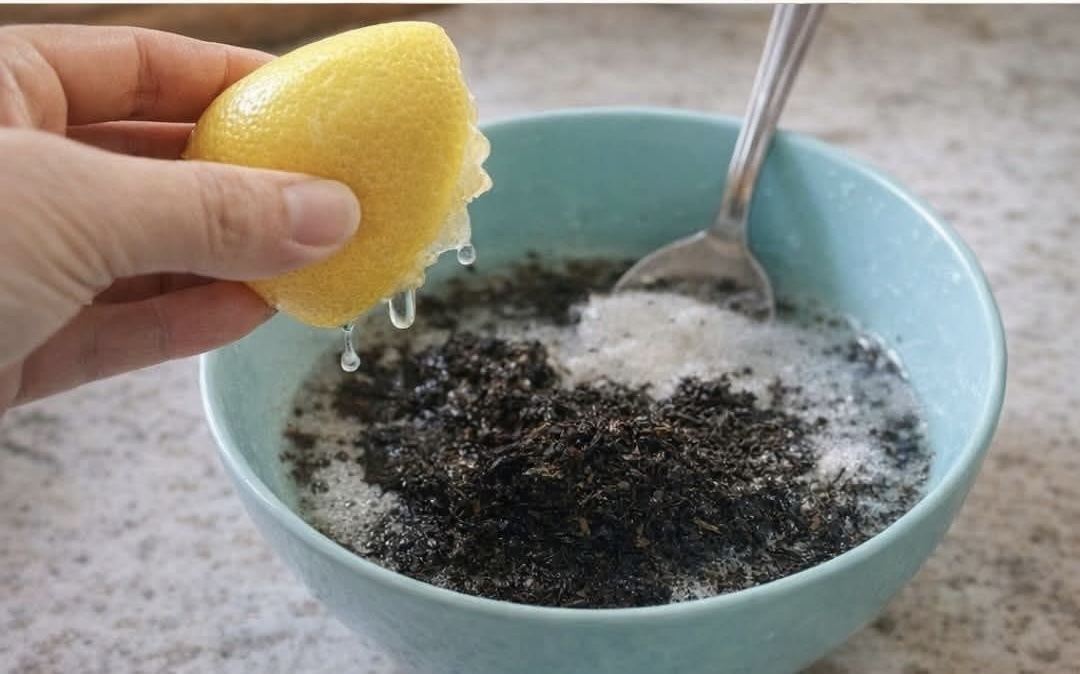
Oral health plays a critical role in overall well-being. A healthy smile is not only about appearance—it is closely linked to digestion, confidence, and even heart health. With the growing popularity of natural remedies, many people are turning to homemade solutions such as lemon, salt, or charcoal mixtures to clean their teeth and remove stains.
These methods are often promoted as quick fixes for whitening teeth, removing plaque, and even reversing damage. But how effective are they really? And more importantly, are they safe?
This article explores natural teeth cleaning remedies, their potential benefits, their risks, and the best practices for maintaining strong, healthy teeth in a professional and balanced way.
Understanding Tooth Stains and Plaque
Before discussing remedies, it is important to understand what causes dental discoloration and buildup.
Tooth Stains
Tooth stains are generally divided into two categories:
- Extrinsic stains: Caused by external factors such as coffee, tea, smoking, and certain foods
- Intrinsic stains: Occur within the tooth structure due to aging, medications, or trauma
Plaque and Tartar
Plaque is a soft, sticky film of bacteria that forms on teeth. If not removed regularly, it hardens into tartar, which can lead to:
- Tooth decay
- Gum disease
- Bad breath
Proper oral hygiene is essential to prevent these issues.
Popular Natural Remedies for Teeth Cleaning
Several natural ingredients are commonly used in home remedies. While some may provide mild benefits, others can be harmful if misused.
Lemon and Salt Mixture
This combination is often promoted as a natural whitening solution.
Potential benefits:
- Lemon has antibacterial properties
- Salt can act as a mild abrasive
Risks:
- Lemon is highly acidic and can erode tooth enamel
- Frequent use can increase tooth sensitivity and damage
Activated Charcoal
Charcoal is widely used in natural oral care products.
Potential benefits:
- May help remove surface stains
- Absorbs certain impurities
Risks:
- Highly abrasive
- Can wear down enamel over time
Baking Soda
Baking soda is one of the safer natural options when used correctly.
Benefits:
- Mild abrasive that helps remove stains
- Neutralizes acids in the mouth
Precautions:
- Should not be overused
- Best used occasionally alongside regular toothpaste
Can Natural Remedies Replace Professional Dental Care?
The simple answer is no.
While natural remedies may help with surface cleaning or minor staining, they cannot:
- Remove hardened tartar effectively
- Treat cavities
- Reverse tooth decay
- Replace professional dental cleaning
Dentists use specialized tools and techniques that ensure deep cleaning without damaging the teeth.
The Risks of Overusing DIY Teeth Cleaning Methods
Many viral remedies promise fast results, but excessive use can lead to long-term damage.
Enamel Erosion
Tooth enamel is the protective outer layer of the teeth. Once it is damaged, it cannot regenerate.
Acidic and abrasive substances can:
- Thin enamel
- Increase sensitivity
- Make teeth more prone to decay
Gum Irritation
Strong or improper mixtures can irritate the gums, leading to discomfort or inflammation.
Increased Sensitivity
Overuse of harsh ingredients can expose the inner layers of the teeth, causing pain when consuming hot or cold foods.
Safe Natural Practices for Oral Health
If you prefer natural approaches, there are safer ways to support oral hygiene.
Oil Pulling
Using natural oils like coconut oil can help reduce bacteria in the mouth.
Herbal Mouth Rinses
Infusions made from herbs such as mint or clove can provide antibacterial benefits.
Proper Hydration
Drinking enough water helps wash away food particles and bacteria.
Daily Habits That Protect Your Teeth
Natural remedies alone are not enough. Consistent daily habits are the foundation of good oral health.
Brushing Twice Daily
Use fluoride toothpaste and a soft-bristled toothbrush to clean your teeth effectively.
Flossing Regularly
Flossing removes plaque and food particles between teeth where brushing cannot reach.
Limiting Sugary Foods
Sugar feeds harmful bacteria that contribute to tooth decay.
Regular Dental Checkups
Professional cleanings and examinations are essential for preventing serious issues.
A Gentle Natural Whitening Option
If you want a safer natural approach, consider this mild method:
Ingredients:
- 1 teaspoon baking soda
- A few drops of water
Instructions:
- Mix into a paste
- Use gently once a week
- Rinse thoroughly
This method helps remove surface stains without excessive damage when used in moderation.
When to See a Dentist
It is important to seek professional care if you notice:
- Persistent tooth pain
- Bleeding gums
- Dark spots or cavities
- Increased sensitivity
Early treatment prevents more serious complications.
Balancing Natural Remedies and Modern Care
Natural remedies can complement your oral care routine, but they should never replace proven dental practices.
A balanced approach includes:
- Using safe natural options occasionally
- Maintaining daily oral hygiene
- Visiting a dentist regularly
This combination ensures both short-term cleanliness and long-term dental health.
Final Thoughts
Natural teeth cleaning remedies such as lemon, salt, and charcoal may offer temporary cosmetic benefits, but they must be used with caution. Many popular DIY methods can do more harm than good when used excessively or incorrectly.
The key to a healthy, bright smile lies in consistency, proper care, and informed choices. By combining safe natural practices with professional dental care, you can protect your teeth, maintain their strength, and enjoy long-lasting oral health.
A beautiful smile is not achieved overnight—it is the result of daily habits, balanced choices, and proper care over time.