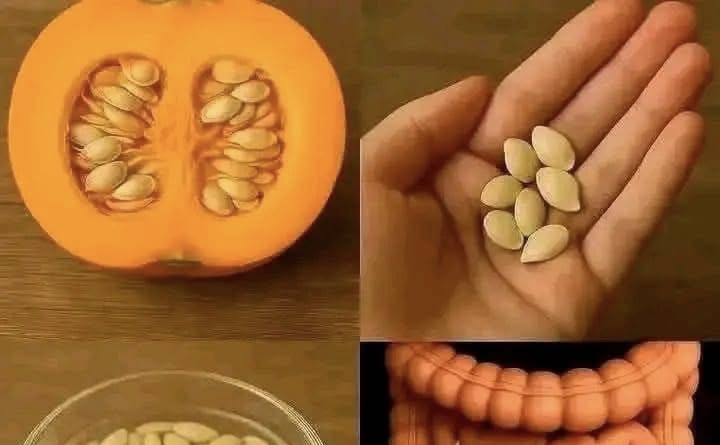
Pumpkin seeds may look small and ordinary, but they have earned a strong reputation in healthy eating for a reason. These little seeds are packed with nutrients, easy to prepare, and simple to include in everyday meals. Many people enjoy them as a snack, while others use them as part of a more natural approach to supporting digestion and overall wellness.
What makes pumpkin seeds so popular is their balance of convenience and nutrition. They are rich in healthy fats, fiber, plant compounds, and minerals that help support the body in many ways. They are not a miracle food, and they should not be treated like magic, but they can absolutely be part of a healthy lifestyle.
If you are looking for an easy food to add to your diet for better digestive balance, pumpkin seeds are worth paying attention to. They are affordable, versatile, and surprisingly satisfying. You can eat them roasted, soaked, blended, or sprinkled over meals. Best of all, they do not require complicated preparation or a dramatic speech from a wellness guru before they become useful.
Why Pumpkin Seeds Are So Popular
Pumpkin seeds have been used in traditional diets for generations. They are known for being nutrient-dense and easy to digest when prepared well. People often include them in recipes because they add texture, flavor, and nourishment without much effort.
One reason pumpkin seeds stand out is their nutritional profile. They contain protein, magnesium, zinc, iron, and beneficial fats. These nutrients play important roles in the body, including support for muscles, immune function, energy production, and general health.
They are also naturally filling, which makes them a smart snack choice for people who want something crunchy and satisfying without reaching for overly processed foods. A small handful can go a long way, which is honestly impressive for something that looks like bird food with confidence.
Pumpkin Seeds and Digestion
Pumpkin seeds are often linked to digestive wellness because they contain fiber and healthy fats. Fiber helps support regular bowel movements and contributes to a balanced digestive routine. Healthy fats can also help meals feel more satisfying and support nutrient absorption.
When eaten as part of a balanced diet, pumpkin seeds may help support normal digestive function. They can be a practical addition to meals for people who want more whole foods in their daily routine. Many people enjoy them in the morning with yogurt or oats, while others prefer them in salads, soups, or homemade snack mixes.
The key is moderation. Eating too many seeds at once may cause discomfort for some people, especially if they are not used to high-fiber foods. Starting with a small amount and increasing slowly is usually the better approach.
Nutrients Found in Pumpkin Seeds
Pumpkin seeds may be small, but they contain a wide variety of nutrients that make them valuable in a healthy diet.
Magnesium
Magnesium supports many functions in the body, including muscle function, nerve health, and energy production. Many people do not get enough magnesium, so foods like pumpkin seeds can be a helpful addition.
Zinc
Zinc plays a role in immune function, skin health, and cellular repair. Pumpkin seeds are one of the better plant-based sources of zinc, which is one reason they are often included in wellness-focused eating plans.
Protein
Pumpkin seeds contain plant-based protein, which helps make them more satisfying than many simple snack foods. Protein supports muscle maintenance and helps keep hunger under control between meals.
Healthy Fats
These seeds also contain beneficial fats that support the body and give the seeds their satisfying texture and rich taste.
Fiber
Fiber supports digestive regularity and helps maintain a healthy eating pattern. It also helps you feel full longer after eating.
Together, these nutrients make pumpkin seeds a smart addition to a diet focused on balance, simplicity, and whole foods.
How to Eat Pumpkin Seeds
One of the best things about pumpkin seeds is how easy they are to use. They fit into everyday meals without much effort.
You can eat pumpkin seeds in many ways:
- Raw as a snack
- Lightly roasted with a little salt
- Added to oatmeal
- Sprinkled over yogurt
- Mixed into granola
- Blended into smoothies
- Added to salads
- Mixed into homemade bread
- Topped over soups
- Combined with nuts and dried fruit
Some people prefer soaking pumpkin seeds before eating them because it may make them softer and easier to chew. Others like roasting them for better flavor. Both options work, and it mostly depends on your preference.
A Simple Pumpkin Seed Routine
If you want to include pumpkin seeds in your day, it does not need to be complicated. A small serving is enough.
A simple routine could look like this:
In the morning, add one or two tablespoons of pumpkin seeds to oatmeal or yogurt. At lunch, sprinkle them over a salad or soup. In the afternoon, enjoy a small handful as a snack instead of heavily processed chips or sweets.
That is enough to include them regularly without going overboard. Healthy eating works best when it fits into real life. Nobody needs a fifteen-step pumpkin seed ceremony before breakfast.
Pumpkin Seeds in Traditional Wellness Practices
In many cultures, pumpkin seeds have long been valued as part of traditional food-based wellness habits. They are often seen as useful for digestion and general nourishment. This long history is one reason they continue to appear in natural food discussions today.
Still, it is important to keep expectations realistic. Pumpkin seeds can be a nutritious food, but they are not a substitute for medical care. If someone has ongoing digestive symptoms, stomach pain, unexplained weight loss, or concerns about infection or parasites, it is important to speak with a qualified healthcare professional rather than rely on home remedies alone.
That balance matters. Food can support wellness, but it does not replace proper diagnosis and treatment when something serious is going on.
How to Choose Good Pumpkin Seeds
Not all pumpkin seeds are equal. Some store-bought versions are heavily salted or coated in added oils and flavorings. These can still be enjoyed occasionally, but plain or lightly roasted pumpkin seeds are usually the better everyday option.
When buying pumpkin seeds, look for:
- Plain or lightly salted versions
- Fresh smell and taste
- No excessive added sugars
- Minimal ingredient list
- Good texture without bitterness
You can also prepare pumpkin seeds at home if you are using a fresh pumpkin. Clean the seeds, dry them, season lightly, and roast them until crisp. Homemade pumpkin seeds often have better flavor and fewer unnecessary additives.
Are Pumpkin Seeds Good for Everyday Eating
Yes, in moderation, pumpkin seeds can be a healthy everyday food for many people. They are convenient, shelf-stable, and easy to add to meals. Because they are nutrient-dense, a small portion is usually enough.
For most adults, one to two tablespoons a day is a reasonable amount to start with. Some people may eat a little more depending on their diet and tolerance. Drinking enough water and balancing seeds with fruits, vegetables, and other fiber-rich foods is also helpful.
As with most healthy foods, consistency matters more than excess. You do not need a giant bowl of seeds to get the benefits of including them regularly.
Easy Recipe Idea With Pumpkin Seeds
If you want a simple way to enjoy pumpkin seeds, here is an easy option.
Pumpkin Seed Yogurt Bowl
Ingredients
- 1 cup plain yogurt
- 1 tablespoon pumpkin seeds
- 1 teaspoon honey
- 1 small banana, sliced
- A pinch of cinnamon
Method
Add the yogurt to a bowl. Top with sliced banana, pumpkin seeds, honey, and cinnamon. Serve immediately.
This makes an easy breakfast or snack that feels balanced, light, and satisfying.
Things to Keep in Mind
Even healthy foods need a little common sense. Pumpkin seeds are nutritious, but they are also calorie-dense, so portion size still matters. People with seed allergies should avoid them. Those with digestive sensitivity may prefer starting with a small amount, especially if they are not used to fiber-rich foods.
It is also important not to rely on social media claims that promise dramatic health results from a single ingredient. Pumpkin seeds can support a healthy diet, but they are not a miracle fix for every digestive problem on earth. If only wellness were that easy, we would all be cured by snacks.
Final Thoughts
Pumpkin seeds are a simple, nourishing food that can support a healthy eating routine. They provide fiber, protein, healthy fats, and important minerals, all in a small and easy-to-use ingredient. They are especially useful for people who want practical food choices that support digestion and overall wellness without adding stress to daily life.
The beauty of pumpkin seeds is their simplicity. They do not need to be expensive, trendy, or complicated. They can be eaten by the spoonful, added to meals, or enjoyed as a quick snack. When used regularly as part of a balanced diet, they can be a smart and satisfying choice.
Healthy eating often works best when it stays simple. Pumpkin seeds are one of those foods that quietly do their job without asking for applause. And honestly, that makes them even better.
Pumpkin Seeds Benefits at a Glance
- Support a balanced diet
- Contain fiber for digestive wellness
- Provide plant-based protein
- Rich in magnesium and zinc
- Easy to add to meals
- Great as a simple daily snack
Keywords
pumpkin seeds benefits, pumpkin seeds for digestion, healthy pumpkin seeds snack, pumpkin seeds nutrition, natural digestive wellness foods, pumpkin seed recipe ideas, fiber-rich seeds, healthy seeds for daily diet, pumpkin seeds for healthy eating, easy pumpkin seed snack