Feeling numbness and tingling in your hands and feet is a common issue that many people experience at some point in their lives. While it can be temporary and harmless, it may also be a sign of underlying health conditions related to nerves, circulation, or lifestyle habits.
In this article, you’ll learn the main causes of numbness and tingling, how to recognize warning signs, and simple ways to improve your nerve health naturally. This guide is structured with Google AdSense-friendly health keywords and written in a clean, easy-to-read format.
What Is Numbness and Tingling?
Numbness refers to a loss of sensation, while tingling is often described as a “pins and needles” feeling. These sensations typically occur when nerves are irritated, compressed, or not receiving proper blood flow.
Common Symptoms
- Tingling or prickling sensation
- Burning feeling
- Weakness in hands or feet
- Reduced sensitivity to touch
- Temporary loss of movement
These symptoms can appear suddenly or develop gradually over time.
Main Causes of Numbness and Tingling
Understanding the root cause is essential for proper management.
Poor Blood Circulation
Reduced blood flow can lead to numbness in the extremities.
Causes of Poor Circulation
- Sitting or standing for long periods
- Lack of physical activity
- Tight clothing or poor posture
Nerve Compression
Pressure on nerves can disrupt signals between the brain and body.
Common Examples
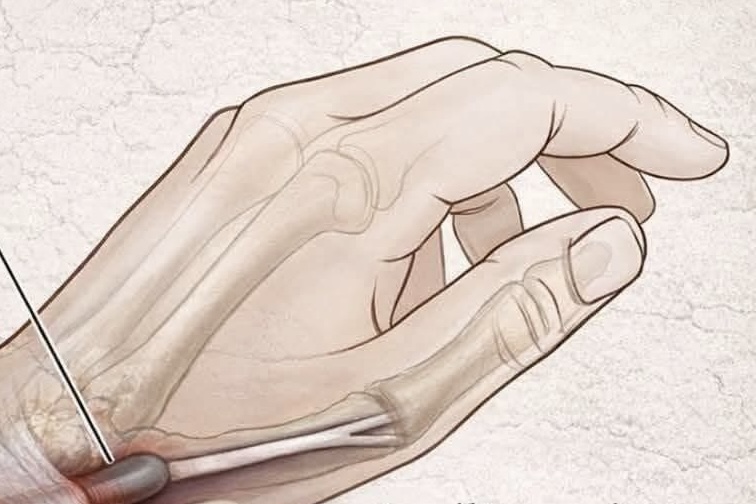
- Carpal tunnel syndrome
- Herniated discs
- Pinched nerves
Vitamin Deficiency
Certain vitamins are essential for nerve health.
Important Nutrients
- Vitamin B12
- Vitamin B6
- Magnesium
Deficiency in these nutrients can cause nerve-related symptoms.
Diabetes
High blood sugar levels can damage nerves over time, leading to a condition called diabetic neuropathy.
Stress and Anxiety
Mental stress can affect the nervous system and lead to tingling sensations.
Lifestyle Factors
Daily habits can contribute to these symptoms.
Common Lifestyle Triggers
- Smoking
- Alcohol consumption
- Poor diet
- Lack of exercise
Improving lifestyle can significantly reduce symptoms.
When Is It Temporary?
Sometimes numbness is harmless and temporary.
Temporary Causes
- Sleeping in an awkward position
- Sitting with crossed legs
- Pressure on a limb
These symptoms usually disappear quickly once normal circulation returns.
When to Be Concerned
Persistent or severe symptoms should not be ignored.
Warning Signs
- Numbness lasting for long periods
- Weakness or loss of coordination
- Sudden onset without clear cause
- Pain along with tingling
In such cases, consult a healthcare professional.
Natural Ways to Reduce Numbness and Tingling
There are simple and effective ways to support nerve and circulation health.
Stay Physically Active
Regular movement improves blood flow and nerve function.
Improve Your Diet
Eat foods rich in essential nutrients.
Recommended Foods
- Leafy greens
- Nuts and seeds
- Whole grains
- Fruits and vegetables
Stay Hydrated
Proper hydration supports circulation and nerve health.
Practice Good Posture
Avoid positions that compress nerves for long periods.
Stretch Regularly
Gentle stretching helps relieve pressure on nerves.
Natural Remedies That May Help
Some natural ingredients are known to support nerve health.
Helpful Options
- Ginger (supports circulation)
- Turmeric (anti-inflammatory properties)
- Garlic (supports blood flow)
- Warm herbal teas
These can be included in a balanced lifestyle.
Simple Daily Routine for Better Circulation
Consistency is key to improvement.
Suggested Routine
- Morning: light stretching or walking
- Midday: stay active and hydrated
- Evening: relaxation and gentle movement
Exercises That Improve Circulation
Physical activity is one of the best ways to reduce numbness.
Recommended Exercises
- Walking
- Yoga
- Stretching
- Light strength training
These activities help improve blood flow and nerve function.
Common Myths About Numbness
There is a lot of misinformation online.
Myth 1: It’s Always Serious
Not all numbness indicates a serious condition.
Myth 2: It Will Go Away on Its Own
Persistent symptoms need attention.
Myth 3: Only Older People Are Affected
Numbness can occur at any age.
Healthy Habits for Long-Term Relief
Adopting healthy habits can prevent recurring symptoms.
Key Habits
- Maintain healthy weight
- Avoid smoking
- Limit alcohol intake
- Manage stress
These habits improve overall health and well-being.
How Sleep Affects Nerve Health
Sleep plays an important role in recovery and nerve function.
Tips for Better Sleep
- Use a comfortable mattress
- Avoid sleeping in awkward positions
- Maintain a regular sleep schedule
Why Early Attention Matters
Ignoring symptoms can lead to complications.
Benefits of Early Action
- Prevents worsening conditions
- Improves quality of life
- Reduces discomfort
Conclusion
Numbness and tingling in the hands and feet can be caused by a variety of factors, including poor circulation, nerve compression, vitamin deficiencies, and lifestyle habits. While occasional symptoms are often harmless, persistent issues should be taken seriously.
By adopting healthy habits, improving your diet, staying active, and paying attention to your body’s signals, you can reduce discomfort and support your overall nerve health.
If symptoms continue or worsen, seeking professional medical advice is always the safest and most effective step.