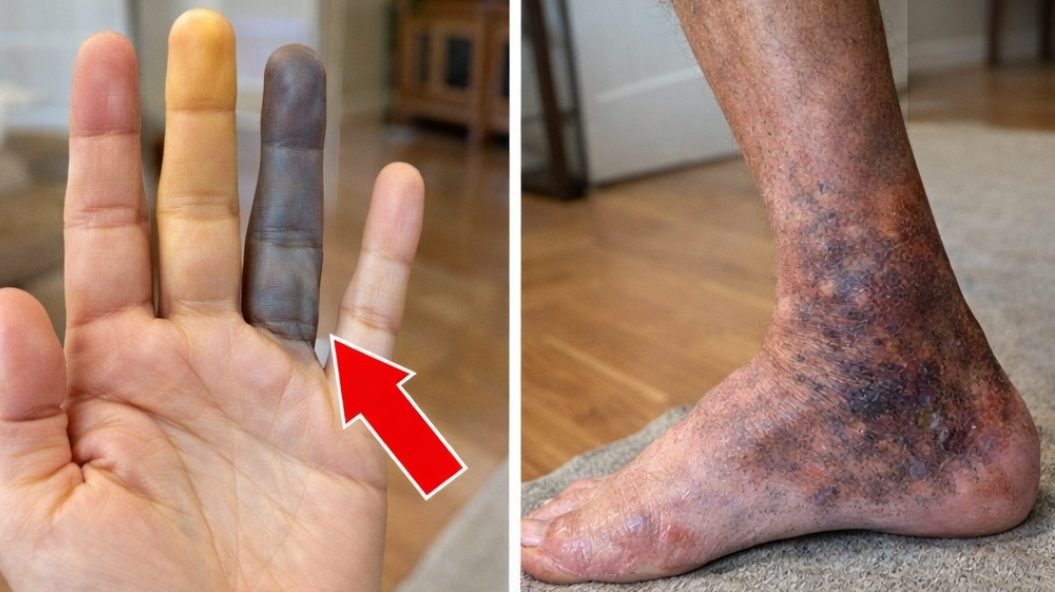
Blocked or narrowed arteries in the legs—often linked to Peripheral Artery Disease—can reduce blood flow and lead to serious complications if left unaddressed. Because symptoms may develop gradually, many people overlook early warning signs.
Recognizing these signals early can help you seek proper care and protect your long-term health.
Leg Pain While Walking (Claudication)
One of the most common signs of Peripheral Artery Disease is pain or cramping in the legs during walking or physical activity. This discomfort usually improves with rest.
It happens because the muscles are not getting enough oxygen-rich blood during movement.
Cold Feet or Lower Legs
If one foot or leg consistently feels colder than the other, it may indicate reduced circulation.
Poor blood flow can make it harder for the body to maintain normal temperature in the affected area.
Numbness or Weakness
Blocked arteries can limit oxygen supply to nerves and muscles, leading to numbness, tingling, or weakness in the legs or feet.
This sensation may come and go or gradually worsen over time.
Slow-Healing Wounds
Cuts, sores, or blisters on the feet or legs that take a long time to heal can be a warning sign.
Healthy blood flow is essential for tissue repair. When circulation is reduced, healing becomes slower and less effective.
Skin Color Changes
The skin on the legs or feet may appear pale, bluish, or even reddish in some cases.
These color changes can signal that blood flow is not reaching the tissues properly.
Hair Loss or Slower Hair Growth
Reduced circulation can affect hair follicles, leading to thinning hair or slower hair growth on the legs.
This is often a subtle sign that many people overlook.
Weak or Absent Pulse in the Feet
A weak or difficult-to-detect pulse in the feet can indicate reduced blood flow.
Healthcare professionals often check this as part of a circulation assessment.
When to Take These Signs Seriously
While these symptoms can have different causes, experiencing several of them together may point to Peripheral Artery Disease.
Risk factors include smoking, diabetes, high blood pressure, high cholesterol, and aging.
If you notice persistent symptoms, it is important to consult a healthcare professional for proper evaluation.
Supporting Healthy Circulation
Healthy lifestyle habits can help support circulation and reduce risk:
Regular physical activity, such as walking
Eating a balanced diet rich in fruits, vegetables, and whole grains
Managing blood sugar, blood pressure, and cholesterol levels
Avoiding smoking
These steps can contribute to better vascular health over time.
Don’t Ignore the Silent Signals
Blocked arteries in the legs and feet can develop quietly but may lead to serious complications if ignored.
Recognizing early warning signs and taking action can make a significant difference in maintaining mobility and overall health.
Sometimes, paying attention to small changes in your body is the first step toward preventing bigger problems.