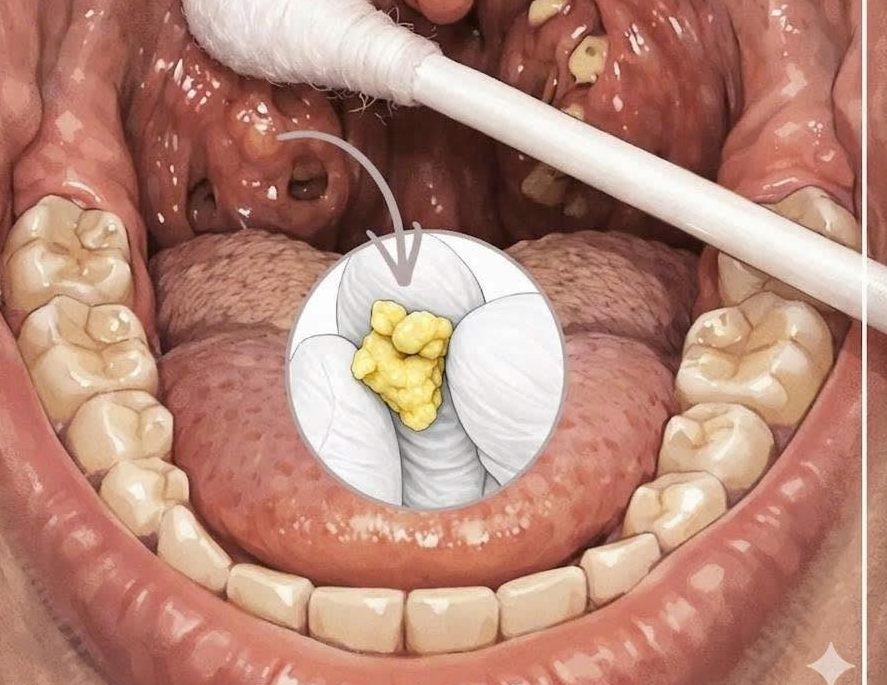
Persistent bad breath can be frustrating, especially when brushing and mouthwash don’t seem to solve the problem. One often-overlooked cause is tonsil stones—small, hardened deposits that form in the tonsils and can contribute to unpleasant odors.
Understanding what tonsil stones are and how they develop can help you manage them more effectively and improve overall oral freshness.
What Are Tonsil Stones?
Tonsil stones, also known as tonsilloliths, are small lumps that form in the crevices (crypts) of the tonsils. The tonsils are located at the back of the throat and play a role in the immune system by helping trap bacteria and other particles.
Over time, debris such as food particles, dead cells, and mucus can become trapped in these tiny pockets. When this material hardens, it forms tonsil stones.
Why They Cause Bad Breath
One of the main reasons tonsil stones are linked to bad breath is the presence of bacteria. These bacteria break down trapped debris and release sulfur compounds, which are responsible for the unpleasant smell.
Even small tonsil stones can produce a strong odor, making them a hidden cause of chronic bad breath that may not improve with regular brushing alone.
Common Signs of Tonsil Stones
Tonsil stones are not always visible, but they can cause noticeable symptoms.
Some people experience a persistent bad taste in the mouth or a feeling of something stuck in the throat. Others may notice small white or yellowish lumps at the back of the throat.
Additional symptoms can include mild throat discomfort, difficulty swallowing, or ear pain due to shared nerve pathways.
However, in many cases, tonsil stones cause no pain and are only discovered when investigating bad breath.
What Contributes to Their Formation
Several factors may increase the likelihood of developing tonsil stones.
Poor oral hygiene can allow more debris and bacteria to accumulate in the mouth. Chronic sinus issues or postnasal drip may also contribute by increasing mucus buildup.
People with larger tonsil crypts are naturally more prone to forming tonsil stones because there is more space for debris to collect.
Dry mouth can also play a role, as saliva helps wash away particles and bacteria.
Ways to Manage Tonsil Stones
Improving oral hygiene is one of the most effective ways to manage tonsil stones. Brushing the teeth and tongue regularly and flossing daily can help reduce the buildup of bacteria.
Gargling with warm salt water may help dislodge small stones and reduce bacteria in the throat.
Staying hydrated is also important, as it supports saliva production and helps keep the mouth clean.
Some people gently remove visible stones using a cotton swab or water irrigator, but care should be taken to avoid irritation.
When to Seek Medical Advice
If tonsil stones become large, painful, or frequently recurring, it is best to consult a healthcare professional.
Doctors can safely remove stubborn stones and may recommend additional treatments if needed. In rare cases of persistent issues, further medical options may be considered.
A Hidden but Manageable Cause
Tonsil stones are a common yet often unnoticed cause of bad breath. While they can be unpleasant, they are usually harmless and manageable with proper care.
By maintaining good oral hygiene and understanding how these stones form, it is possible to reduce their occurrence and enjoy fresher breath.
Sometimes, solving a frustrating problem starts with identifying the hidden cause—and tonsil stones are a perfect example of that.