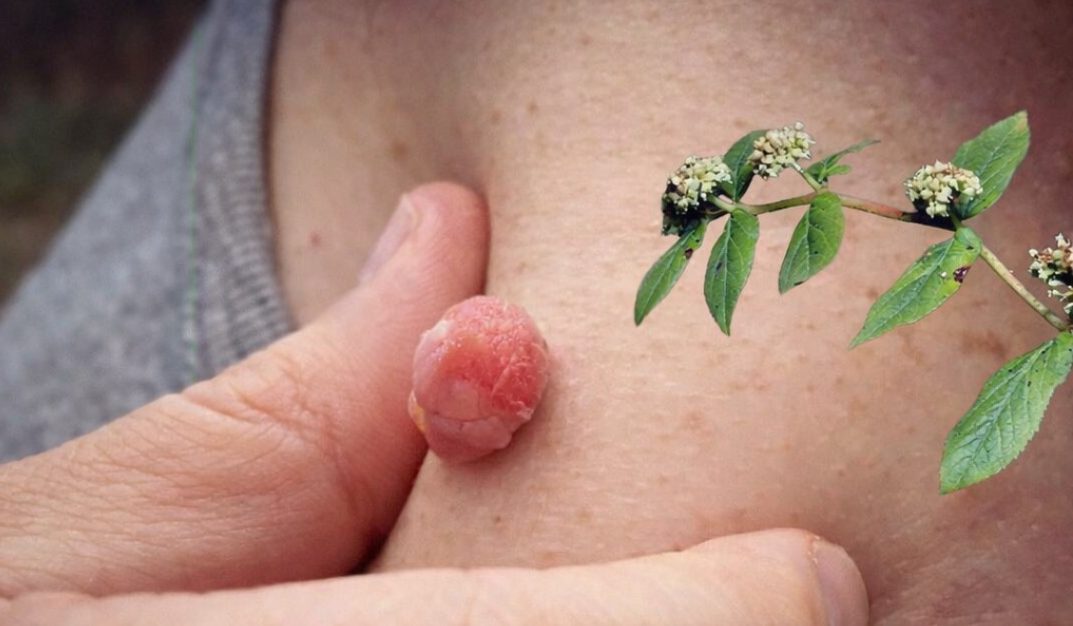
Warts are a common skin concern caused by certain strains of the human papillomavirus (HPV). They often appear on the hands, feet, or other areas of the body and can sometimes be difficult to get rid of. While medical treatments are available, many people explore natural options to help manage stubborn warts at home.
One traditional remedy that continues to attract attention is the sap of the greater celandine. This wild plant has been used in folk practices for generations, especially for minor skin concerns.
What Makes This Plant Interesting
The sap of greater celandine is a bright yellow-orange liquid found in its stems and leaves. In traditional use, this sap has been applied directly to warts with the belief that it may help dry them out over time.
The plant contains natural compounds, including alkaloids, which are thought to have antimicrobial and skin-active properties. These compounds are believed to contribute to its long-standing use in natural remedies.
How It’s Traditionally Used
In traditional practices, a small amount of fresh sap is applied directly to the wart.
The process usually involves:
- Breaking a stem to release the sap
- Dabbing a tiny amount onto the wart
- Allowing it to dry naturally
This may be repeated once or twice daily over time. The idea is that consistent application may gradually dry the wart and support its natural removal.
It’s important to apply the sap only to the affected area and avoid surrounding healthy skin.
Why Some People Try This Approach
Many people are drawn to plant-based remedies because they are simple and accessible. Natural sap like that from greater celandine is often used by those looking for alternatives to over-the-counter treatments.
Some individuals report that it helps reduce the appearance of warts when used consistently, although results can vary.
What to Keep in Mind
While traditional remedies can be appealing, they are not always suitable for everyone.
The sap of greater celandine can be strong and may cause skin irritation in some people. It should never be used on sensitive areas, open wounds, or large sections of skin.
Warts that change in appearance, bleed, or do not improve should be evaluated by a healthcare professional.
A Balanced Perspective
Natural remedies like plant sap have been part of traditional practices for generations. While some people find them helpful, they should be used carefully and with realistic expectations.
For persistent or painful warts, medical treatments such as topical solutions or professional removal may be more effective.
Exploring natural options can be part of a broader approach to skin care—but safety and proper care should always come first.