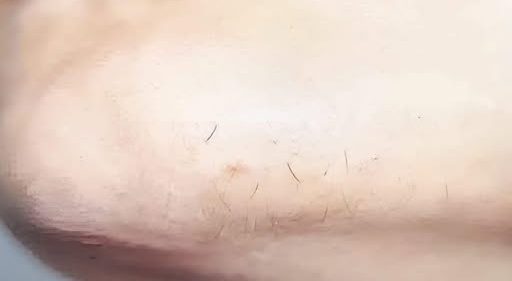
Chin hair in women is more common than many people think. While a few stray hairs are usually harmless, excessive or sudden growth can sometimes signal underlying health conditions. Understanding the causes behind chin hair can help you determine whether it’s simply a natural variation or something that requires medical attention.
What Causes Chin Hair in Women?
Chin hair growth is primarily influenced by hormones, especially androgens, which are often referred to as “male hormones.” Women naturally produce small amounts of these hormones, but when levels increase or the body becomes more sensitive to them, visible facial hair can develop.
Genetics also play a significant role. If women in your family tend to have more facial hair, you are more likely to experience the same.
Hormonal Imbalance and Chin Hair
One of the most common causes of noticeable chin hair is hormonal imbalance. Conditions that affect hormone levels can lead to excessive hair growth, also known as hirsutism.
Polycystic Ovary Syndrome (PCOS) is a leading cause. Women with PCOS often experience irregular periods, acne, weight gain, and increased facial or body hair. Elevated androgen levels are responsible for these symptoms.
Thyroid disorders may also contribute. When the thyroid gland is not functioning properly, it can disrupt hormone balance, indirectly affecting hair growth patterns.
Aging and Natural Changes
As women age, especially during menopause, estrogen levels decrease while androgen levels remain relatively stable. This shift can result in the appearance of coarse chin hairs.
This type of hair growth is usually gradual and considered a normal part of aging. However, sudden or excessive growth should still be evaluated.
Medications and Their Effects
Certain medications can trigger increased hair growth as a side effect. These may include:
- Hormonal treatments
- Steroids
- Some medications for epilepsy or high blood pressure
If you notice changes after starting a new medication, it’s worth discussing with a healthcare provider.
When Chin Hair Could Signal a Health Issue
While occasional chin hairs are normal, there are situations where they may indicate a deeper problem:
- Rapid increase in hair growth
- Thick, dark hair appearing suddenly
- Accompanied symptoms like irregular periods or severe acne
These signs may suggest conditions such as PCOS, adrenal gland disorders, or other hormonal imbalances that require medical evaluation.
Lifestyle Factors and Chin Hair
Lifestyle can also influence hormone levels and, in turn, hair growth. Poor diet, high stress, and lack of physical activity may contribute to hormonal disruptions.
Maintaining a balanced diet, managing stress, and exercising regularly can support overall hormonal health and may help reduce unwanted hair growth.
Safe Ways to Manage Chin Hair
There are several safe and effective methods to remove or manage chin hair:
- Tweezing or threading for small areas
- Waxing for longer-lasting results
- Laser hair removal for more permanent reduction
- Prescription creams that slow hair growth
Choosing the right method depends on your skin type, hair thickness, and personal preference.
When to See a Doctor
If chin hair growth becomes excessive, sudden, or is accompanied by other symptoms, it’s important to seek medical advice. Early diagnosis of hormonal conditions can prevent complications and improve overall health.
A doctor may recommend blood tests or imaging to identify the root cause and suggest appropriate treatment options.
Final Thoughts
Chin hair in women is often harmless and part of natural hormonal variation. However, in some cases, it can provide important clues about your health. Paying attention to changes in your body and seeking guidance when necessary can help you stay informed and in control of your well-being.